Baking soda
Baking soda is sodium bicarbonate, a strong leavening that needs an acid to work. In the UK it is bicarbonate of soda, in Ireland bread soda.
Also called Bicarbonate of soda, Bicarb, Bread soda, Sodium bicarbonate, Bikarbonat, Natron.
Baking soda is sodium bicarbonate, a fine white powder that makes baked goods rise. It is a base, so it reacts with an acid in the recipe, such as buttermilk, yogurt, lemon juice, brown sugar, honey or natural cocoa, and gives off carbon dioxide. It is about three to four times as strong as baking powder, so recipes use only a little.
Why it works
Without an acid to react with, baking soda only gives off gas when heated, and it leaves a soapy, metallic taste and a yellow color. With the right amount of acid, it is fully used up and leaves almost no taste. It also raises the pH of the dough, which makes cookies spread more and brown more deeply.
How to use it
It goes by several names, all the same product:
- Baking soda in the US and Canada.
- Bicarbonate of soda in the UK, often shortened to bicarb in Australia and New Zealand.
- Bread soda in Ireland, from its use in soda bread.
- Bikarbonat in Sweden and Natron in Germany.
A usual amount is about ½ teaspoon of baking soda for each 240 ml (1 cup) of buttermilk or yogurt in a recipe. Mix it into the dry ingredients so it spreads evenly, and bake soon after the wet and dry parts meet, because the reaction starts at once.
Other uses:
- A pinch in onions as they cook speeds up browning, because it helps the Maillard reaction. It also makes them soft.
- About ½ to 1 teaspoon per liter of water softens dried chickpeas and beans as they soak.
- A pinch in a marinade tenderizes meat for stir-fries, as in velveting.
Substitutes
There is no simple swap. If you only have baking powder, use about three times the amount, and expect a slightly different texture and taste.
How to store it
Keep it dry with the lid tight. It lasts a long time, but test it by adding a pinch to a spoonful of vinegar. It should fizz strongly.
Common mistakes
- Mixing up baking soda and baking powder. They are not the same strength and do not work the same way.
- Leaving lumps. Sift it with the flour, or a lump can leave a bitter pocket.
- Using too much. Cakes taste soapy and turn dark.
In recipes
You will see "1 tsp baking soda", "½ tsp bicarbonate of soda" and "1 krm bikarbonat".
Recipes that use it
304 recipes from the sites we collect.

Classic Peanut Butter Cookies
www.onceuponachef.com · 35 min

Peach Cobbler
www.onceuponachef.com · 70 min

Blueberry Cobbler
www.onceuponachef.com · 75 min

Cheddar Bay Biscuits
www.onceuponachef.com · 40 min

Oatmeal Cookies
www.onceuponachef.com · 45 min
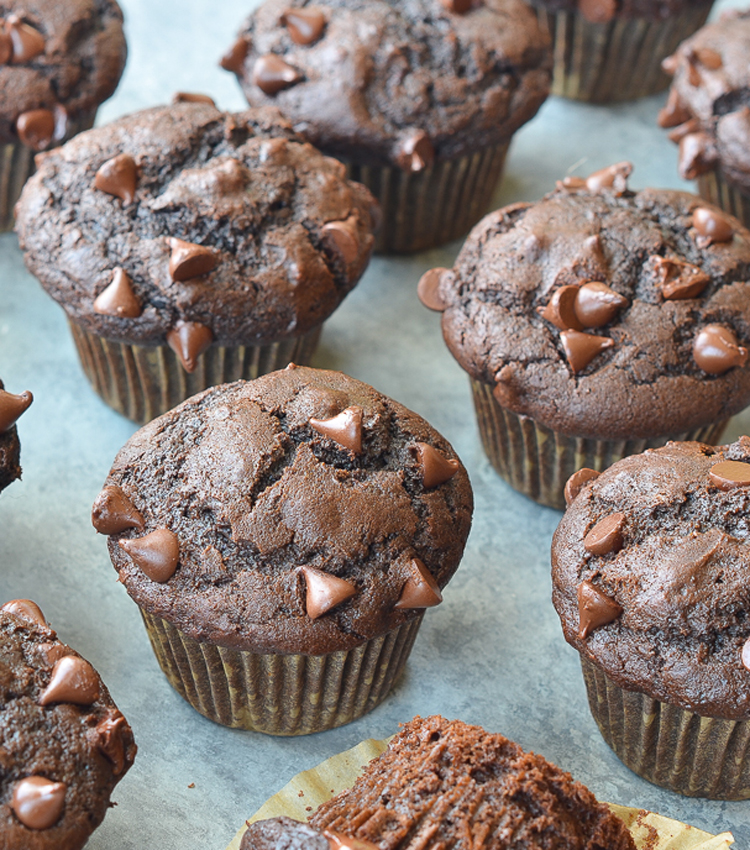
Chocolate Muffins
www.onceuponachef.com · 40 min

New York Crumb Cake
www.onceuponachef.com · 70 min

Lemon Poppy Seed Muffins
www.onceuponachef.com · 45 min

Chocolate Chip Muffins
www.onceuponachef.com · 35 min

Donut Muffins
www.onceuponachef.com · 45 min

Kentucky Butter Cake
www.onceuponachef.com · 80 min

Shepherd's Pie
www.onceuponachef.com · 120 min
Related terms
- Baking powderBaking powder is a mix of baking soda, a dry acid and starch that makes cakes and muffins rise. Here is how much to use and how to test if it is fresh.
- LeaveningLeavening is what makes dough and batter rise, such as yeast, baking soda, baking powder, steam or whipped air. Here is how each works and when to use it.
- ButtermilkButtermilk is a tangy, cultured low-fat milk used in pancakes, scones, biscuits and fried chicken. Make a quick swap with milk and lemon juice.
- Maillard reactionThe Maillard reaction is the browning of protein and sugar under heat. It gives seared steak, bread crust, roasted coffee and fried onions their flavor.
- AcidAcid is the sour taste from lemon, vinegar, wine, tomatoes and yogurt. A splash at the end brightens a flat dish and balances salt, fat and sweetness.
- HjorthornssaltHjorthornssalt is baker's ammonia, a leavening that makes Swedish cookies very crisp and light. How to use it, and what to use instead abroad.