Blanch
Blanching is cooking food for a short time in boiling water, then stopping the cooking in ice water. It sets color and loosens skins.
Also called Blanching, Blanched.
Blanching means cooking food for a short time in boiling water and then plunging it into ice water. The quick heat sets the bright color of green vegetables, softens them slightly, and loosens the skins of tomatoes, peaches and almonds. The ice bath stops the cooking straight away. Blanching is also the step before freezing most vegetables.
How to do it
- Bring a large pot of salted water to a rolling boil. Use about 4 liters (1 gallon) per 500 g (1 lb) of vegetables so the water stays boiling.
- Fill a large bowl with ice and cold water.
- Add the food to the boiling water in small batches.
- Cook for the time it needs: 15 to 30 seconds for ripe tomatoes, 30 to 60 seconds for peaches, 1 to 2 minutes for spinach and peas, 2 to 3 minutes for green beans and broccoli florets.
- Lift the food out with a slotted spoon or spider and drop it straight into the ice water. This is called shocking.
- Leave it until cold, about as long as it cooked, then drain and dry it well.
How to tell it is done
Green vegetables turn a vivid, bright green and are crisp-tender: a knife goes in with a little resistance. Tomato and peach skins split or wrinkle and slip off when you pinch them.
Why it works
Short heat drives out the air trapped in the surface of green vegetables, so their color looks brighter. It also stops the enzymes that make frozen vegetables lose color, flavor and texture over time, which is why you blanch before you freeze. The ice bath keeps the inside from going on cooking.
Common mistakes
- Too little water. Adding the food stops the boil and the vegetables stew.
- Overcooking. Green vegetables turn olive and soft.
- Skipping the ice bath. The food keeps cooking from its own heat.
- Leaving food in the ice water too long. It gets waterlogged.
- Not drying the food before freezing or dressing it.
In recipes
"Blanch the almonds" means boil them for about a minute so the skins slide off. "Blanch and refresh" is the British way to say blanch and shock. Some recipes use blanch for a short cook before a second step, which is closer to parboiling.
Recipes that use this technique
15 recipes from the sites we collect.

Asparagus Egg and Bacon Salad with Dijon Vinaigrette
www.skinnytaste.com · 20 min

Creamy Orzo with Asparagus and Peas
www.skinnytaste.com · 45 min

Pea Salad Recipe
www.skinnytaste.com · 28 min

Bacon Wrapped Green Bean Bundles
www.skinnytaste.com · 30 min

Slow Cooker Beef Meatballs with Broccoli Rabe
www.skinnytaste.com · 185 min
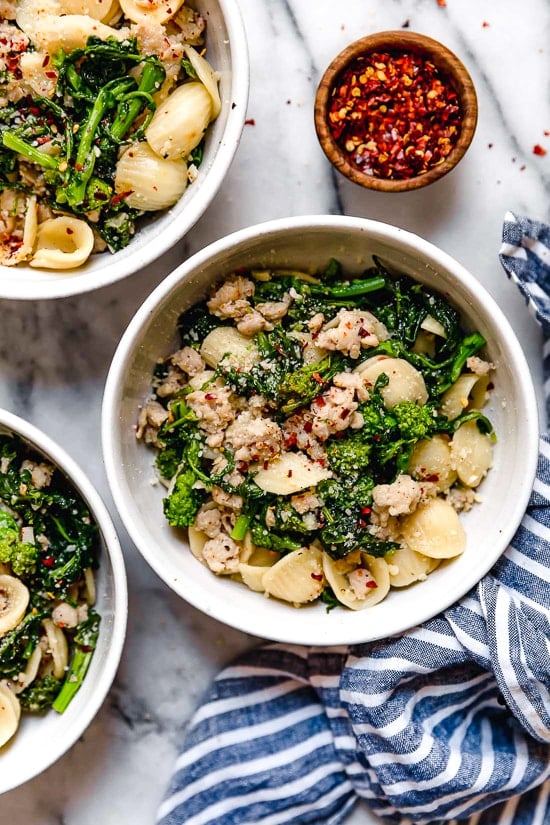
Orecchiette with Sausage and Broccoli Rabe
www.skinnytaste.com · 30 min

Broccoli and Cheese Tots
www.skinnytaste.com
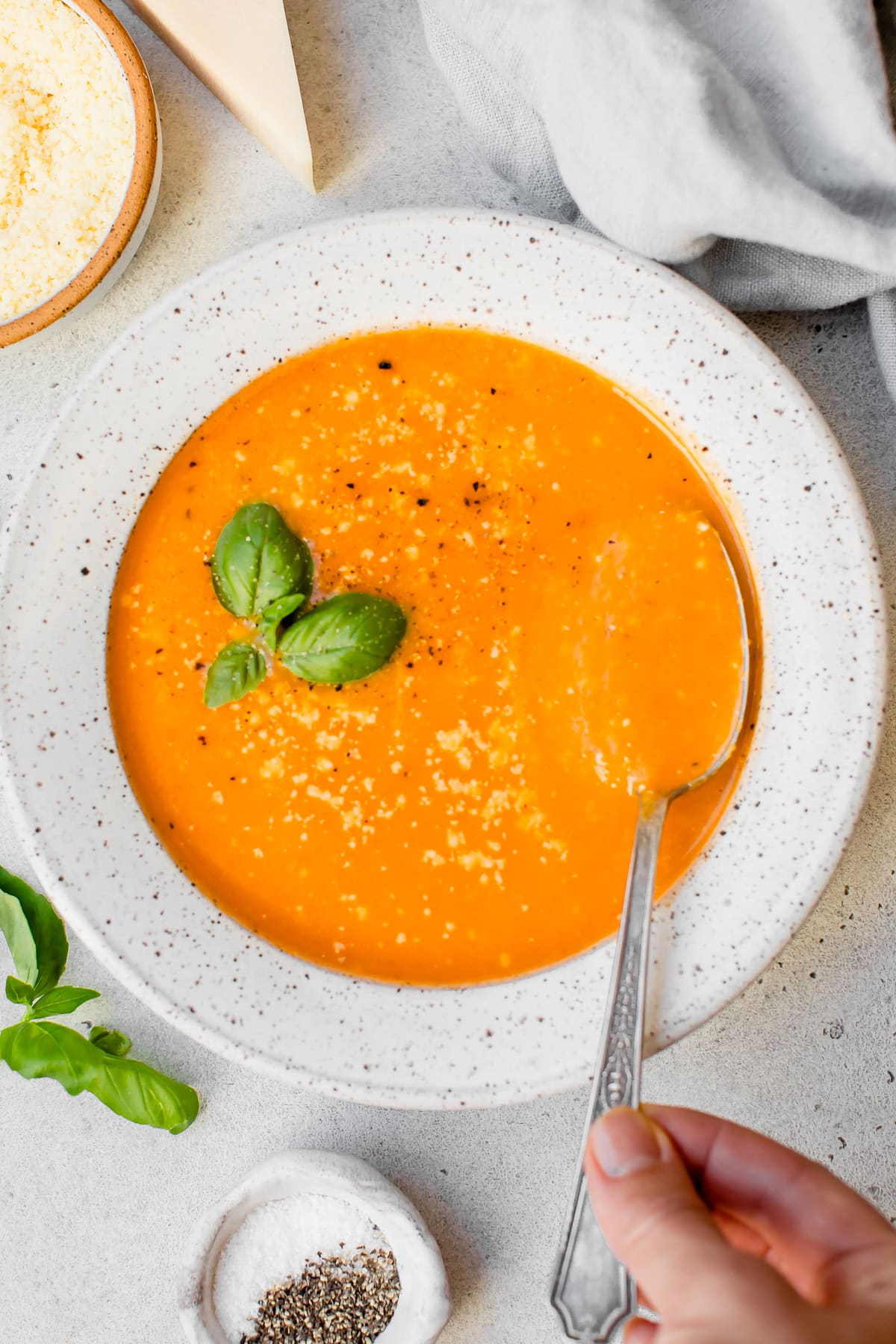
Tomato Bisque
www.skinnytaste.com · 70 min

Homemade Tomato Sauce
www.onceuponachef.com · 150 min

Spiralized Shanghai Beef and Broccoli
www.skinnytaste.com · 150 min

Roasted Broccoli Rabe with Garlic
www.skinnytaste.com · 30 min

30 Minute Healthy Broccoli Cheese Rice
pinchofyum.com · 35 min
Related terms
- ShockTo shock is to plunge just-cooked food into ice water so it stops cooking at once. It keeps vegetables bright and crisp and makes eggs easier to peel.
- ParboilParboiling partly cooks food in boiling water so it can finish later by roasting, frying or grilling. It is the secret to crisp roast potatoes.
- Blanch and freezeBlanch and freeze means boiling vegetables briefly, chilling them in ice water, then freezing them. It keeps their color, flavor and texture for months.
- Rolling boilA rolling boil is water boiling so hard that large bubbles churn the whole surface and do not stop when you stir. It is what pasta and blanching need.
- Crisp-tenderCrisp-tender vegetables are cooked until hot and bright but still have some bite in the middle. Here are the times for common vegetables and how to test.