Boil
Boiling cooks food in water heated to 100°C (212°F) at sea level, where big bubbles break the surface. It is used for pasta, potatoes, eggs and grains.
Also called Boiling, Boiled.
To boil is to cook food in liquid heated until it bubbles hard, which for water is 100°C (212°F) at sea level. At higher altitudes water boils at a lower temperature, so food takes longer. Boiling is used for pasta, potatoes, eggs, rice, grains and some vegetables. Most other foods, including meat and stews, cook better at a gentler simmer.
How to do it
- Use a pot large enough that the food is fully covered with room to spare.
- Cover the pot with a lid to bring it to a boil faster.
- Salt the water if the recipe says so. For pasta, about 10 g per liter (2 teaspoons per quart) is common.
- Add the food once the water is at a rolling boil. Potatoes and eggs are the exception: start them in cold water so they heat evenly.
- Stir in the first minute so pasta and grains do not stick.
- Adjust the heat to keep the boil steady but not frothing over.
How to tell it is done
The water has big bubbles that keep breaking the surface, even when stirred. For the food: pasta is al dente, potatoes are tender when pierced with a knife, and eggs are timed from when the water comes to a boil.
Why it works
Water cannot get hotter than its boiling point in an open pot, so boiling gives a steady, known temperature. The moving bubbles keep the water circulating, which spreads heat evenly around small pieces such as pasta.
Common mistakes
- Boiling meat hard. The proteins tighten and the meat turns tough and dry. Simmer it.
- A pot that is too small. The water stops boiling when the food goes in.
- Adding oil to pasta water. It does not stop sticking. Stirring does.
- Starting potatoes in boiling water. The outside falls apart before the middle is cooked.
- Leaving the lid on with starchy food. It foams over. Tilt the lid or take it off.
In recipes
"Bring to a boil, then reduce to a simmer" is the most common instruction for soups, sauces and stews. "Boil until reduced" means boil uncovered so water evaporates.
Recipes that use this technique
745 recipes from the sites we collect.

Broccoli Purée
www.onceuponachef.com

Aloha Teriyaki Shrimp Burgers
www.skinnytaste.com · 105 min

Broccoli & Gruyère Soup with Homemade Croutons
www.onceuponachef.com · 45 min

Shrimp Cocktail
www.onceuponachef.com · 25 min

Broccoli Cheese and Potato Soup
www.skinnytaste.com · 30 min

Macaroni and Cheese Soup with Broccoli
www.skinnytaste.com · 35 min

Brussels Sprouts Carbonara
www.skinnytaste.com · 25 min

Baby Pasta Shells with Asparagus and Marinara Sauce
www.skinnytaste.com · 15 min

Quinoa Pilaf with Shiitake Mushrooms, Carrots & Pecans
www.onceuponachef.com · 35 min
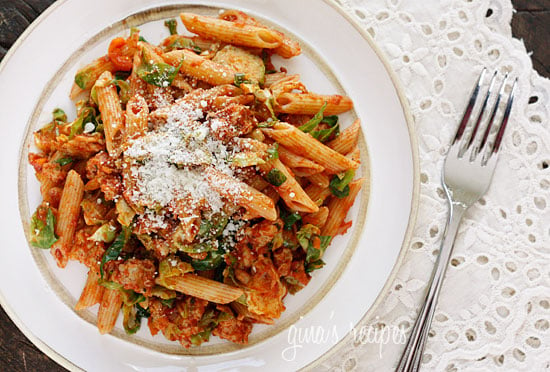
Penne Pasta with Brussels Sprouts In a Ragu
www.skinnytaste.com · 70 min

Golden Rice Pilaf
www.onceuponachef.com · 35 min

Israeli Couscous Salad with Dried Fruit
www.onceuponachef.com · 30 min
Related terms
- Rolling boilA rolling boil is water boiling so hard that large bubbles churn the whole surface and do not stop when you stir. It is what pasta and blanching need.
- SimmerA simmer is liquid kept just below boiling, with small, gentle bubbles rising to the surface. It cooks soups, stews and sauces without toughening them.
- Bring to a boilTo bring to a boil is to heat a liquid until large bubbles rise and break across the whole surface. Here is how to tell, and why recipes then turn it down.
- Salted pasta waterSalted pasta water seasons pasta from the inside as it cooks, and its starch helps sauce cling. Here is how much salt to add and how to use it.
- Al denteAl dente is Italian for to the tooth. It describes pasta or vegetables cooked until tender but still firm in the center, with a slight bite when you chew.
- ParboilParboiling partly cooks food in boiling water so it can finish later by roasting, frying or grilling. It is the secret to crisp roast potatoes.