Buttermilk
Buttermilk is a tangy, cultured low-fat milk used in pancakes, scones, biscuits and fried chicken. Make a quick swap with milk and lemon juice.
Also called Cultured buttermilk, Kärnmjölk.
Buttermilk was once the thin liquid left after churning cream into butter. The buttermilk sold today is different: low-fat milk cultured with lactic acid bacteria, which makes it thick, pourable and sour. It tastes tangy, like a thin yogurt. In Swedish shops it is kärnmjölk.
Why it works
Buttermilk is acidic. In baking, that acid reacts with baking soda (bicarbonate of soda in the UK) and releases carbon dioxide, which lifts pancakes, soda bread, scones and American biscuits. The acid also softens gluten, so the crumb is tender. In a marinade for fried chicken, the mild acid and calcium tenderize the meat without turning it mushy the way lemon juice can.
Substitutes
- Milk and acid. Stir 1 tablespoon of lemon juice or white vinegar into 250 ml (1 cup) of milk and leave it for 5 to 10 minutes until it thickens slightly and looks curdled. This is the standard swap for baking.
- Yogurt. Thin plain yogurt with milk, about 3 parts yogurt to 1 part milk, until it pours.
- Cultured milks. Swedish filmjölk and plain kefir behave almost the same.
- Sour cream. Thinned with milk, it works but adds more fat.
If you swap in plain milk without adding acid, the baking soda has nothing to react with, so the bake comes out flat and tastes soapy.
How to store it
Keep buttermilk in the fridge and use it by the date on the carton. It is already sour, so trust your nose: a sharp, cheesy or moldy smell means it has gone off. You can freeze it in measured portions for baking. It separates when thawed, but a quick whisk brings it back.
In recipes
"Buttermilk pancakes", "buttermilk biscuits" and "buttermilk fried chicken" all use the cultured kind. If a recipe asks for "buttermilk or soured milk", the milk and lemon swap is fine. Buttermilk is a dairy product, so it is not suitable for people who avoid milk. For a dairy-free version, use plant milk with lemon juice, though the result is thinner.
Mix buttermilk in gently with the leavening and bake soon after. The reaction starts as soon as the wet and dry ingredients meet.
Recipes that use it
76 recipes from the sites we collect.

Flag Cake
www.onceuponachef.com · 60 min
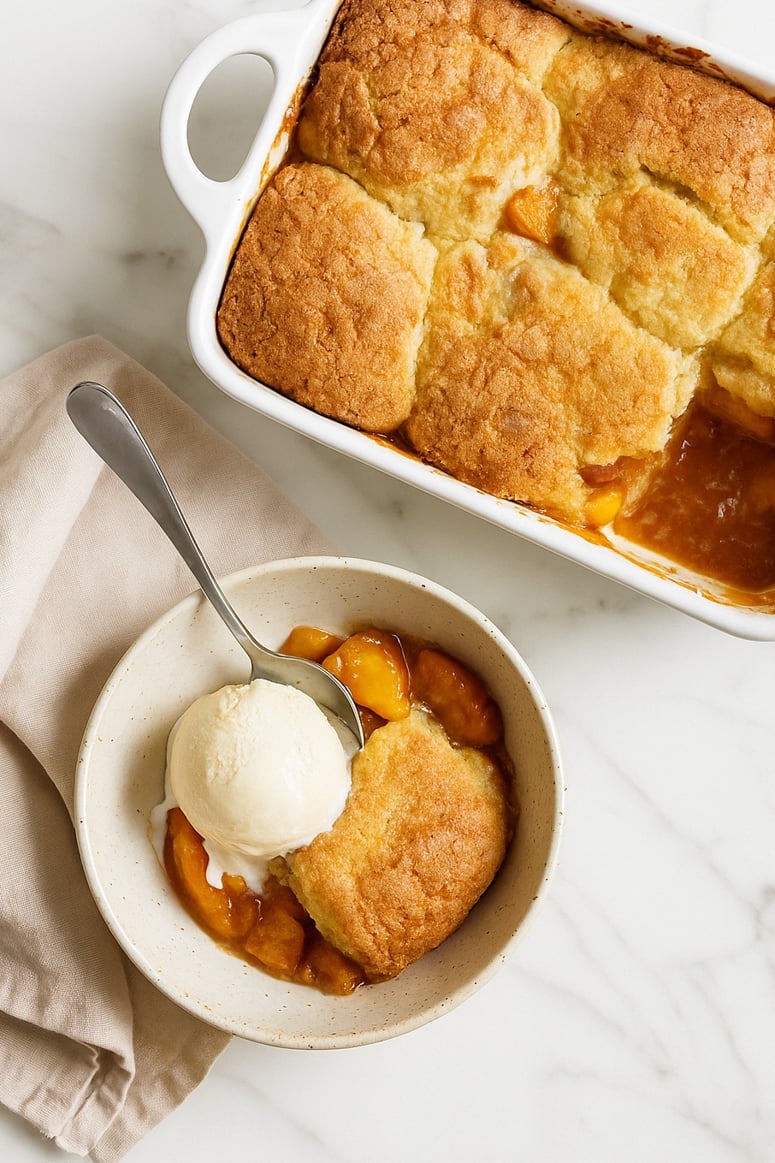
Peach Cobbler
www.onceuponachef.com · 70 min
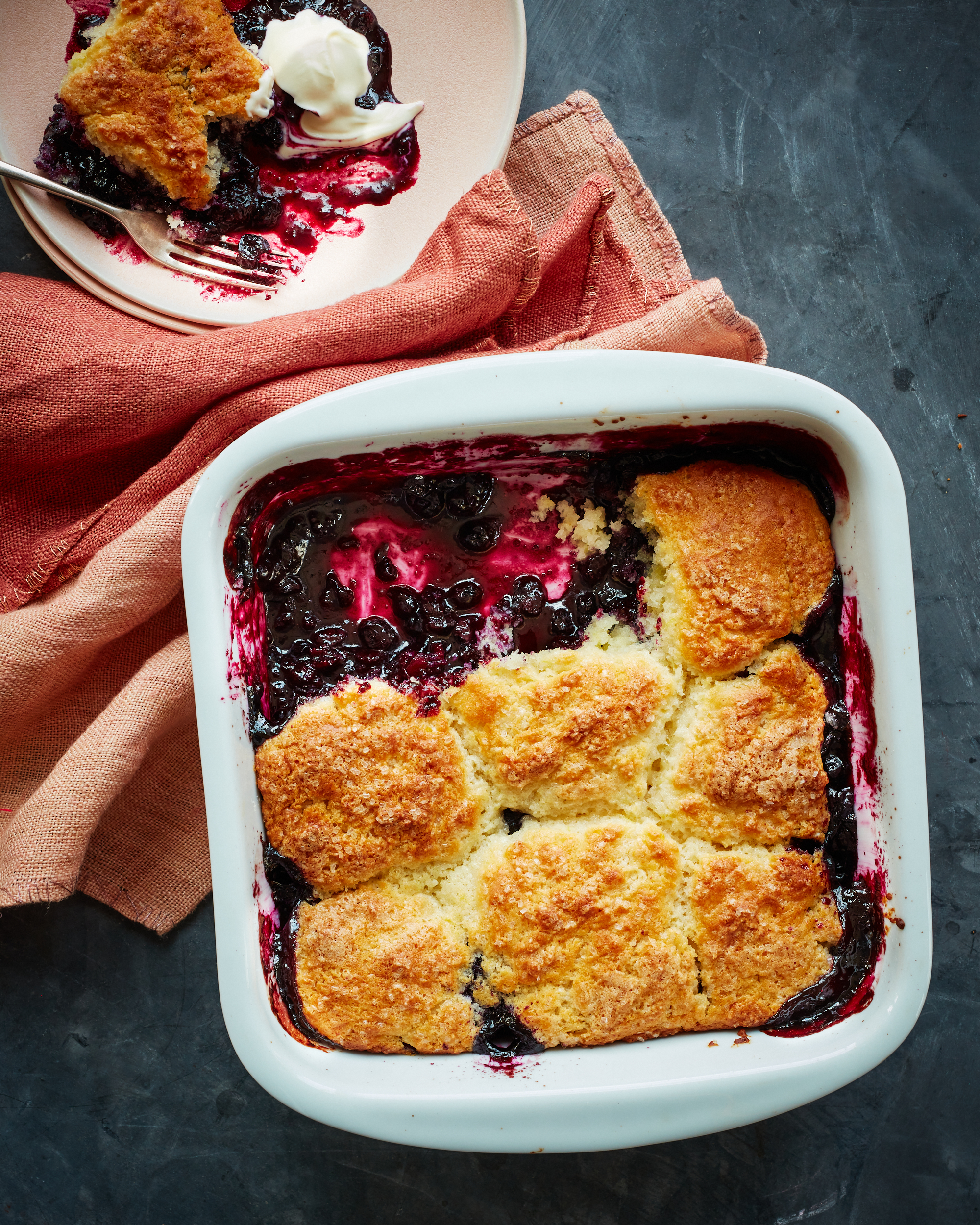
Blueberry Cobbler
www.onceuponachef.com · 75 min

Cheddar Bay Biscuits
www.onceuponachef.com · 40 min

Wedge Salad
www.onceuponachef.com

Kentucky Butter Cake
www.onceuponachef.com · 80 min

Mashed Cauliflower
www.skinnytaste.com · 20 min

Marble Cake
www.onceuponachef.com · 90 min
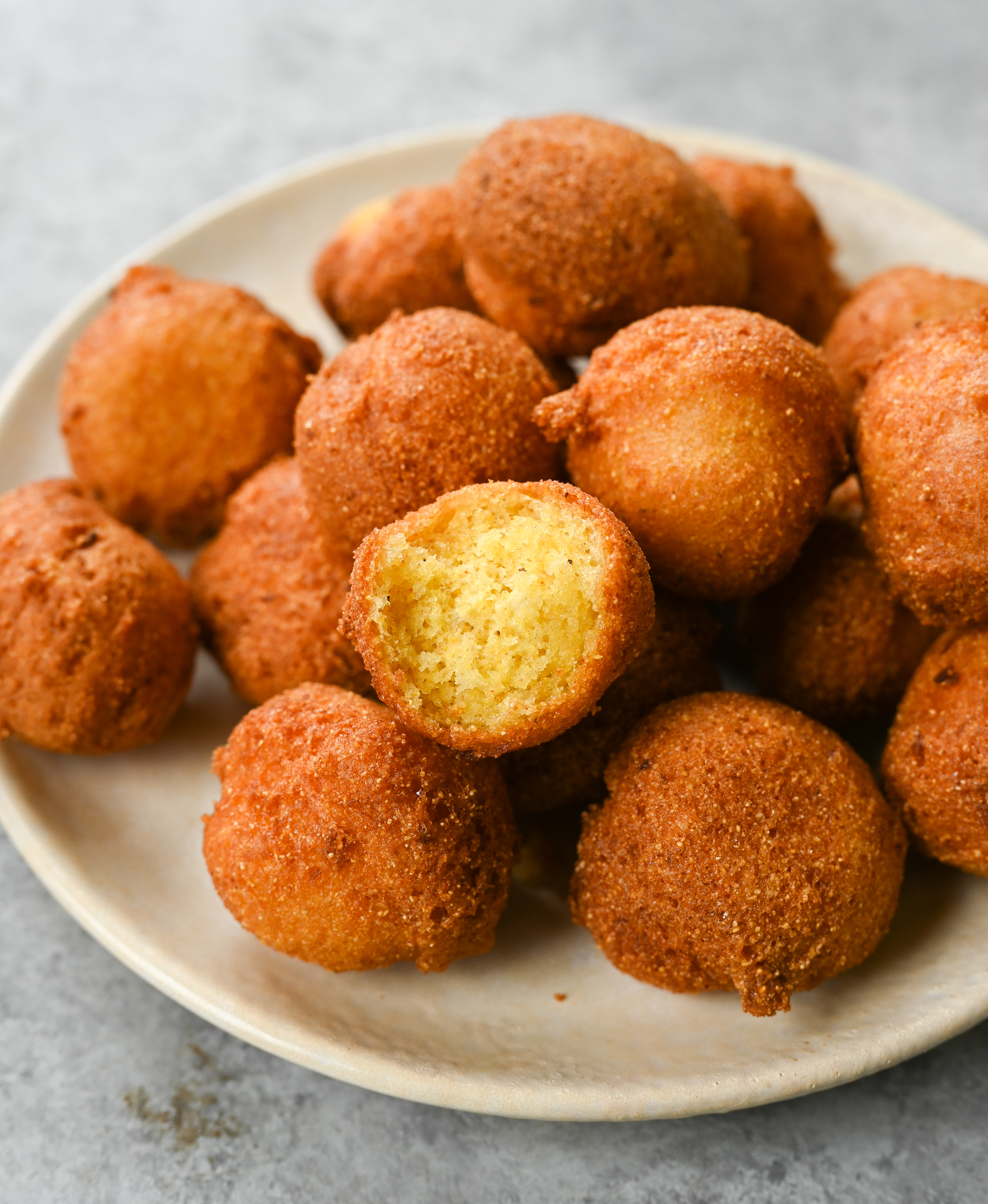
Hush Puppies
www.onceuponachef.com · 25 min
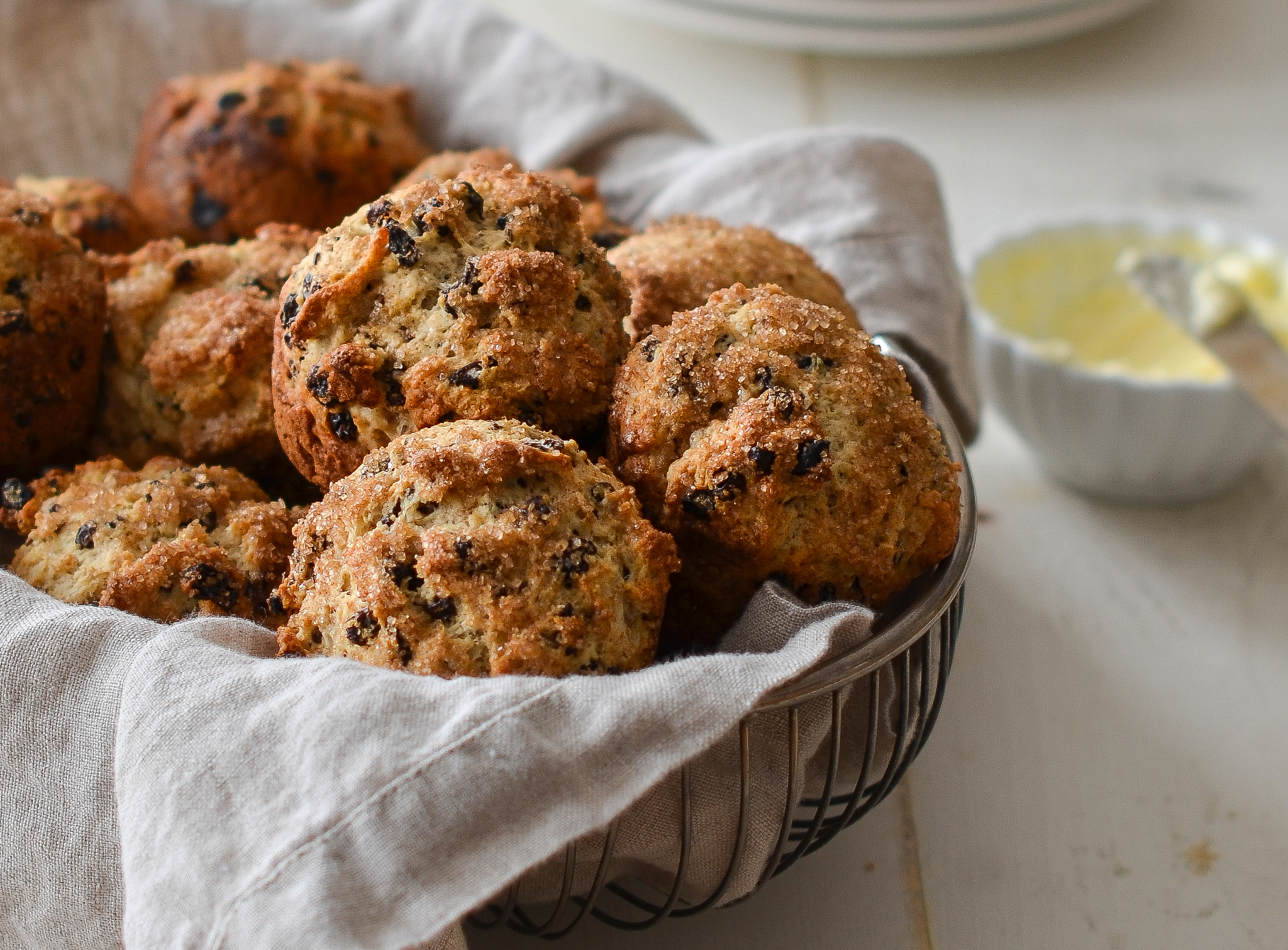
Irish Soda Bread Muffins
www.onceuponachef.com · 35 min
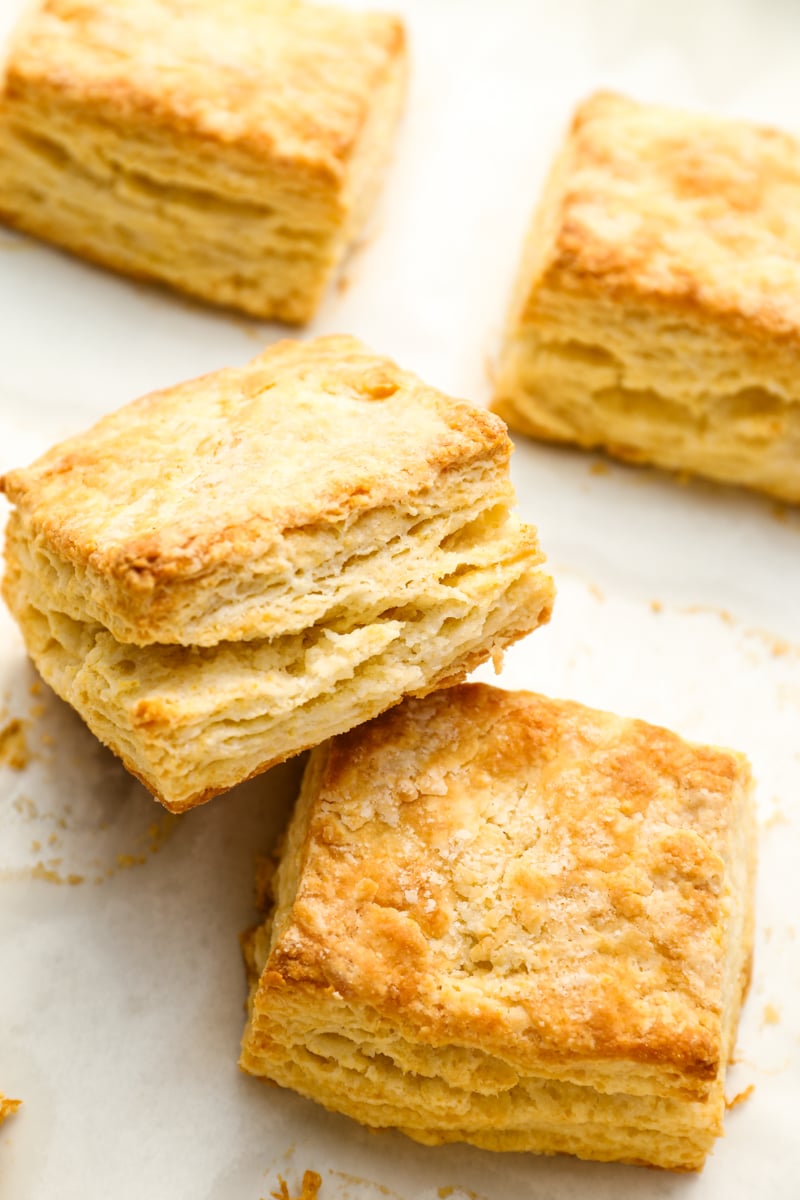
Buttermilk Biscuits
www.onceuponachef.com · 30 min

Summer Corn, Tomato and Avocado Salad with Creamy Buttermilk-Dijon Dressing
www.skinnytaste.com · 10 min
Related terms
- Baking sodaBaking soda is sodium bicarbonate, a strong leavening that needs an acid to work. In the UK it is bicarbonate of soda, in Ireland bread soda.
- FilmjölkFilmjölk is a mild Swedish cultured milk, thinner than yogurt, eaten with muesli. What it tastes like and what to use instead outside Scandinavia.
- MarinateTo marinate is to soak food in a seasoned liquid of acid, oil, salt and aromatics before cooking. Here are safe times and why longer is not always better.
- LeaveningLeavening is what makes dough and batter rise, such as yeast, baking soda, baking powder, steam or whipped air. Here is how each works and when to use it.
- Crème fraîcheCrème fraîche is a thick, tangy cultured cream that does not split when boiled. Use it in sauces, soups and desserts, or make your own at home.