Celery allergy
A celery allergy is a reaction to celery stalks, leaves, seeds or celeriac. It is one of the EU 14 allergens but not a major allergen in the US.
Also called Celeriac allergy.
A celery allergy is a reaction of the immune system to proteins in celery. It covers every part of the plant: the stalks, the leaves, the seeds and the root, which is sold as celeriac (celery root). Reactions range from an itchy mouth to severe reactions, and cooking does not always make celery safe for someone who reacts to it. Only a doctor can diagnose the allergy and tell you what you need to avoid.
Substitutes
- For the flavor base of soups and stews, use more onion and carrot, or leek.
- For crunch in salads, use cucumber, bell pepper or radish.
- For a herbal note, use parsley stems, bay leaf or thyme.
Some people who react to celery also react to related plants such as carrot, fennel, parsley or coriander. Ask your doctor or a dietitian which swaps are safe for you before you rely on any of them.
Common mistakes
- Forgetting celery salt and celery seed. They show up in spice blends, seasoning salts, curry powders, stock cubes and pickling spices.
- Picking the celery out of a finished dish. The proteins stay in the sauce or stock.
- Assuming a US label will warn you. In the US, celery is not a major allergen, so it is not in the "Contains" statement, and celery seed can be covered by the word "spices".
- Trusting a shared pot or board. Celery is chopped constantly in most kitchens, so cross-contamination is easy.
In recipes
Celery is one of the most common background ingredients in cooking. It is part of mirepoix, the Cajun holy trinity and many versions of soffritto. It flavors most homemade and bought stocks and broths. Celeriac is the base of the French salad céleri rémoulade. Celery salt seasons tomato juice drinks and many snack foods.
In the EU and the UK, celery is one of the 14 allergens. Prepacked food must emphasize it in the ingredients list, and restaurants and cafés must be able to tell you whether a dish contains it. Outside Europe, labels may say much less. If you have a celery allergy, read every label each time you buy a product, ask in restaurants, and talk to a doctor or dietitian about a plan for eating out.
Recipes free from it
3721 recipes from the sites we collect.
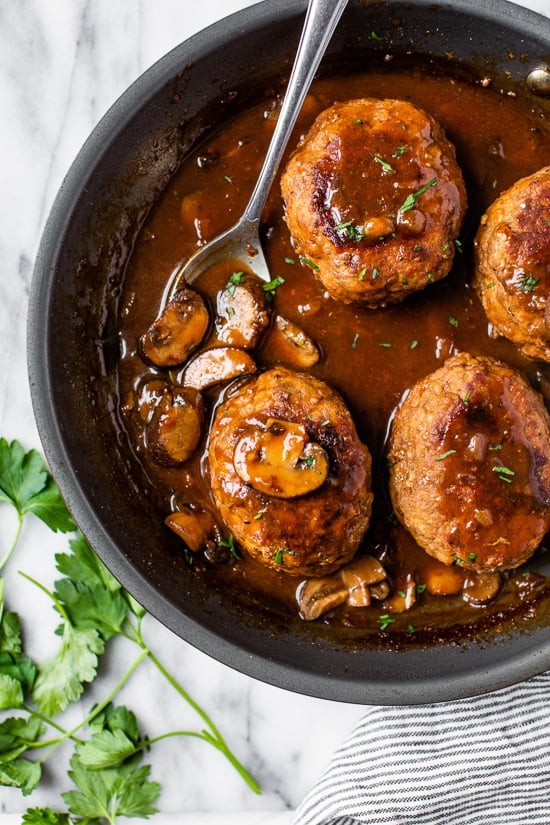
Salisbury Steak with Mushroom Gravy
www.skinnytaste.com · 45 min

Chilled Lobster Salad with Sweet Summer Corn and Tomatoes
www.skinnytaste.com · 15 min
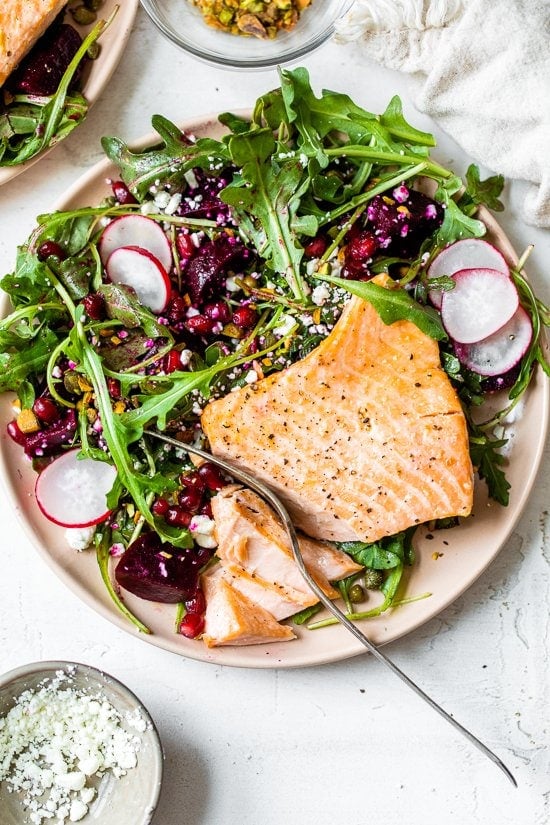
Salmon, Beet, and Arugula Salad with Pistachios and Pomegranates
www.skinnytaste.com · 30 min

Asparagus Egg and Bacon Salad with Dijon Vinaigrette
www.skinnytaste.com · 20 min

Chicken Pasta Primavera Recipe
www.skinnytaste.com · 50 min

Mediterranean Fish en Papillote
www.skinnytaste.com · 45 min

Avocado Quinoa Salad
www.skinnytaste.com · 25 min

Air Fryer Turkey Meatloaf
www.skinnytaste.com · 35 min

Green Curry Noodles
www.skinnytaste.com · 40 min

Peruvian Grilled Chicken Skewers with Avocado Aji Verde Sauce
www.skinnytaste.com · 205 min

Salmon Caesar Salad
www.skinnytaste.com · 30 min

Turkey Meatloaf with Zucchini
www.skinnytaste.com · 70 min
Related terms
- EU 14 allergensThe EU 14 allergens are the foods that EU and UK law says must be emphasized on food labels and declared by restaurants, from gluten to lupin.
- US major allergensThe US major food allergens are nine foods that must be named on US labels, from milk, eggs and peanuts to wheat, soy and, since 2023, sesame.
- Mustard allergyA mustard allergy is a reaction to mustard seeds, powder, oil or prepared mustard. It is one of the EU 14 allergens but not a major allergen in the US.
- MirepoixMirepoix is diced onion, carrot and celery, usually two parts onion to one each of the others. It is the flavor base of French stocks, soups and braises.
- Cross-contaminationCross-contamination is when germs or allergens spread from one food, surface or hand to another. Separate raw meat, and wash hands, boards and knives.