Chop
To chop is to cut food into small pieces of roughly the same size, without the exact shape of a dice. Recipes say roughly, coarsely or finely chopped.
Also called Chopped, Roughly chopped, Coarsely chopped, Finely chopped.
To chop means to cut food into small pieces that are about the same size but not a precise shape. It is the most common cut in home recipes. Chopped pieces can be any shape, as long as they are close enough in size to cook evenly.
How to do it
- Use a sharp chef's knife and a board that does not slide. Put a damp cloth under the board if it moves.
- Cut the food into slices or strips first, then cut across them.
- For herbs and nuts, gather the pile, put your other hand flat on the spine of the knife near the tip, and rock the blade up and down while you move it across the pile.
- Scrape the pieces back into a pile with a bench scraper or the spine of the knife, not the edge, and keep going until they are the size you want.
How to tell it is done
Use these rough sizes as a guide:
- Roughly or coarsely chopped: pieces 1.5 to 2 cm (about 3/4 inch). Good for stocks, roasting trays and anything that will be strained or puréed.
- Chopped: pieces around 1 cm (1/2 inch). Good for soups, stews and sauces.
- Finely chopped: pieces around 3 to 5 mm (1/8 to 1/4 inch). Good for dressings, salsas and fillings.
If the pieces need to be even cubes, the recipe should say dice. If they need to be smaller than finely chopped, it should say mince.
Common mistakes
- Using the knife edge to scrape food across the board. It dulls the blade fast. Flip the knife and use the spine.
- Chopping herbs while they are wet, which turns them into paste.
- Leaving a few large chunks in a pile of small ones. The big pieces stay undercooked.
- Chopping everything at the last minute while the pan burns. Do it before you start, as part of your mise en place.
In recipes
"Roughly chopped onion" means size matters little. "Finely chopped parsley" means small, even bits with no stems. "Chopped tomatoes" in a can means tomatoes cut into chunks in their juice.
Recipes that use this technique
181 recipes from the sites we collect.
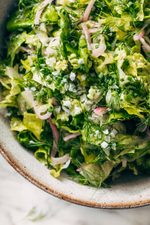
Liz's Bistro Salad
pinchofyum.com · 45 min
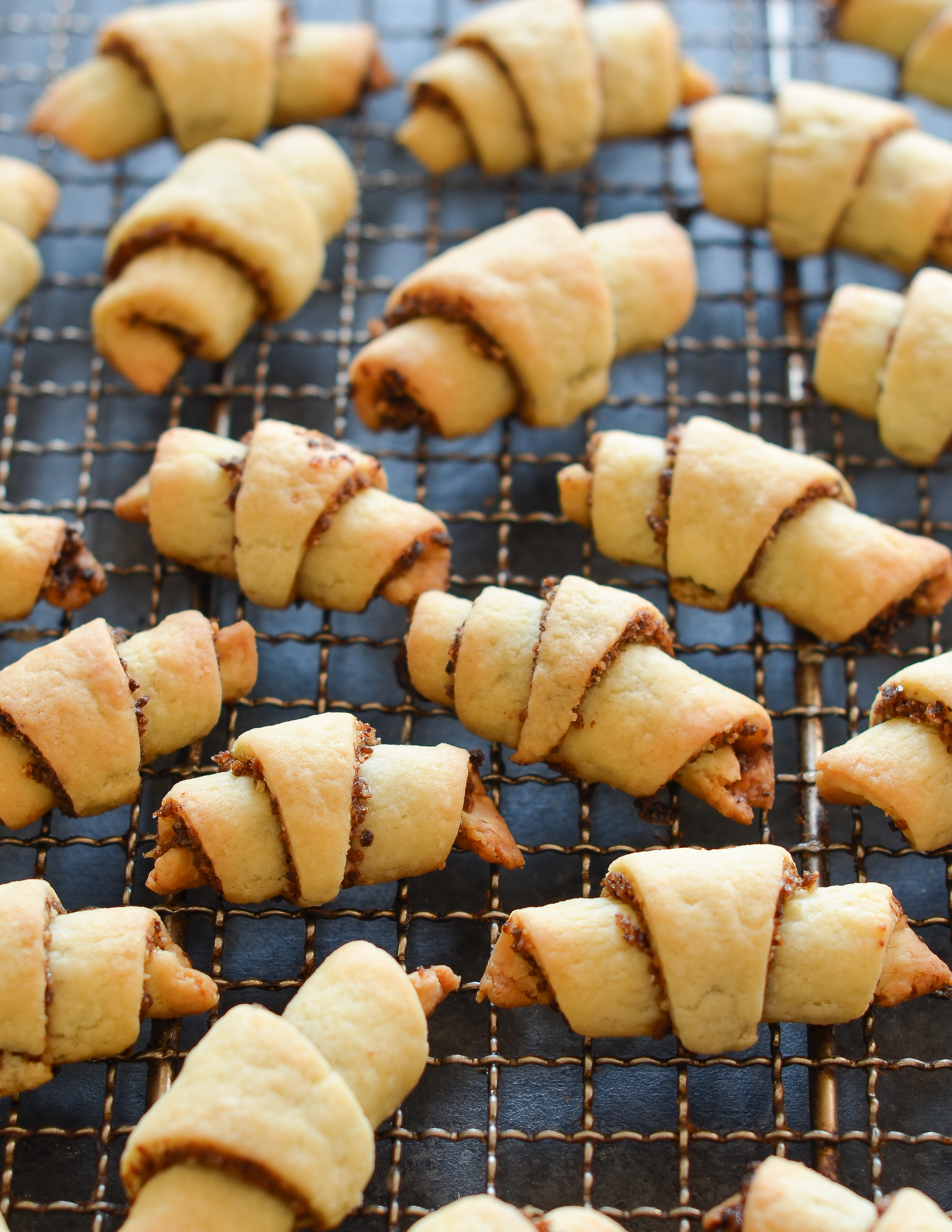
Rugelach
www.onceuponachef.com · 165 min
Healthy Pesto Baked Rigatoni
pinchofyum.com · 40 min

Roasted Sweet Potato Kale and Dried Cherries, Feta & Pepitas
www.skinnytaste.com
5 Minute Single Serving Apple Crisp
pinchofyum.com · 10 min

Easy No-Cook Salsa Recipe
www.skinnytaste.com · 5 min

BLT Macaroni Salad
www.skinnytaste.com · 55 min

Roasted Brussels Sprouts with Bacon, Pecans & Maple Syrup
www.onceuponachef.com · 50 min

English Muffin Baklava
pinchofyum.com · 10 min
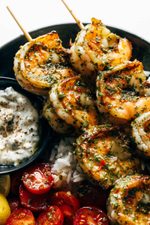
Chimichurri Shrimp with Rice and Tzatziki
pinchofyum.com · 25 min

Broccoli and Cheese Tots
www.skinnytaste.com

Blood Orange Endive Salad
www.skinnytaste.com · 15 min
Related terms
- DiceTo dice is to cut food into small, even cubes. Large, medium and small dice have set sizes, so everything in the pan cooks at the same rate.
- MinceTo mince is to cut food into the smallest pieces you can, finer than chopped, so garlic, ginger, shallots or herbs melt into a dish with no chunks.
- Chef's knifeA chef's knife is the all-purpose kitchen knife, with a wide 20 cm (8 in) blade for chopping, slicing and mincing. Here is how to hold it.
- Bench scraperA bench scraper is a flat, handled blade for cutting and moving dough, scooping chopped food and scraping the counter clean.
- Mise en placeMise en place means having every ingredient measured, cut and ready, and every tool at hand, before you start cooking, so nothing burns while you chop.