Cream
Creaming is beating butter and sugar together until pale and fluffy. It traps air that helps cakes and cookies rise. Here is how long it takes.
Also called Creaming, Cream butter and sugar.
To cream means to beat soft butter with sugar until the mix turns pale, light and fluffy. It is the first step in many cakes and cookies. The sugar crystals cut tiny pockets of air into the butter, and those pockets help the batter rise in the oven. The word also names the dairy product, but in a method it means this step.
How to do it
- Start with softened butter, about 18 to 20°C (65 to 68°F). It should dent easily when pressed but still hold its shape.
- Put the butter in a bowl and beat it alone for 30 seconds.
- Add the sugar and beat on medium speed with an electric mixer for 3 to 5 minutes. By hand with a wooden spoon, it takes about 8 to 10 minutes.
- Scrape down the bowl halfway through.
- Add eggs one at a time, at room temperature, beating well after each.
How to tell it is done
The mix is clearly paler than when you started, close to off-white. It looks fluffy and has grown in volume. When you rub a little between your fingers, it feels less gritty than at the start.
Why it works
Sharp sugar crystals cut into solid fat and leave small air bubbles held in the butter. In the oven, steam and gas from leavening like baking powder flow into these bubbles and make them bigger. More small bubbles give a finer, lighter crumb.
Common mistakes
- Using melted or very soft butter. It cannot hold air, and the cake turns dense and greasy.
- Using butter straight from the fridge. It breaks into lumps instead of turning fluffy.
- Stopping after a minute. The mix needs real time to aerate.
- Adding cold eggs or all the eggs at once. The mix looks curdled. Add a spoonful of the flour to bring it back.
In recipes
"Cream the butter and sugar until light and fluffy" is the usual phrase. "The creaming method" names cakes built this way, such as pound cake and many butter cakes. Cookies often ask for a shorter creaming of 1 to 2 minutes, so they spread less and stay chewy.
Recipes that use this technique
73 recipes from the sites we collect.

Soft & Chewy Gluten-Free Chocolate Chip Cookies
minimalistbaker.com · 280 min
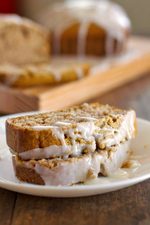
Gingerbread Loaves with Lemon Glaze
pinchofyum.com · 50 min

Vegan Gluten-Free Banana Pecan Shortbread (Butter-Free)
minimalistbaker.com · 45 min
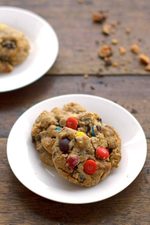
Butterfinger Monster Cookies
pinchofyum.com · 30 min
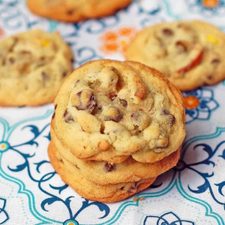
Peanut Butter Pretzel Cookies
pinchofyum.com · 32 min
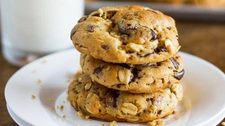
Peanut Butter Oatmeal Chocolate Chip Cookies
pinchofyum.com · 20 min
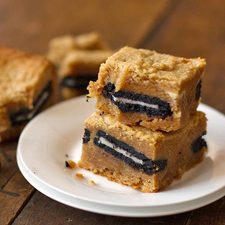
Peanut Butter Oreo Blondies
pinchofyum.com · 50 min
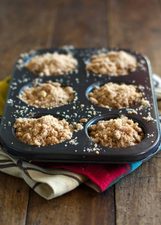
Whole Wheat Chocolate Chip Banana Peanut Butter Muffins
pinchofyum.com · 25 min

Vegan Pumpkin Sugar Cookies
minimalistbaker.com · 57 min
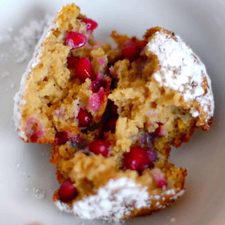
Pomegranate Orange Muffins
pinchofyum.com · 40 min
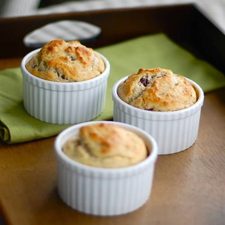
Strawberry Breakfast Cakes
pinchofyum.com · 45 min
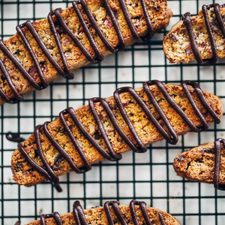
Cranberry Dark Chocolate Biscotti
pinchofyum.com · 90 min
Related terms
- BeatTo beat is to mix hard and fast with a spoon, whisk or mixer until a batter is smooth or eggs are blended. Here is how long to beat and when to stop.
- SoftenedSoftened butter is soft enough to dent with a finger but still cool and holding its shape, about 18 to 20°C (65 to 68°F). Here is how to get it right.
- Room temperatureRoom temperature in recipes means about 20 to 22°C (68 to 72°F). Eggs, butter and dairy at that heat mix more smoothly and help cakes rise evenly.
- LeaveningLeavening is what makes dough and batter rise, such as yeast, baking soda, baking powder, steam or whipped air. Here is how each works and when to use it.
- Stand mixerA stand mixer is a countertop machine with a bowl and attachments for creaming, whipping and kneading dough hands-free. Here is how to use each attachment.
- CurdleCurdling is when milk, cream or egg sauces separate into lumps and thin liquid. It happens from too much heat or acid. Here is how to stop and fix it.