Crush
To crush is to break food apart with pressure instead of a clean cut, as with garlic under a knife blade or spices in a mortar, to release more flavor.
Also called Crushed, Crushing.
To crush means to break food into pieces by pressing or pounding it, rather than cutting it cleanly. Crushing tears the cell walls open, which releases juice, oils and smell. Recipes crush garlic, ginger, whole spices, nuts, crackers, cookies and canned tomatoes.
How to do it
For a garlic clove:
- Lay the clove on the board and place the flat side of a chef's knife on top, edge facing away from you.
- Press down firmly with the heel of your hand. The skin cracks and slips off.
- Press again to flatten the clove, or keep going with a pinch of salt and the flat of the blade to make a paste.
For whole spices, put them in a mortar and pestle and pound them until they break into coarse pieces. You can also put them in a sturdy bag and press with a rolling pin or the bottom of a heavy pan.
For crackers, cookies and nuts, put them in a bag, press out the air, and roll over them with a rolling pin.
Why it works
A clean cut damages only the cells on the cut face. Crushing breaks many more cells at once. With garlic, that matters: its sharp, hot flavor forms only when the cells are broken and their contents mix. Crushed garlic tastes stronger than sliced garlic, and garlic paste is stronger still.
Common mistakes
- Hitting the knife with your fist with the edge facing you. Always keep the edge pointing away and press with your palm.
- Crushing spices to a fine powder when the recipe wants coarse pieces.
- Crushing garlic for a dish that should taste mild. Slice it instead.
- Putting crushed garlic into very hot oil. It burns in seconds and turns bitter.
In recipes
"Crushed garlic" can mean a lightly flattened clove or garlic pressed into a paste, so check how the recipe uses it. A clove left whole but flattened is often called smashed. "Crushed red pepper" is dried chili flakes. "Crushed tomatoes" are canned tomatoes broken into a chunky purée.
Recipes that use this technique
31 recipes from the sites we collect.
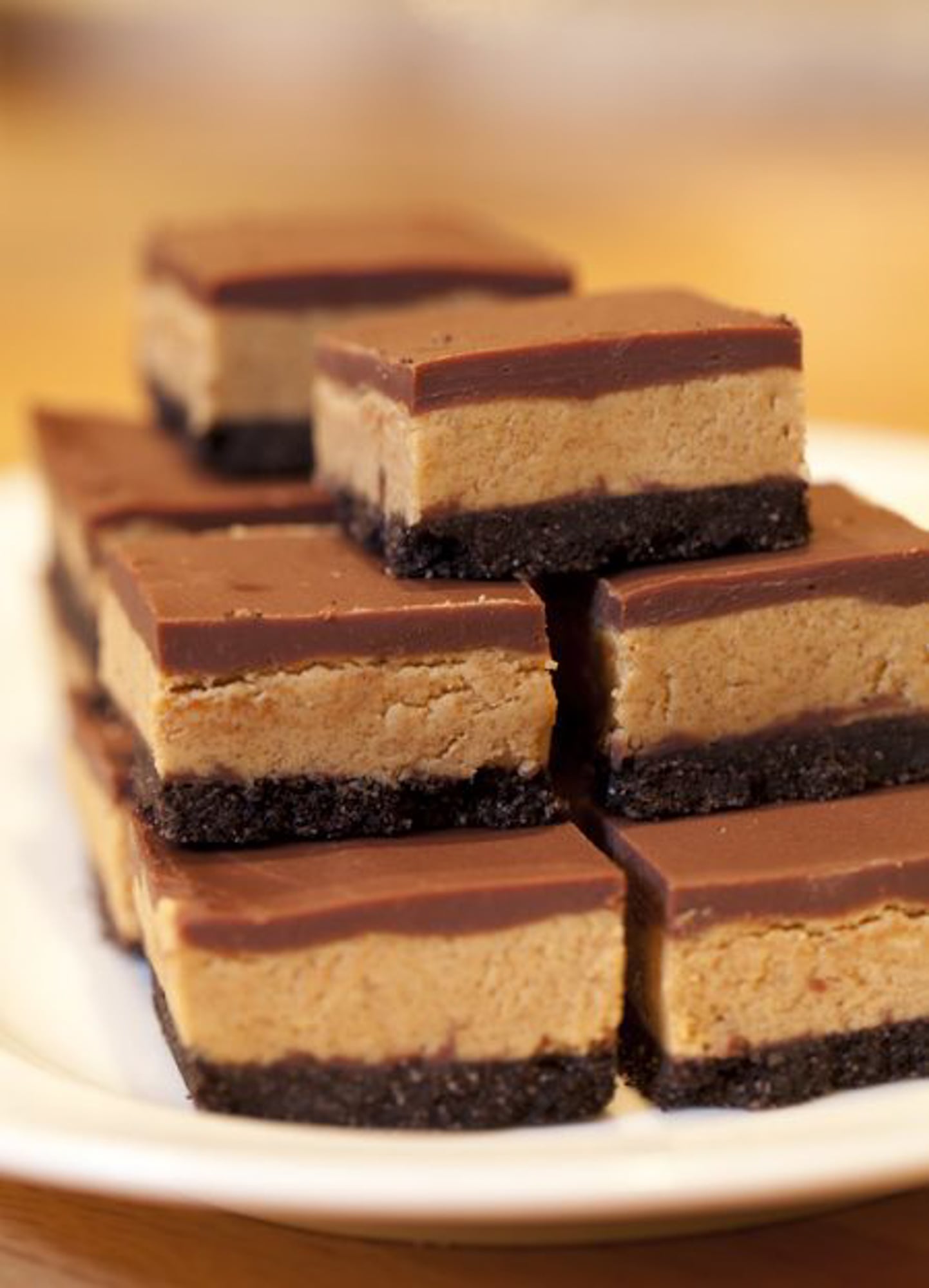
Chocolate Peanut Butter Squares
www.onceuponachef.com · 40 min
Strawberry White Chocolate Cookies
pinchofyum.com · 25 min
Oreo Fudge Ice Cream Bars
pinchofyum.com · 55 min

Minty Chocolate Oreo Truffles
pinchofyum.com · 95 min

Vegan Peanut Butter Banana Pudding
minimalistbaker.com · 270 min
Simple San Marzano Pasta e Fagioli
pinchofyum.com · 65 min

Vegan Green Chili Mac 'n' Cheese
minimalistbaker.com · 30 min
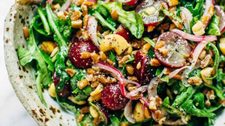
Arugula Salad with Grapes and Black Pepper Vinaigrette
pinchofyum.com · 20 min
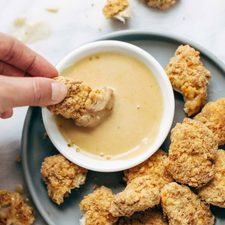
Spicy Popcorn Chicken Bites
pinchofyum.com · 28 min

Perfect Peach Iced Tea
minimalistbaker.com · 50 min
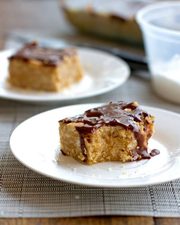
10 Minute Peanut Butter Fudge
pinchofyum.com · 15 min
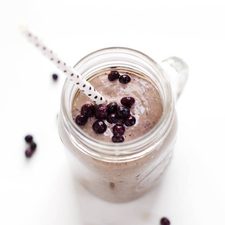
Honey and Wild Blueberry Smoothie
pinchofyum.com · 10 min
Related terms
- SmashTo smash is to flatten or break food with a sharp blow or firm press, as with garlic under a knife, cucumbers for salad, boiled potatoes or burger patties.
- MinceTo mince is to cut food into the smallest pieces you can, finer than chopped, so garlic, ginger, shallots or herbs melt into a dish with no chunks.
- CloveA clove is one segment of a garlic bulb. Here is how big a clove is, how much minced garlic it gives, and what to do when sizes vary.
- Mortar and pestleA mortar and pestle is a heavy bowl and club for crushing spices, garlic and herbs into pastes and sauces. Here is how to use one and which type to choose.
- Chef's knifeA chef's knife is the all-purpose kitchen knife, with a wide 20 cm (8 in) blade for chopping, slicing and mincing. Here is how to hold it.