Crustaceans
Crustaceans are shellfish with jointed shells, such as shrimp, crab, lobster and crayfish. They are a major allergen in both the EU and the US.
Also called Crustacean shellfish, Crustacean allergy.
Crustaceans are shellfish with a hard, jointed outer shell. The group includes shrimp (prawns in the UK), crab, lobster, crayfish (crawfish), langoustine and krill. A crustacean allergy is one of the most common seafood allergies in adults, and cooking does not destroy the proteins that cause it. A doctor can confirm the allergy and tell you what to avoid.
How to use it
Both the EU and the US treat crustaceans as a major allergen:
- In the EU and the UK, crustaceans are one of the 14 allergens and must be emphasized in the ingredients list.
- In the US, crustacean shellfish are one of the nine major allergens, and the label must name the species, such as "shrimp" or "crab".
The rules differ for mollusks such as mussels, squid and oysters. The EU lists them as a separate allergen, but the US does not count them as a major allergen. Some people who react to crustaceans also react to mollusks. Ask an allergist which you need to avoid.
Common mistakes
- Picking shrimp out of a dish. The proteins stay in the sauce.
- Sharing frying oil. Fried food can pick up shellfish protein from oil used for shrimp tempura or breaded scampi.
- Ignoring cooking steam. Some people react to the vapor from boiling or steaming shellfish.
- Assuming a dish without visible seafood is safe. Pastes and sauces can contain dried shrimp.
In recipes
Look for crustaceans in these less obvious places:
- Shrimp paste, which is used in many Thai, Malaysian and Indonesian curry pastes and sambals
- Dried shrimp in Chinese and Southeast Asian cooking, and in some XO sauce
- Some fish sauce brands, which add shrimp; fish sauce is usually made from anchovies
- Seafood stocks, bisque, gumbo and paella
- Imitation crab (surimi), which may contain crab extract
If you have a crustacean allergy, read labels every time, ask in restaurants how dishes are made, and talk to a doctor about a plan for accidental exposure.
Recipes free from it
3712 recipes from the sites we collect.

Slow Cooker Butternut Squash Soup Recipe
www.skinnytaste.com · 255 min
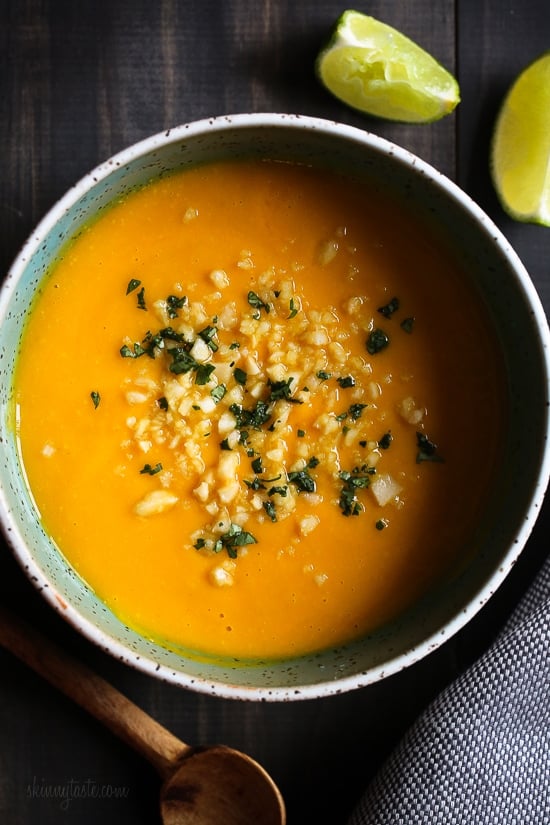
Turmeric Roasted Sweet Potato and Macadamia Soup
www.skinnytaste.com · 80 min

Chicken Marbella Recipe
www.skinnytaste.com · 58 min
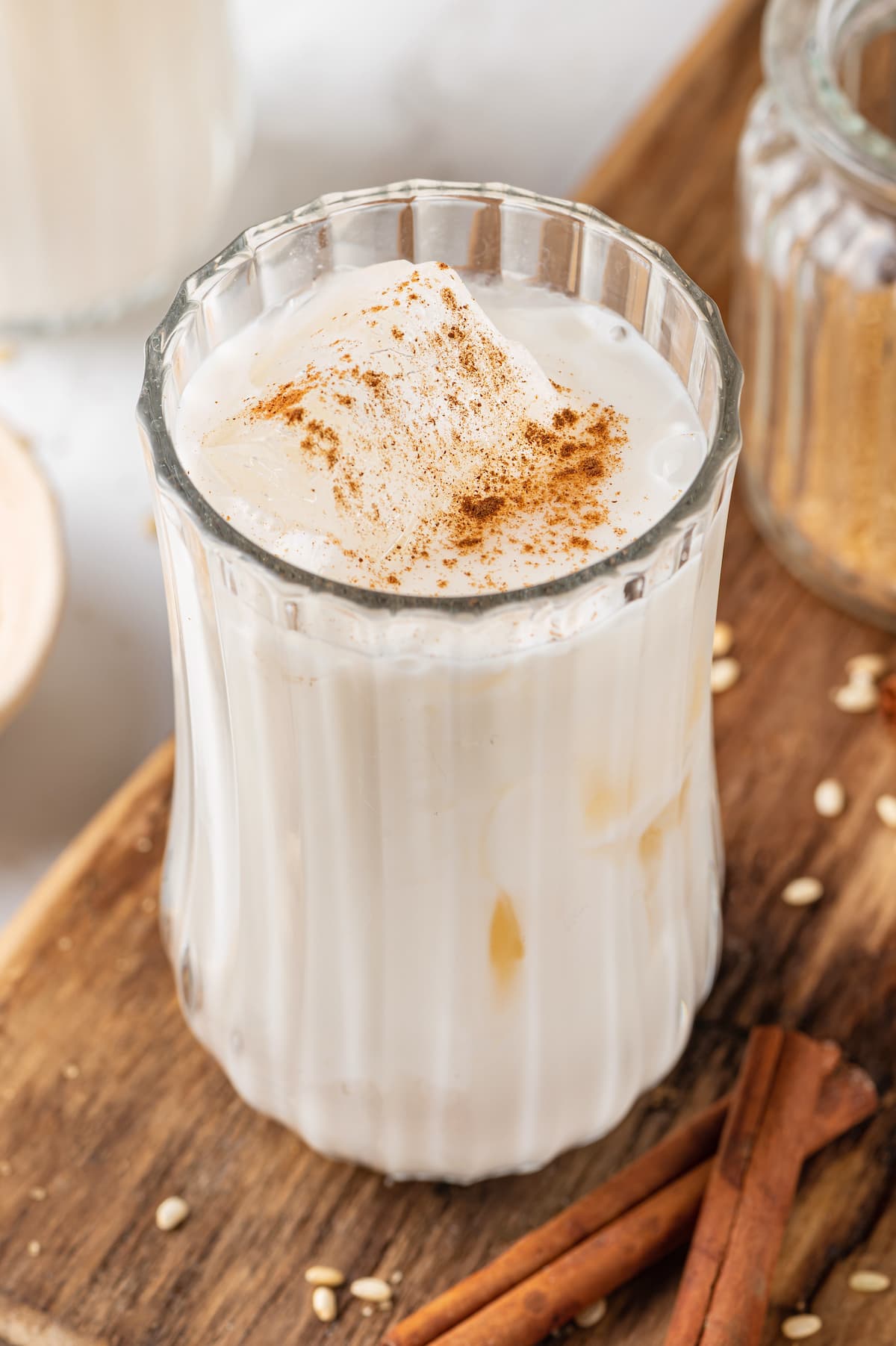
Brown Rice Horchata
www.skinnytaste.com · 490 min

Skinny Green Tropical Smoothie
www.skinnytaste.com · 5 min

One-Pot Chicken Orzo Recipe
www.skinnytaste.com · 65 min

Blackened Scallops with Horseradish Sauce
www.skinnytaste.com · 25 min
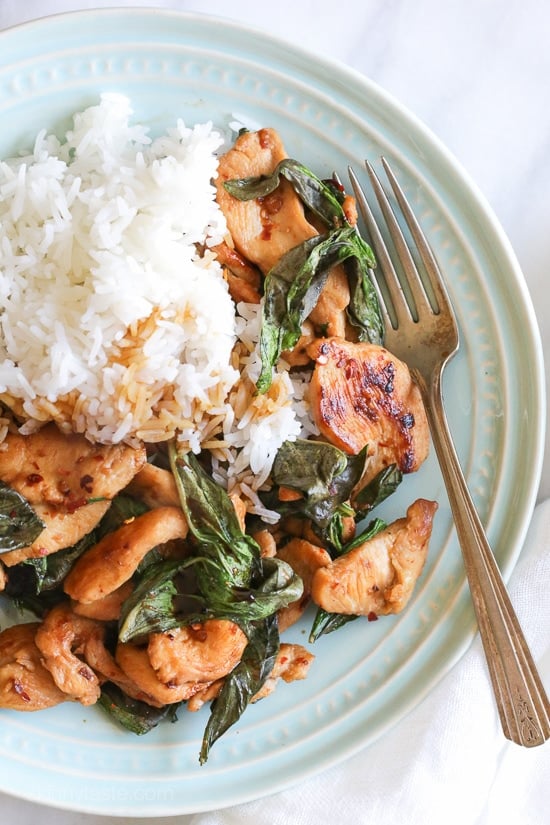
Thai Basil Chicken
www.skinnytaste.com · 20 min
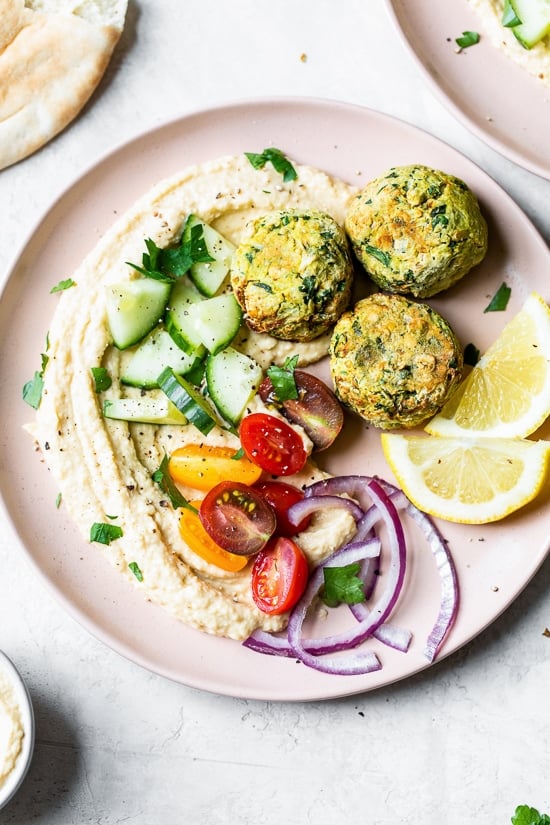
Air Fryer Falafel
www.skinnytaste.com · 165 min

Penne alla Vodka
www.skinnytaste.com · 40 min
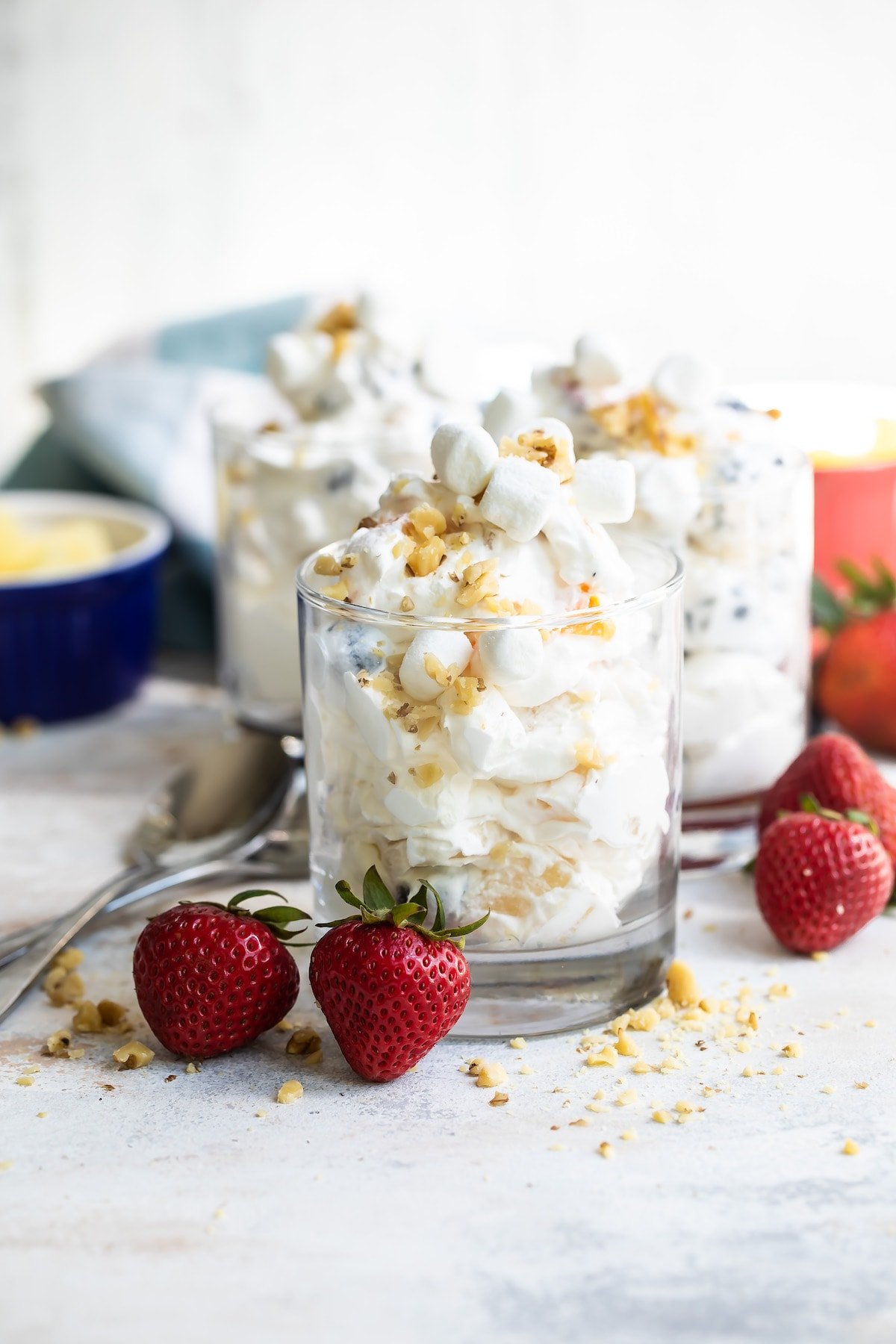
Ambrosia Salad
www.skinnytaste.com · 15 min

Hearty Vegetarian Pumpkin Chili
www.skinnytaste.com · 70 min
Related terms
- MollusksMollusks are soft-bodied shellfish such as mussels, clams, oysters, squid and octopus. They are an EU allergen but not a major allergen in the US.
- Fish allergyA fish allergy is a reaction to proteins in finned fish such as salmon, cod and tuna. It is separate from shellfish allergy and labeled in the EU and US.
- ShrimpPrawns and shrimp are small shellfish that cook in two to three minutes. Americans say shrimp for almost all of them, Britons and Australians say prawn.
- EU 14 allergensThe EU 14 allergens are the foods that EU and UK law says must be emphasized on food labels and declared by restaurants, from gluten to lupin.
- US major allergensThe US major food allergens are nine foods that must be named on US labels, from milk, eggs and peanuts to wheat, soy and, since 2023, sesame.