Knead
To knead is to push, fold and turn dough until it is smooth and stretchy. It builds gluten so bread rises well. Here is how long it takes and how to tell.
Also called Kneading, Kneaded.
To knead means to work a dough by pushing, stretching and folding it over and over. It turns a rough, shaggy mass into a smooth, elastic dough. Kneading builds gluten, the stretchy network that traps gas so bread can rise. You knead bread, pizza and pasta doughs, but not cakes or pastry.
How to do it
- Turn the dough out onto a clean counter. Use a very light dusting of flour only if it sticks badly.
- Push the dough away from you with the heel of your hand, stretching it out.
- Fold the far end back over on top of itself.
- Turn the dough a quarter turn and repeat.
- Keep a steady rhythm for 8 to 12 minutes by hand. In a stand mixer with a dough hook, it takes 5 to 8 minutes on low to medium speed.
- If the dough fights back and tears, cover it and let it rest for 5 to 10 minutes. Then continue.
How to tell it is done
- The dough is smooth and slightly shiny, not lumpy.
- It springs back slowly when you poke it.
- It feels soft and tacky but does not stick to clean, dry hands.
- A small piece stretches thin enough to let light through without tearing. This is the windowpane test.
Why it works
Flour holds two proteins that link into gluten when they meet water. Kneading lines up and stretches those strands into long, strong sheets. A well-kneaded dough holds gas from the yeast, rises tall and gives an even, chewy crumb.
Common mistakes
- Adding a lot of flour to stop sticking. The dough turns stiff and the bread dense. Use a bench scraper and wet or oiled hands instead.
- Stopping too early. The bread spreads and has a coarse, crumbly texture.
- Over-kneading in a mixer at high speed. Gluten tears and the dough turns slack and sticky. This rarely happens by hand.
In recipes
"Knead until smooth and elastic" is the usual phrase. "No-knead" bread uses a wet dough and a long rise instead, and time builds the gluten. An autolyse or stretch and folds can also cut kneading down.
Recipes that use this technique
118 recipes from the sites we collect.
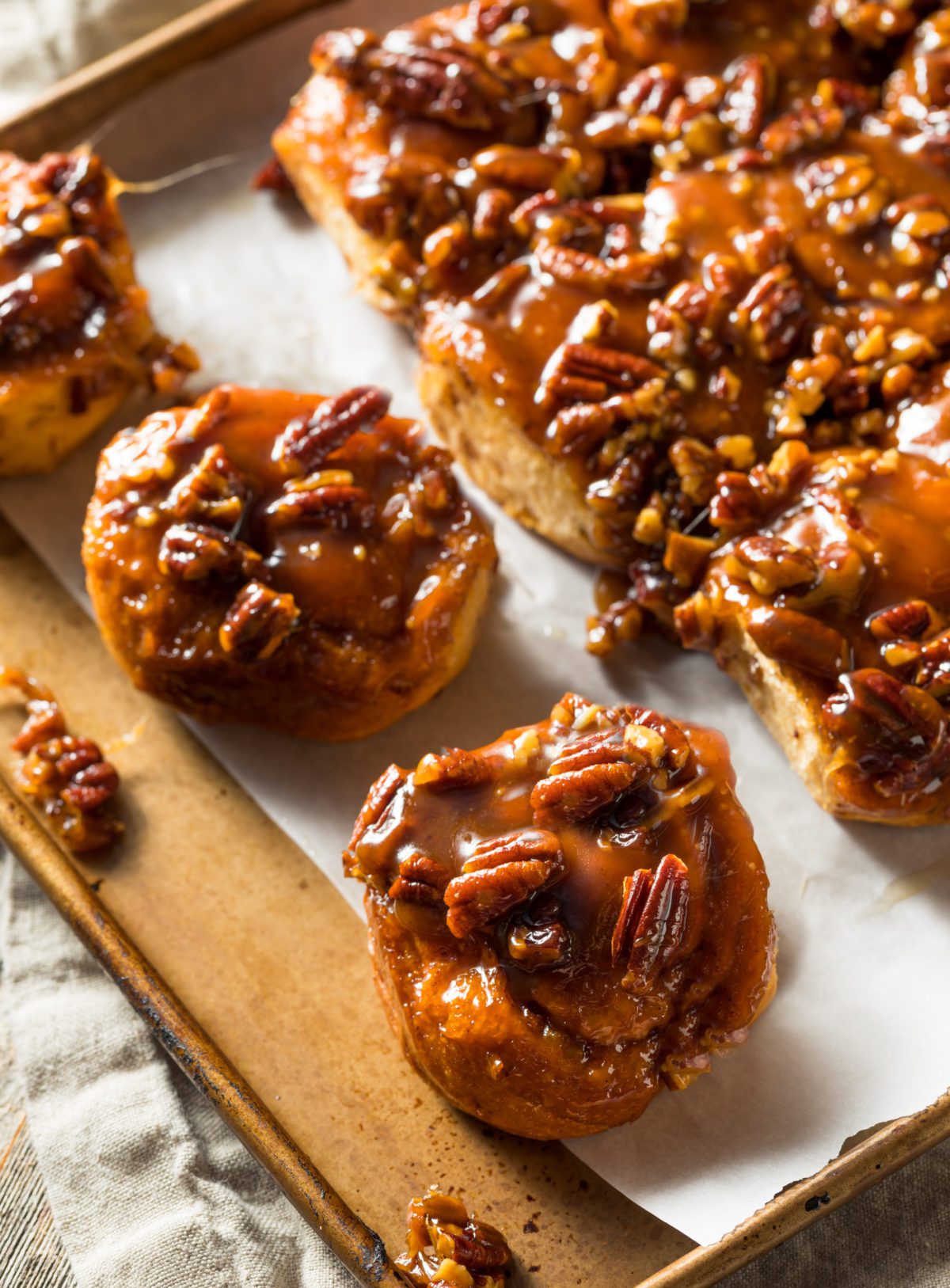
Sticky Buns
www.onceuponachef.com · 105 min

Margarita Pizza
www.skinnytaste.com · 45 min
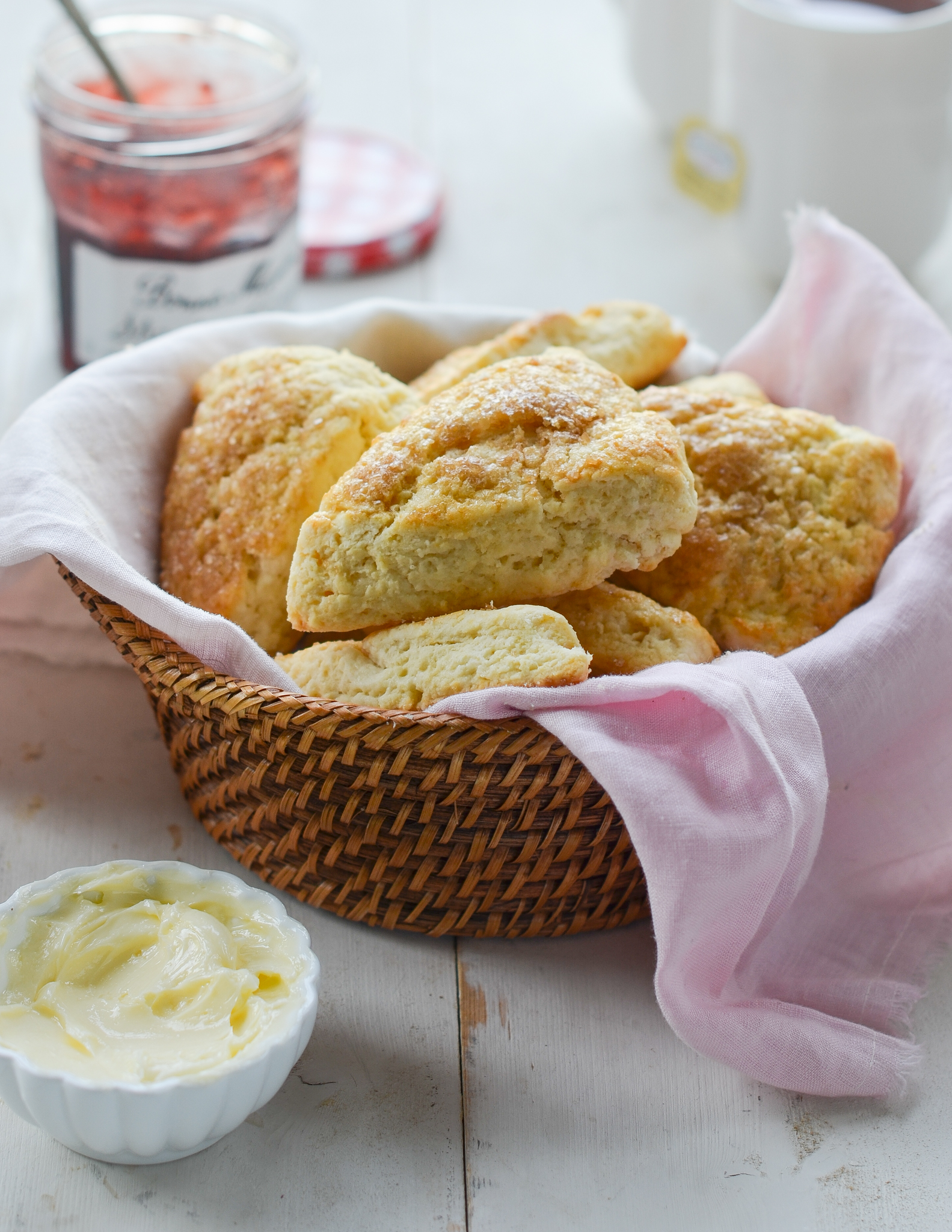
Scones
www.onceuponachef.com · 30 min
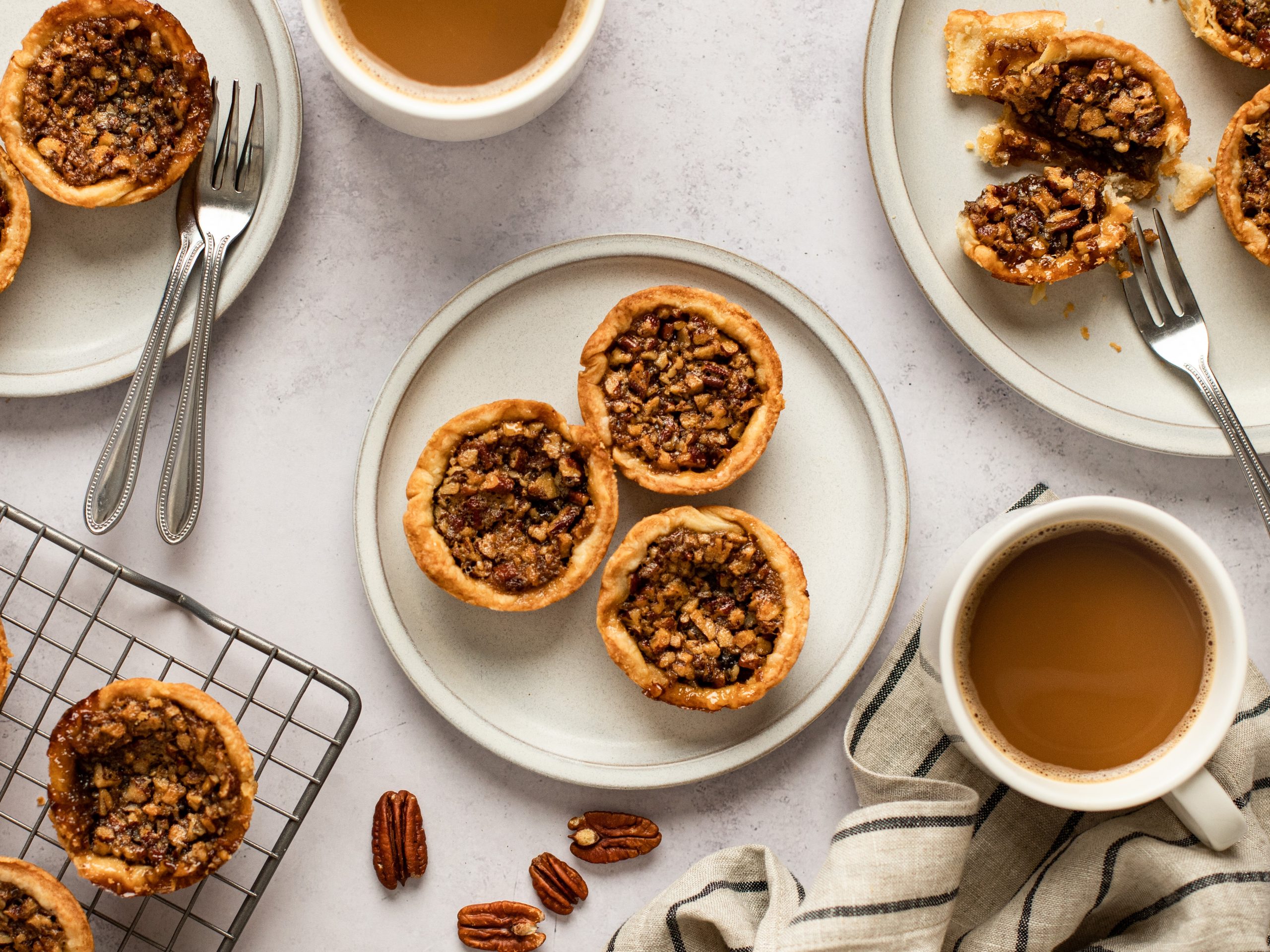
Canadian Butter Tarts
www.onceuponachef.com · 60 min
Homemade Dog Treats
pinchofyum.com · 35 min

Chocolate Rugelach
www.onceuponachef.com · 50 min
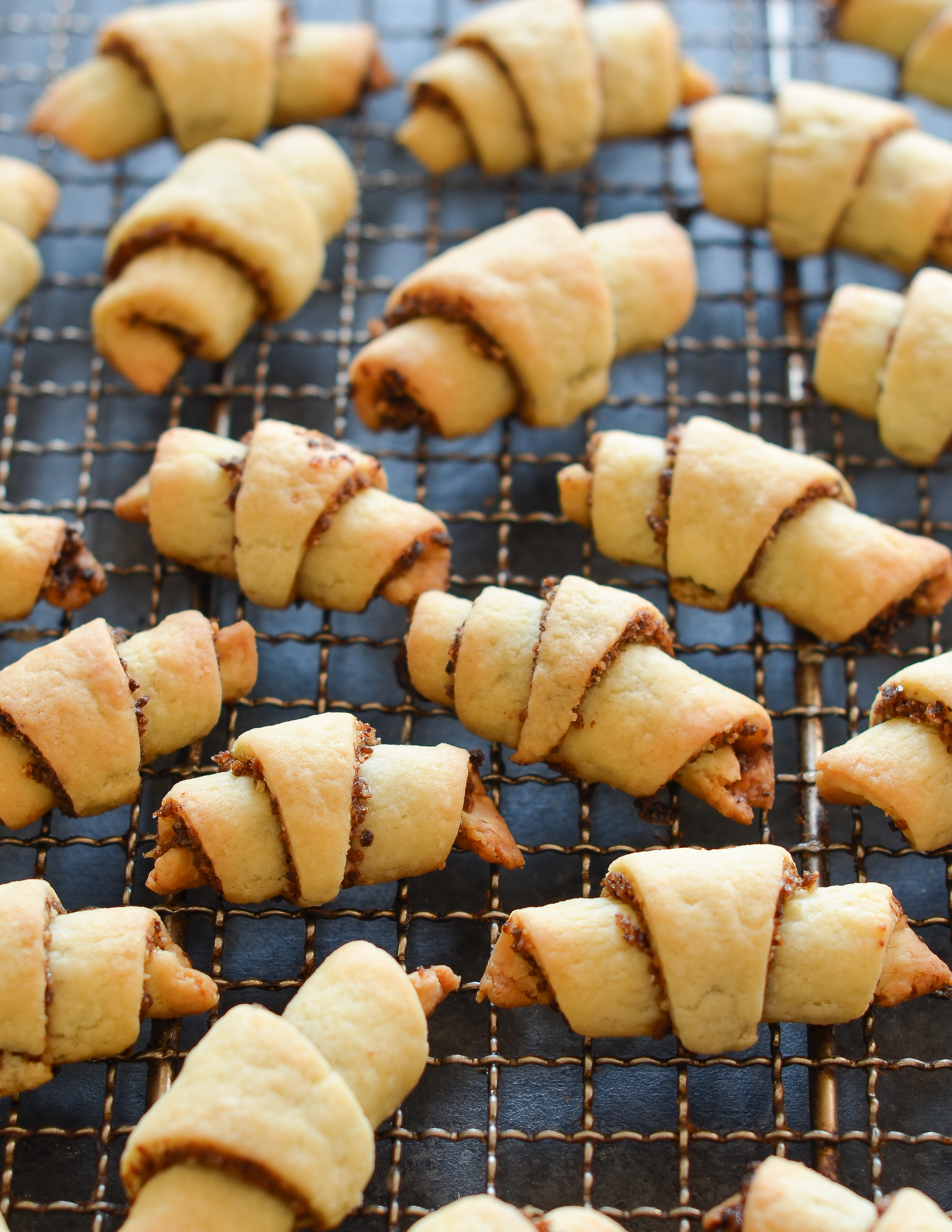
Rugelach
www.onceuponachef.com · 165 min
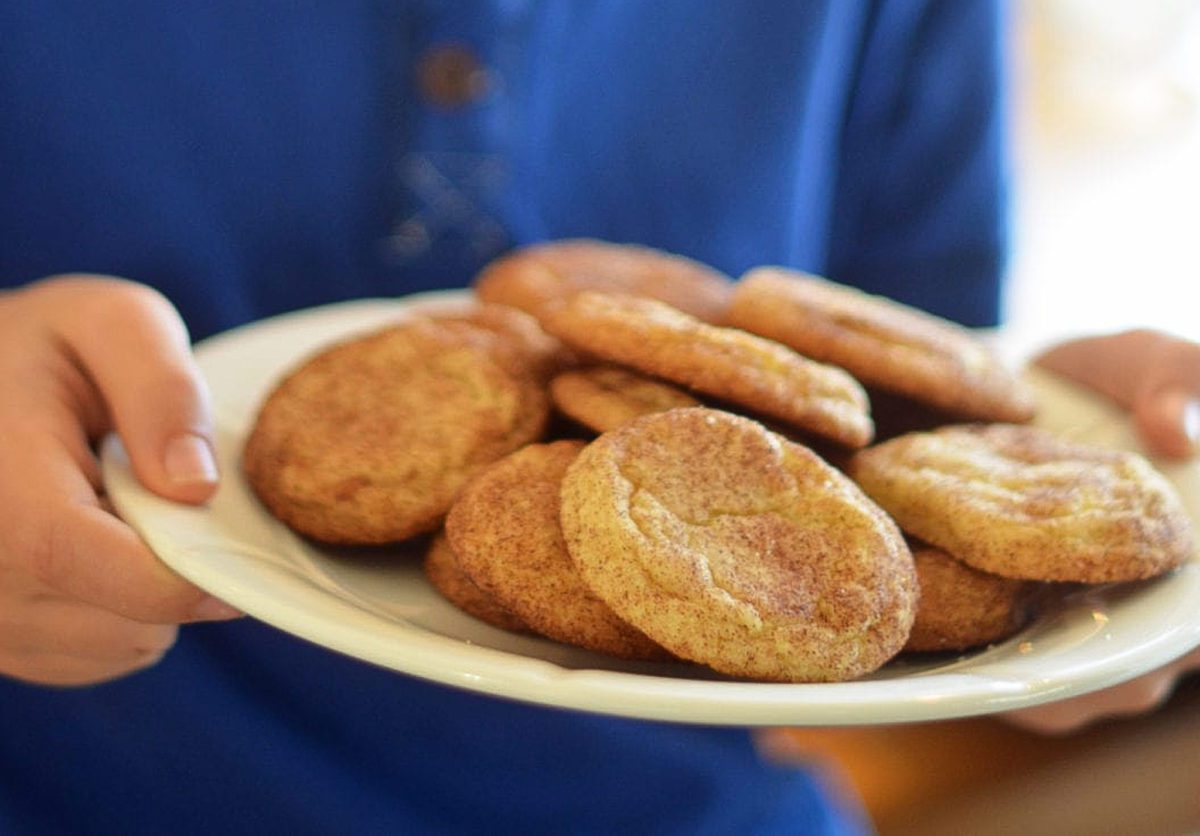
Snickerdoodles
www.onceuponachef.com · 25 min

Lemon Cranberry Scones
www.skinnytaste.com · 35 min

Cauliflower Gnocchi
www.skinnytaste.com · 50 min
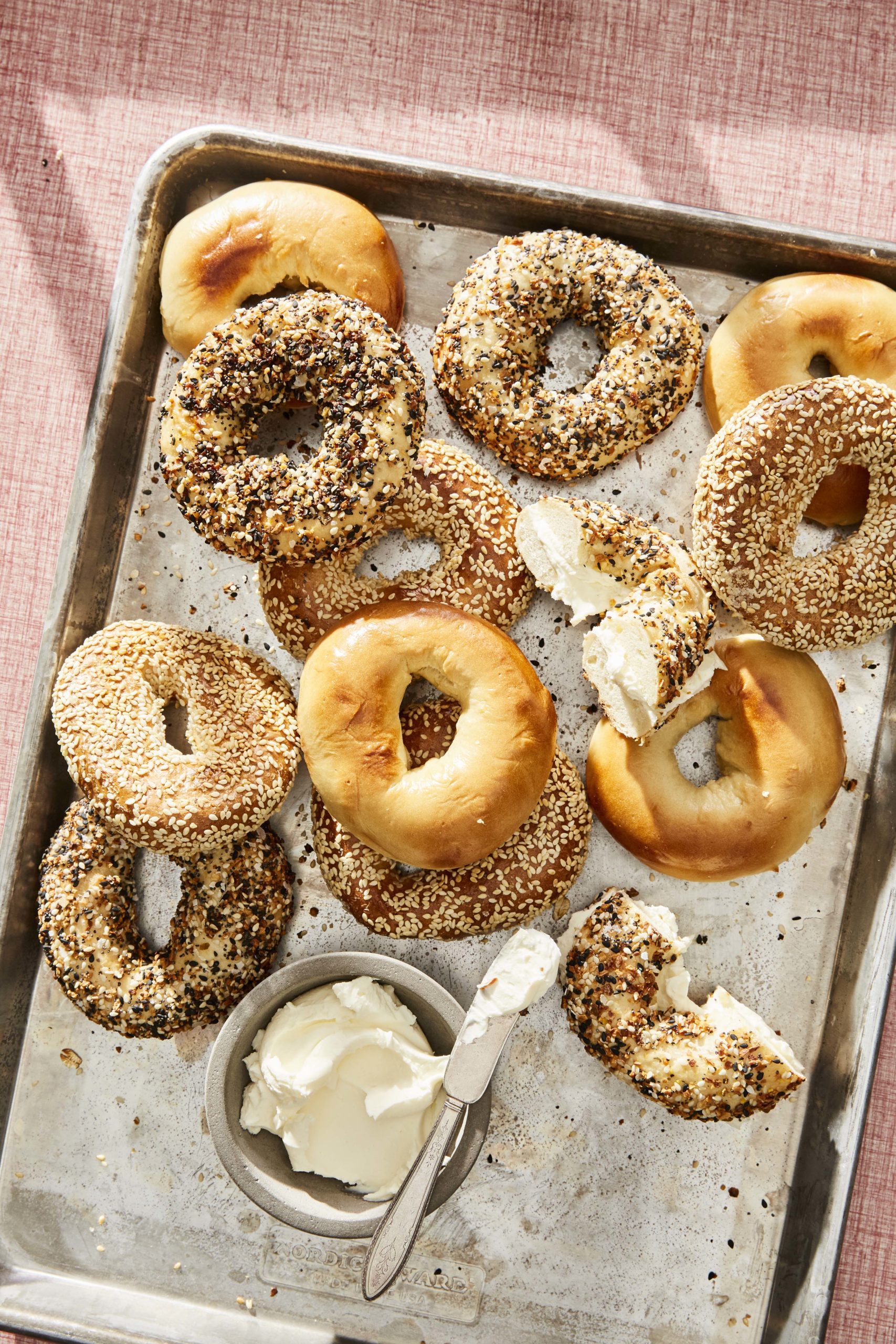
Montreal Bagels
www.onceuponachef.com

Grilled Pizza
www.skinnytaste.com · 20 min
Related terms
- GlutenGluten is the stretchy protein network that forms when wheat flour meets water. It gives bread its chew and structure, and too much makes cakes tough.
- Windowpane testThe windowpane test checks if bread dough is kneaded enough. Stretch a small piece thin. If light shows through without a tear, the gluten is ready.
- AutolyseAutolyse is a rest where flour and water sit before salt and yeast go in. It makes bread dough smoother and easier to knead and shape.
- Bulk fermentationBulk fermentation is the first rise, when bread dough ferments in one mass before shaping. It builds flavor and strength. Here is how to judge it.
- Stand mixerA stand mixer is a countertop machine with a bowl and attachments for creaming, whipping and kneading dough hands-free. Here is how to use each attachment.
- RestTo rest is to leave a dough, batter or cooked meat alone for a while before the next step. It relaxes gluten, hydrates flour and keeps juices in.