Loaf pan
A loaf pan is a deep rectangular pan for sandwich bread, banana bread and pound cake. Here are the common sizes and how to swap one for another.
Also called Loaf tin, Bread pan, Bread tin.
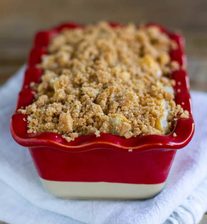
A loaf pan is a deep, narrow, rectangular pan with straight or slightly sloped sides. It holds a dough or batter so it rises up instead of out, which gives the tall, even shape of sandwich bread, banana bread, pound cake and meatloaf. In the UK it is called a loaf tin, and sizes are often given by weight, such as a 900 g (2 lb) tin.
How to use it
Common sizes:
| Size | Volume |
|---|---|
| 23 x 13 cm (9 x 5 in) | about 2 liters (8 cups) |
| 21 x 11 cm (8.5 x 4.5 in) | about 1.5 liters (6 cups) |
Exact volumes vary between brands, so check yours by filling it with water.
- Grease the pan, then line the bottom and the two long sides with a strip of parchment paper that hangs over the edges. The overhang works as handles.
- Fill it no more than two-thirds to three-quarters full with batter.
- For bread, let the dough proof until it rises just above the rim.
- Bake on the middle rack. Test cakes and quick breads with a skewer, the toothpick test.
- Cool in the pan for about 10 minutes, then lift out and finish cooling on a wire rack.
Substitutes
A recipe for a 23 x 13 cm (9 x 5 in) pan makes about 12 muffins or fills a 20 cm (8 in) square pan. Both bake faster, so start checking much earlier. A loaf baked in the smaller 21 x 11 cm pan rises taller and takes a little longer.
Common mistakes
- Using a larger pan than the recipe says. The loaf comes out flat and dry.
- Using a smaller pan. It overflows and the middle stays raw.
- Dark metal pans brown faster. Some bakers lower the oven by about 15°C (25°F) for them. Glass pans heat slowly and can also over-brown the edges.
- Cutting quick bread while hot. It crumbles and turns gummy.
In recipes
"Loaf pan" with no size usually means 23 x 13 cm (9 x 5 in) in US recipes. A terrine mold is similar but often has a lid.
Recipes made with it
61 recipes from the sites we collect.
Related terms
- Parchment paperParchment paper is silicone-coated, heat-resistant paper that stops food sticking to pans. Here is how to line a pan and how it differs from wax paper.
- Toothpick testThe toothpick test checks if a cake is baked by pushing a toothpick into the center. If it comes out clean or with a few moist crumbs, it is done.
- ProofTo proof is to let shaped dough rise one last time before baking. Use the poke test to tell when bread is ready, underproofed or overproofed.
- TerrineA terrine is a loaf of seasoned meat, fish or vegetables pressed into a deep mold, cooked slowly in a water bath and served in cold slices.
- Wire rackA wire rack lets air reach every side of food, so cakes and bread cool without going soggy and roasted food stays crisp. Here is how to use one.