Lupin
Lupin is a legume whose seeds and flour turn up in some European breads, pastries and gluten-free foods. It is one of the EU 14 allergens.
Also called Lupine, Lupini beans, Lupin flour.
Lupin (lupine in the US) is a legume, in the same plant family as peanuts, soybeans, peas and chickpeas. Its seeds are eaten whole as a pickled snack, and they are ground into flour that bakers add to bread, pastries and pasta. Lupin can cause allergic reactions, including severe ones, and some people with a peanut allergy also react to it.
How to use it
Lupin turns up in two main forms:
- Lupini beans. Large, flat yellow beans sold in jars or brine, eaten as a snack in Mediterranean and Middle Eastern countries. Dried bitter lupini contain bitter compounds and are soaked for several days in changing water before they are eaten, so jarred ones are the easy option.
- Lupin flour and protein. Used to add protein and color to bread, pastries, crêpes and pasta, and in many gluten-free and high-protein products.
Common mistakes
- Assuming lupin is only in obviously "health" foods. In parts of Europe it is used in ordinary bakery goods, sometimes without being obvious from the name of the product.
- Expecting a US label to call it out. Lupin is not one of the US major allergens, so it is listed by name in the ingredients but not in the "Contains" statement.
- Eating lupini beans you have soaked at home without knowing how. Poorly debittered beans can make you ill.
In recipes
In the EU and the UK, lupin is one of the 14 allergens, so it must be emphasized in the ingredients list on prepacked food, and restaurants and bakeries must be able to tell you if a dish contains it. Look for "lupin", "lupine", "lupin flour" or "lupin protein".
In a recipe, lupin flour usually replaces part of the wheat flour to add protein. If you need to avoid lupin, swap it for the same weight of the main flour in the recipe.
If you have a peanut allergy or think you react to lupin, talk to a doctor or allergist about whether you need to avoid it, and read labels every time you buy bread or gluten-free products.
Recipes free from it
3896 recipes from the sites we collect.

Chicken Eggplant Parmesan
www.skinnytaste.com · 35 min

Roasted Red Pepper Hummus
www.skinnytaste.com · 10 min

Lazy Deviled Egg Salad Recipe
www.skinnytaste.com · 46 min
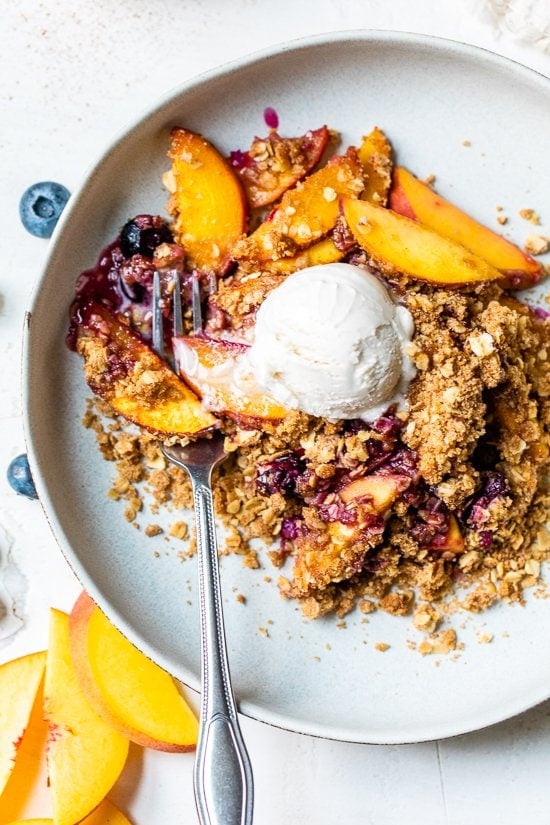
Blueberry Peach Crisp
www.skinnytaste.com · 55 min
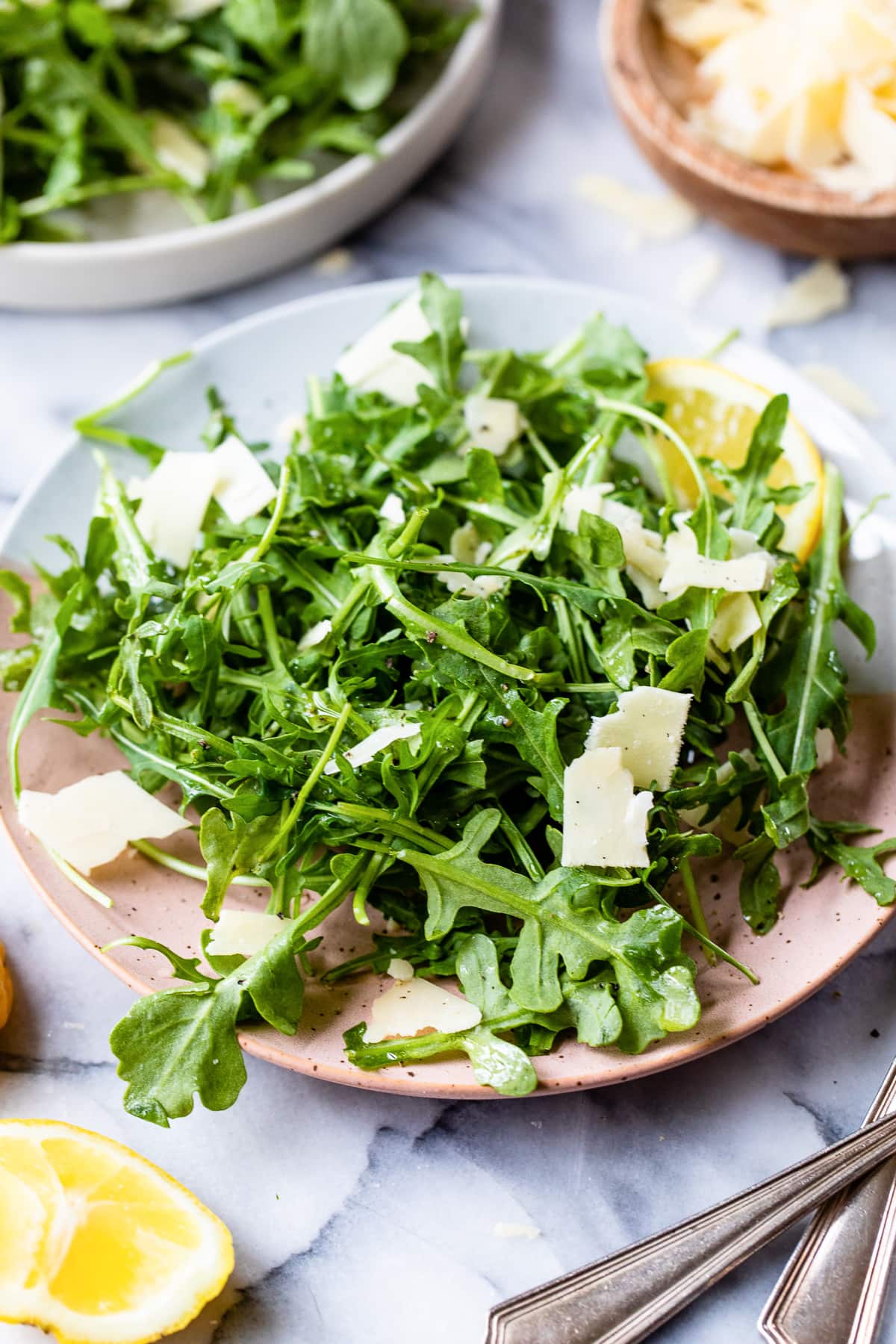
Arugula Salad
www.skinnytaste.com · 5 min

Red Wine Tomato Vinaigrette
www.skinnytaste.com · 5 min

Lemon Vinaigrette Recipe
www.skinnytaste.com · 5 min

Old Bay Sheet Pan Shrimp with Corn and Tomatoes
www.skinnytaste.com · 30 min

Roasted Chickpeas
www.skinnytaste.com · 45 min

Caprese Salad
www.skinnytaste.com · 5 min

Shrimp and Rice (Arroz Con Camarones)
www.skinnytaste.com · 45 min

Vegan Eggplant Meatballs
www.skinnytaste.com · 80 min
Related terms
- EU 14 allergensThe EU 14 allergens are the foods that EU and UK law says must be emphasized on food labels and declared by restaurants, from gluten to lupin.
- PeanutsPeanuts are legumes, not tree nuts, and a common cause of severe allergic reactions. EU, UK and US law all require them to be labeled.
- US major allergensThe US major food allergens are nine foods that must be named on US labels, from milk, eggs and peanuts to wheat, soy and, since 2023, sesame.
- Gluten-freeGluten-free on a label means under 20 parts per million of gluten in the EU, UK and US. Here is what that covers and how to cook gluten-free at home.
- ChickpeaChickpeas are round, nutty legumes used in hummus, curries and salads. In the US they are also garbanzo beans, in India chana, in Italy ceci.