Marinate
To marinate is to soak food in a seasoned liquid of acid, oil, salt and aromatics before cooking. Here are safe times and why longer is not always better.
Also called Marinade, Marinating, Marinated.
To marinate means to soak meat, fish, tofu or vegetables in a flavored liquid, the marinade, before cooking. A typical marinade has an acid or enzyme, oil, salt and aromatics such as garlic, herbs and spices. Marinating flavors the surface, and salty marinades help meat stay juicy.
How to do it
- Mix the marinade. A simple base is 3 parts oil to 1 part acid, plus salt, garlic and herbs. Soy sauce, yogurt and buttermilk also work well.
- Put the food and marinade in a zip-top bag or a non-metal dish, and turn to coat.
- Refrigerate the whole time. Turn the food now and then.
- Marinate for the times below.
- Lift the food out, let the extra drip off and pat it dry before searing or grilling.
| Food | Time |
|---|---|
| Fish and shrimp | 15 to 30 minutes |
| Chicken pieces | 2 to 12 hours |
| Pork and beef | 2 to 24 hours |
| Firm tofu and vegetables | 30 minutes to 4 hours |
Why it works
Most marinades only reach a few millimeters into meat. Salt goes deeper over time and works like a brine, so salty marinades such as soy or seasoned yogurt help most. Acid and enzymes from pineapple, papaya or kiwi break down the surface. A little of that softens it, but too much turns it mushy. Oil carries flavors from garlic, herbs and spices.
Common mistakes
- Marinating fish in citrus for hours. Its surface turns chalky.
- Leaving meat in pineapple or papaya for long, which makes it mealy.
- Marinating at room temperature. Keep it at 5°C (41°F) or below.
- Reusing marinade that touched raw meat as a sauce without boiling it first. This risks cross-contamination. Boil it for at least 1 minute, or set some aside before adding the meat.
- Putting wet marinated meat into a hot pan, so it steams instead of browning.
In recipes
"Marinate overnight" usually means 8 to 12 hours in the fridge. For fruit, the word is macerate. Chinese velveting uses a short marinade of egg white and cornstarch.
Recipes that use this technique
163 recipes from the sites we collect.

Filipino Chicken Adobo
www.onceuponachef.com · 55 min

Thai Marinated Grilled Chicken Skewers with Peanut Sauce
www.onceuponachef.com · 40 min

Grilled Moroccan Chicken
www.onceuponachef.com · 20 min
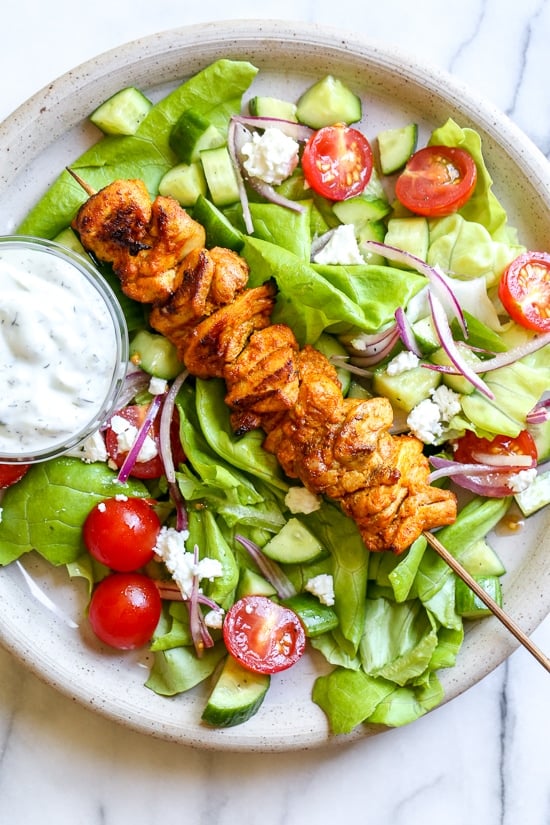
Chicken Shawarma Kebab Salad
www.skinnytaste.com · 35 min

Jamaican Brown Stew Chicken
www.skinnytaste.com · 50 min

Slow Cooker Pork and Gandules (Pigeon Peas) Stew
www.skinnytaste.com · 240 min

Chicken Burrito Bowls with Spicy Green Sauce
www.onceuponachef.com · 120 min

Tandoori Chicken
www.onceuponachef.com · 80 min

Cedar Plank Salmon with Lemon, Garlic & Rosemary
www.onceuponachef.com · 30 min

Char Siu Chicken
www.onceuponachef.com · 30 min

Grilled Balsamic Steak with Tomatoes and Arugula
www.skinnytaste.com · 20 min
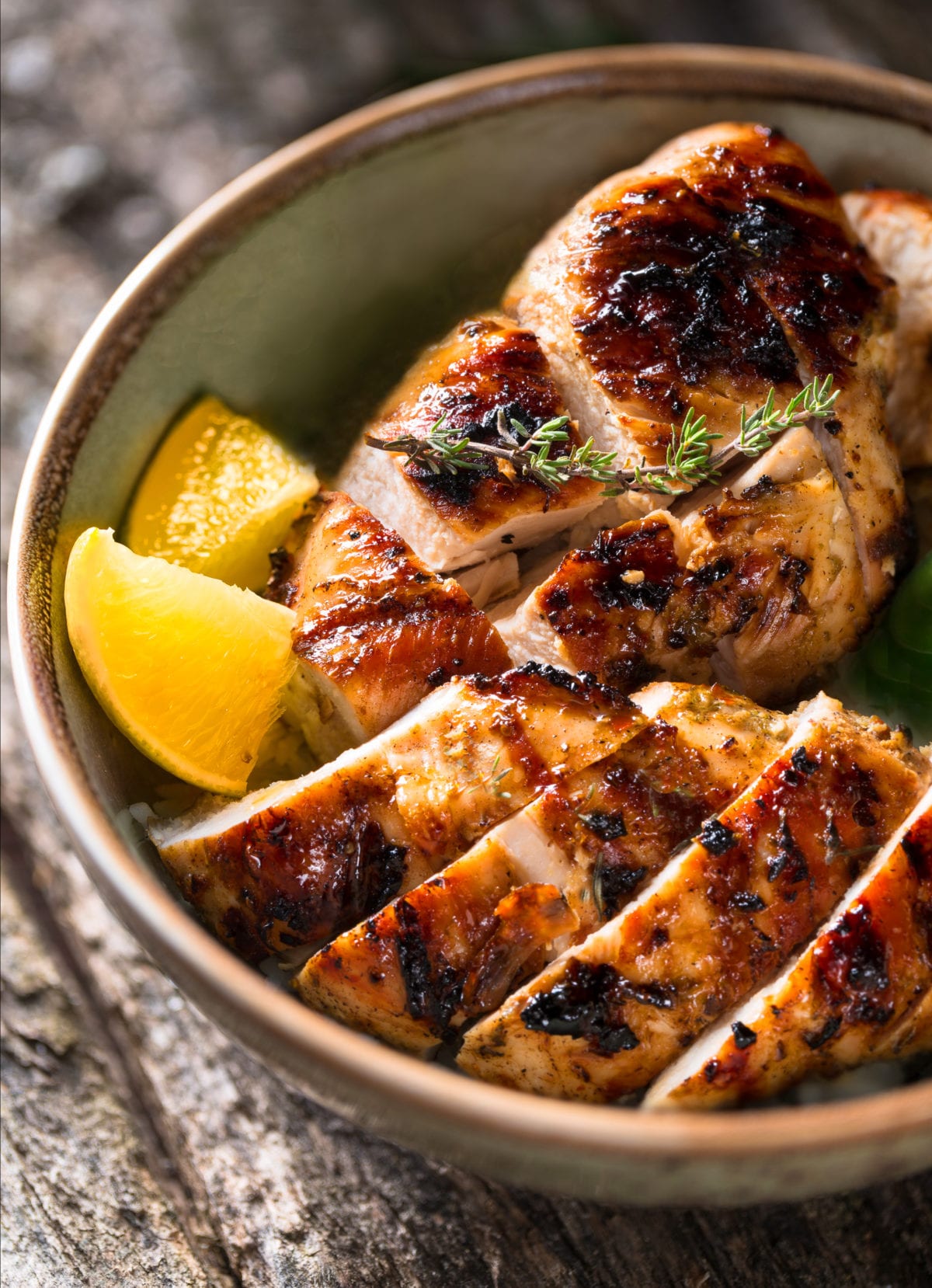
The Best Grilled Chicken
www.onceuponachef.com · 30 min
Related terms
- BrineA brine is salt dissolved in water. Soaking meat in it for hours makes it juicier and seasons it through. Here are the ratios, times and safety rules.
- AcidAcid is the sour taste from lemon, vinegar, wine, tomatoes and yogurt. A splash at the end brightens a flat dish and balances salt, fat and sweetness.
- MacerateTo macerate is to soak fruit in sugar, alcohol or juice so it softens and releases its own syrup. It takes 15 minutes to a few hours and needs no heat.
- Cross-contaminationCross-contamination is when germs or allergens spread from one food, surface or hand to another. Separate raw meat, and wash hands, boards and knives.
- GrillGrilling cooks food on a grate over direct, high heat from charcoal, gas or wood. It gives a browned, smoky crust and those dark stripes in minutes.
- VelvetVelveting coats sliced meat in egg white and cornstarch, then cooks it briefly in water or oil before stir-frying. It keeps the meat soft and silky.