Microplane
A microplane is a long, fine rasp grater for citrus zest, hard cheese, garlic, ginger and nutmeg. Here is how to use one well.
Also called Rasp grater, Fine grater.
A microplane is a long, narrow grater with rows of tiny, very sharp teeth. The name started as a brand and is now widely used for any rasp-style grater of this shape. It shaves food into fine, fluffy shreds rather than tearing it. It is the best tool for taking zest off citrus without the bitter white pith, and for grating hard cheese, garlic, ginger, nutmeg and chocolate.
How to use it
- Hold the grater at an angle, with its end resting on a board or over a bowl.
- Run the food along the teeth in the direction they cut, usually away from the handle. Use light pressure.
- For citrus, turn the fruit after each stroke so you only take the colored skin. Stop when you see white.
- Tap the grater, or wipe the back with your finger, to release food caught underneath.
Some cooks hold the fruit still and run the grater over it, upside down. That way the zest collects in the trough of the grater and you can see when you reach the pith.
Good uses include zest for baking and gremolata, a cloud of hard cheese over pasta, garlic grated to a paste instead of minced, and a thumb of ginger for a stir-fry. Ginger is easier to grate from frozen.
How to store it
Rinse it right after use, running water from the back to push food out of the teeth. A soft brush helps. Store it with its plastic cover so the teeth do not get dulled or catch other things in the drawer.
Common mistakes
- Pressing hard. It clogs the teeth and you grate your knuckles. Light strokes are faster.
- Grating citrus too deep. The white pith is bitter.
- Grating soft cheese such as mozzarella. It turns to paste. Use a box grater.
- Measuring fine grated cheese by volume against a recipe written for coarse cheese. Fluffy shreds take far more space for the same weight.
- Grating the last small piece of garlic or ginger. Stop before your fingers reach the teeth.
In recipes
"Finely grate" or "zest" in a recipe often means this tool. A box grater's smallest holes or a small zester with round holes can stand in.
Recipes made with it
7 recipes from the sites we collect.

Sticky Baked Chicken with Apricot, Sage and Lemon Zest
www.skinnytaste.com · 425 min
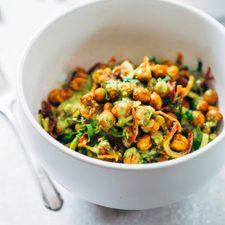
Rainbow Power Salad with Roasted Chickpeas
pinchofyum.com · 55 min

15 Minute Cauliflower Fried Rice
pinchofyum.com · 15 min
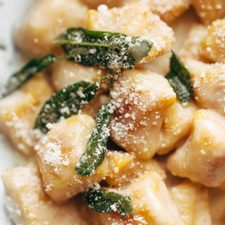
Pumpkin Gnocchi with Sage Butter Sauce
pinchofyum.com · 35 min

Crispy Peanut Tofu & Cauliflower Rice Stir-Fry
minimalistbaker.com · 90 min

1-Bowl Apple Gingerbread Cake
minimalistbaker.com · 60 min

Simple Tofu Quiche
minimalistbaker.com · 105 min
Related terms
- ZestZest is the thin, colored outer layer of citrus peel, full of fragrant oils. To zest a lemon is to scrape off that layer and leave the bitter pith.
- GrateTo grate is to rub food against a grater to turn it into fine shreds or a powder, as with cheese, carrots, ginger, garlic, nutmeg or citrus zest.
- Thumb of gingerA thumb of ginger is a piece of fresh ginger root about the size of your thumb, roughly 5 cm long and 15 to 25 g. Here is how to peel and use it.
- MinceTo mince is to cut food into the smallest pieces you can, finer than chopped, so garlic, ginger, shallots or herbs melt into a dish with no chunks.
- GremolataGremolata is an Italian mix of chopped parsley, lemon zest and garlic, scattered over food just before serving to add a fresh, sharp finish to rich dishes.