Milk allergy
A milk allergy is an immune reaction to milk proteins such as casein and whey. It is not lactose intolerance, and lactose-free milk is not safe for it.
Also called Cow's milk allergy, Dairy allergy, Cow's milk protein allergy.
A milk allergy is a reaction of the immune system to proteins in milk, mainly casein and whey. It is most common in babies and young children, and many grow out of it, but adults can have it too. It is different from lactose intolerance, which is a problem digesting the milk sugar. A doctor should diagnose a milk allergy and give you a plan.
Milk from goats, sheep and buffalo has very similar proteins, so most people with a cow's milk allergy have to avoid those too.
Substitutes
- Plant milks such as oat, soy or rice milk. Choose plain, unsweetened ones for cooking.
- Coconut milk or a plant-based cream for cream.
- Oil or a plant-based block for butter.
- Plant milk with a spoonful of lemon juice in place of buttermilk.
For a baby or young child, do not change milks or formula on your own. Talk to a doctor or dietitian first.
Common mistakes
- Using lactose-free milk. It contains the same proteins.
- Using ghee or clarified butter. Most of the protein is removed, not all.
- Trusting "non-dairy". In the US, products sold as non-dairy can contain caseinate, a milk protein.
- Missing milk in bread, crackers, sausages, chocolate, mashed potatoes, batters, and anything brushed with butter.
- Picking cheese off a dish. The protein stays on the food.
In recipes
Milk is a labeled allergen in both the EU and the US:
- In the EU and the UK, milk is one of the 14 allergens and must be emphasized in the ingredients list. Lactose counts as milk.
- In the US, milk is one of the nine major allergens and must be named in the ingredients or a "Contains" statement.
Other names to watch for: whey, casein, caseinate, milk solids, milk powder, butterfat, curds, cream, cheese, yogurt and lactose. A recipe marked dairy-free is the one to look for. Read labels every time you buy, because recipes change, and ask your doctor what to do if you eat milk by accident.
Recipes free from it
1796 recipes from the sites we collect.

Super Simple Jerk Chicken
pinchofyum.com · 15 min

Arroz Congri (Cuban Rice and Black Beans)
www.skinnytaste.com · 35 min

Easy Gluten-Free Fried Onions
minimalistbaker.com · 10 min

Ginger Chicken Meatball Sandos
pinchofyum.com · 40 min

Mexican Adobo Rubbed Grilled Pork Tenderloin
www.skinnytaste.com · 45 min

Vegan Gluten-Free Cream of Mushroom Soup
minimalistbaker.com · 25 min

Spiced Rubbed Grilled Salmon with Black Beans Corn Salsa
www.skinnytaste.com · 25 min

How to Make Vegan Buttermilk
minimalistbaker.com · 5 min

Fluffy Vegan Peanut Butter Frosting
minimalistbaker.com · 5 min
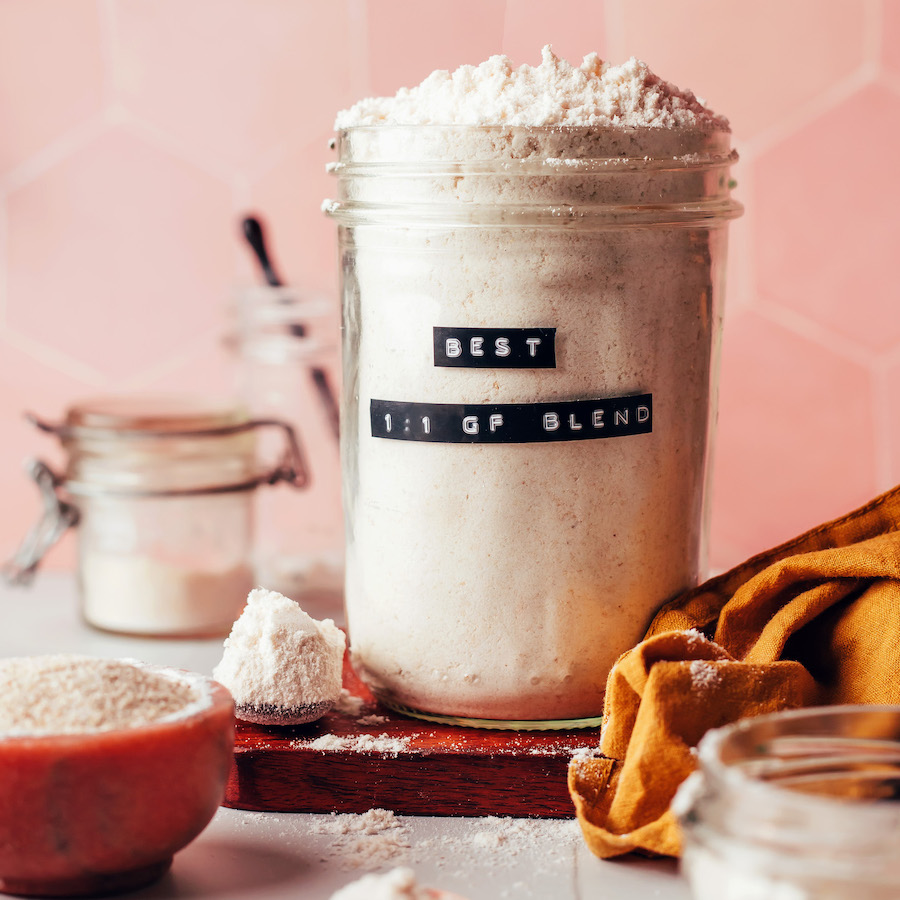
Best 1:1 Gluten-Free Flour Blend (Our Secret Recipe!)
minimalistbaker.com · 5 min

Sticky Bourbon Chicken with Rice
pinchofyum.com · 780 min

How to Make Cashew Milk (No Straining!)
minimalistbaker.com · 65 min
Related terms
- Dairy-freeDairy-free food contains no milk or anything made from milk, including butter, cheese, cream, whey and casein. Here is how to cook and shop for it.
- Lactose-freeLactose-free dairy has the milk sugar lactose broken down or removed. It suits lactose intolerance but is still milk, so it is unsafe for a milk allergy.
- GheeGhee is butter cooked until the milk solids brown and are strained out. It tastes nutty, fries at high heat and keeps for months in a cupboard.
- ButtermilkButtermilk is a tangy, cultured low-fat milk used in pancakes, scones, biscuits and fried chicken. Make a quick swap with milk and lemon juice.
- EU 14 allergensThe EU 14 allergens are the foods that EU and UK law says must be emphasized on food labels and declared by restaurants, from gluten to lupin.
- US major allergensThe US major food allergens are nine foods that must be named on US labels, from milk, eggs and peanuts to wheat, soy and, since 2023, sesame.