Mollusks
Mollusks are soft-bodied shellfish such as mussels, clams, oysters, squid and octopus. They are an EU allergen but not a major allergen in the US.
Also called Molluscs, Mollusk allergy, Mollusc allergy.
Mollusks (molluscs in EU labeling) are soft-bodied sea and land animals, many of them with a shell. In food they include bivalves such as mussels, clams, oysters, scallops and cockles; snails, whelks and abalone; and squid, octopus and cuttlefish. Some people are allergic to mollusks, and cooking does not destroy the proteins that cause it.
How to use it
The EU and the US treat mollusks differently:
- In the EU and the UK, mollusks are one of the 14 allergens. They must be emphasized in the ingredients list, and restaurants must be able to tell you if a dish contains them.
- In the US, only crustaceans count as a major shellfish allergen. Mollusks appear by name in the ingredients list, but not in the "Contains" statement, and a US label will not emphasize them.
Some people who react to crustaceans such as shrimp and crab also react to mollusks, and some react to only one group. An allergist can tell you what you need to avoid.
Common mistakes
- Missing oyster sauce. It is in many Chinese and Southeast Asian stir-fries, marinades and noodle dishes.
- Forgetting squid ink, which colors black pasta and rice.
- Assuming a seafood mix is only fish and shrimp. Most also contain squid and mussels.
- Trusting a US label to warn you the way an EU label does.
- Sharing pans, fryers or cooking water with shellfish.
In recipes
Mollusks are central to many coastal dishes: paella, moules marinières, clam chowder, spaghetti alle vongole, fried calamari, grilled octopus and French escargots. Recipes for oysters and clams often start by shucking them. Dried scallops flavor XO sauce, and clam juice is used in some seafood stocks and drinks.
If you have a mollusk allergy, read labels every time you buy, ask in restaurants how dishes are made, and talk to a doctor about a plan for accidental exposure.
Mollusks are one of the EU 14 allergens.
Recipes free from it
3855 recipes from the sites we collect.

Vanilla Ice Cream
www.onceuponachef.com · 25 min

How to Make Chia Pudding
minimalistbaker.com · 365 min
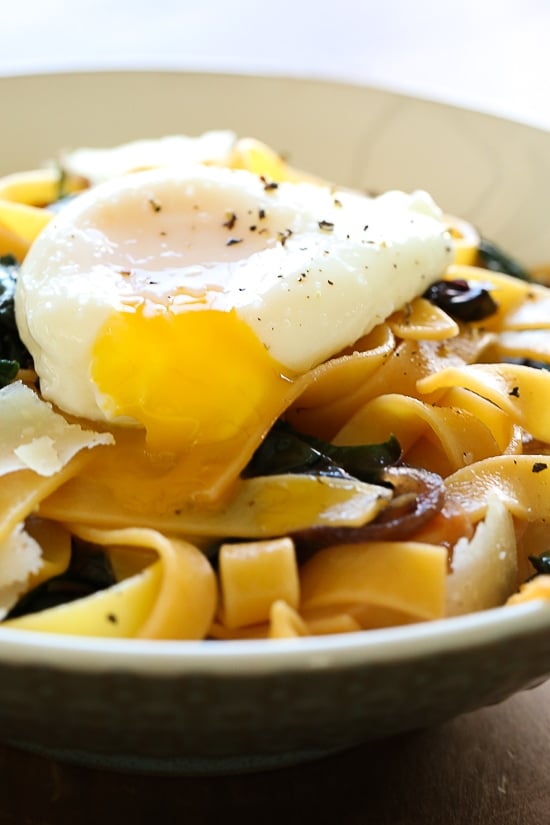
Fettuccini with Winter Greens and Poached Egg
www.skinnytaste.com · 20 min

Penne alla Vodka
www.onceuponachef.com · 45 min
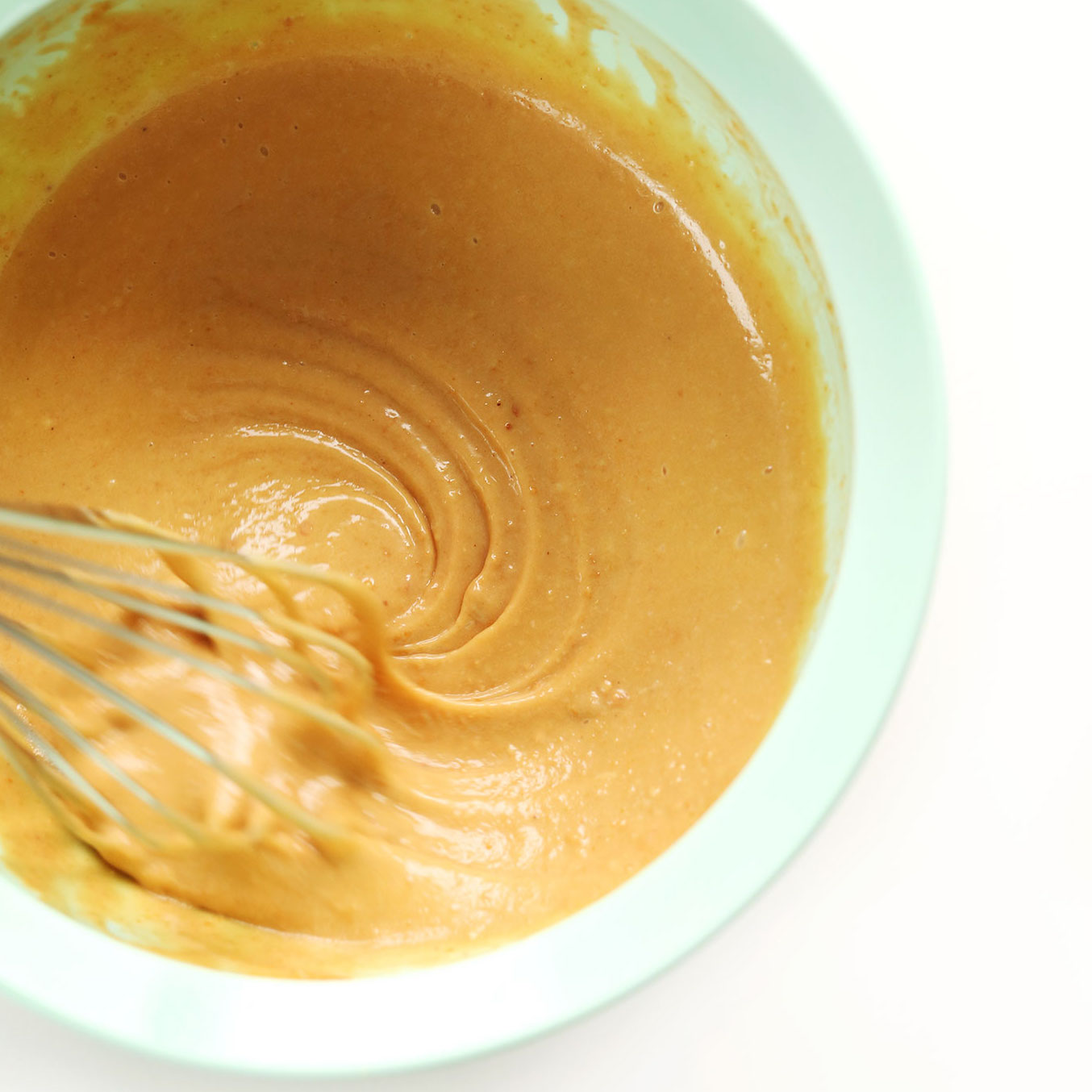
5-Ingredient Peanut Sauce
minimalistbaker.com · 5 min

Instant Pot Chipotle Chicken Bowls with Cilantro Lime Quinoa
www.skinnytaste.com · 35 min

Vietnamese Summer Rolls
www.onceuponachef.com · 45 min
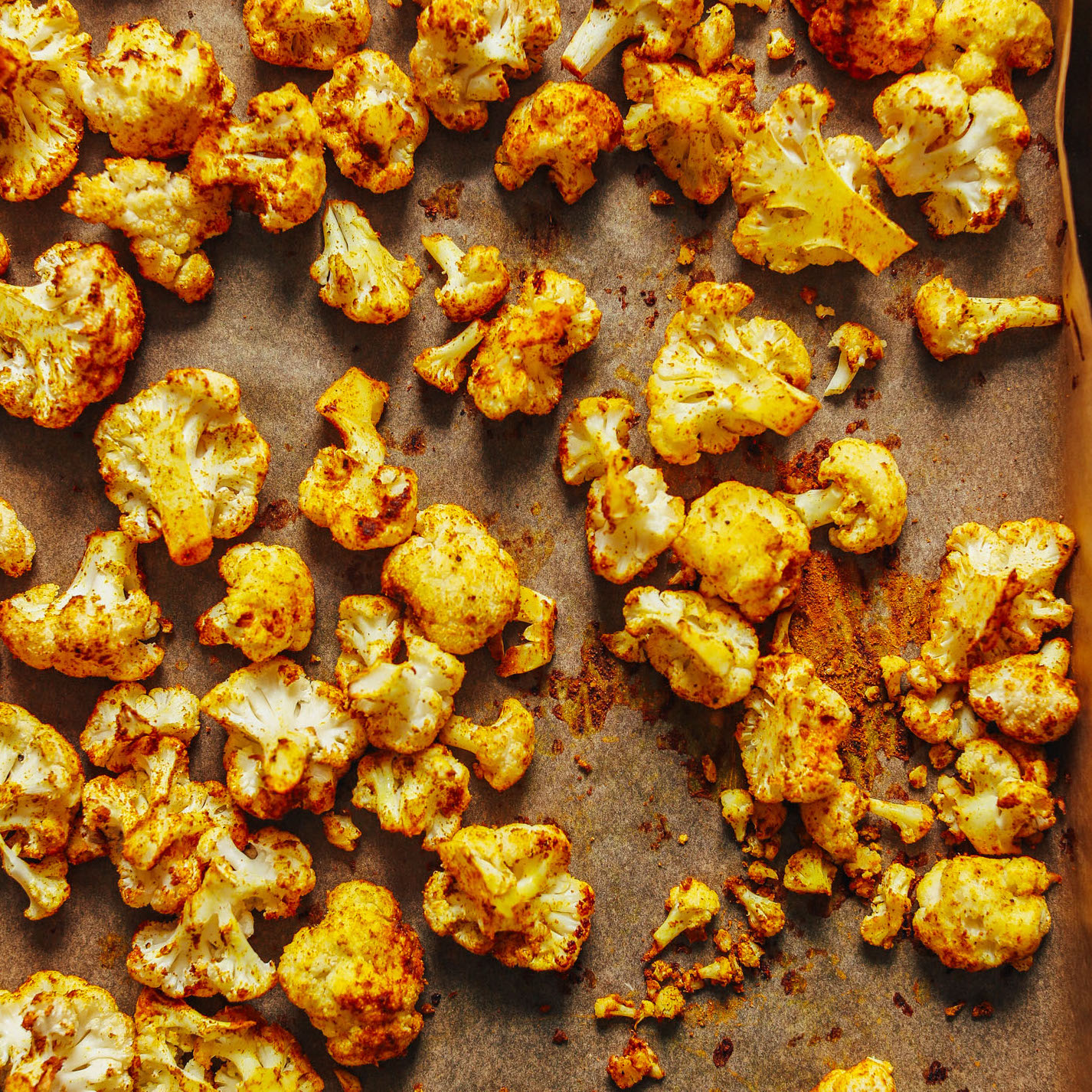
How to Roast Cauliflower
minimalistbaker.com · 40 min

Pickle Ham and Swiss Chicken Roll Ups (Cuban Chicken)
www.skinnytaste.com · 35 min
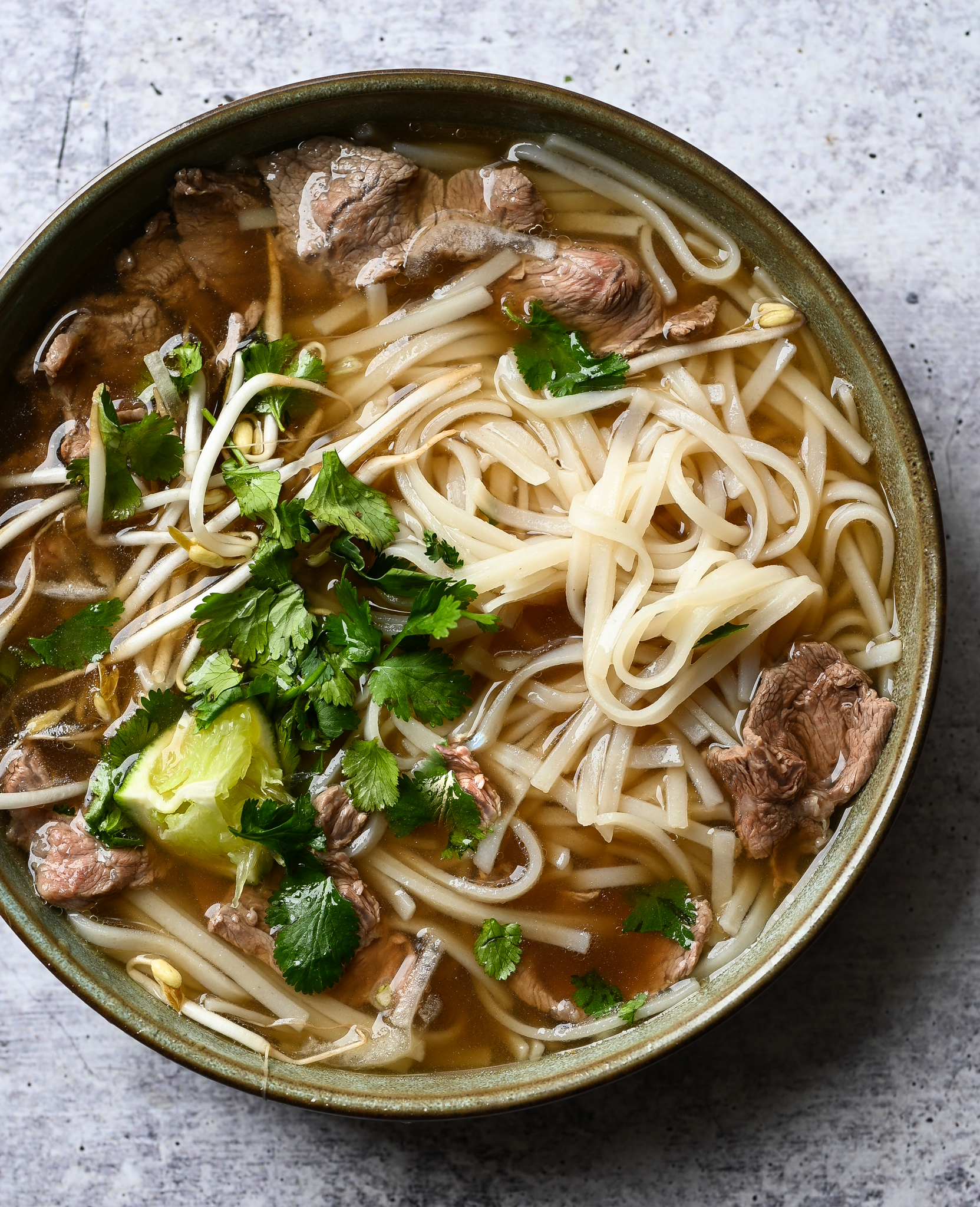
Quick & Easy Pho
www.onceuponachef.com · 45 min
How to Roast Garlic
minimalistbaker.com · 65 min

Delightfully Baked Apples
www.skinnytaste.com · 35 min
Related terms
- CrustaceansCrustaceans are shellfish with jointed shells, such as shrimp, crab, lobster and crayfish. They are a major allergen in both the EU and the US.
- Fish allergyA fish allergy is a reaction to proteins in finned fish such as salmon, cod and tuna. It is separate from shellfish allergy and labeled in the EU and US.
- EU 14 allergensThe EU 14 allergens are the foods that EU and UK law says must be emphasized on food labels and declared by restaurants, from gluten to lupin.
- US major allergensThe US major food allergens are nine foods that must be named on US labels, from milk, eggs and peanuts to wheat, soy and, since 2023, sesame.
- ShuckTo shuck is to remove a shell, husk or pod, most often prying open oysters and clams, stripping the husks from corn, or popping peas and beans from pods.
- PaellaPaella is a Spanish rice dish cooked in a wide, shallow pan with saffron, stock and meat or seafood. See how to get the crisp bottom called socarrat.