Paring knife
A paring knife is a small knife with an 8 to 10 cm blade for peeling, trimming, coring and other detailed work. Here is how to use it safely.
Also called Vegetable knife, Petty knife.
A paring knife is a small, pointed knife with a blade about 8 to 10 cm (3 to 4 in) long. It is made for close, detailed work that a large chef's knife is too big for, often done in your hand instead of on a board. Most cooks reach for it for peeling, trimming and cutting small things. The Japanese petty knife does similar work but is usually a little longer, about 12 to 15 cm (5 to 6 in).
How to use it
On a board, use it like any knife, with a pinch grip and your free hand in a claw. In the hand, which is where it is most useful:
- Hold the food in your free hand, with your thumb on top and clear of the blade's path.
- Hold the knife with your fingers around the handle and your thumb free.
- Draw the blade toward your thumb with small, controlled strokes, stopping before it reaches your skin.
Good jobs for it:
- Peel apples, pears and potatoes, and trim the ends off beans.
- Core tomatoes and apples, and hull strawberries.
- Devein shrimp (prawns in the UK).
- Cut citrus into segments.
- Score the skin of meat or bread, and check if potatoes are cooked through.
How to store it
Keep it in a knife block, a magnetic strip or a blade guard. A paring knife loose in a drawer is easy to grab by the blade. Wash by hand, dry right away and sharpen it like a larger knife.
Common mistakes
- Using it for big jobs such as cutting onions or squash. The short blade has no room to work, and you push too hard.
- Cutting toward your palm or fingers without control. Use small strokes and keep your thumb out of the path.
- Letting it go dull because it is cheap. A dull paring knife slips off round, smooth food like apples and tomatoes.
- Cutting on a plate. It dulls the edge fast.
In recipes
"With a small knife" or "with a sharp paring knife" in a recipe means a task such as trimming, peeling or scoring that needs control more than power.
Recipes made with it
20 recipes from the sites we collect.
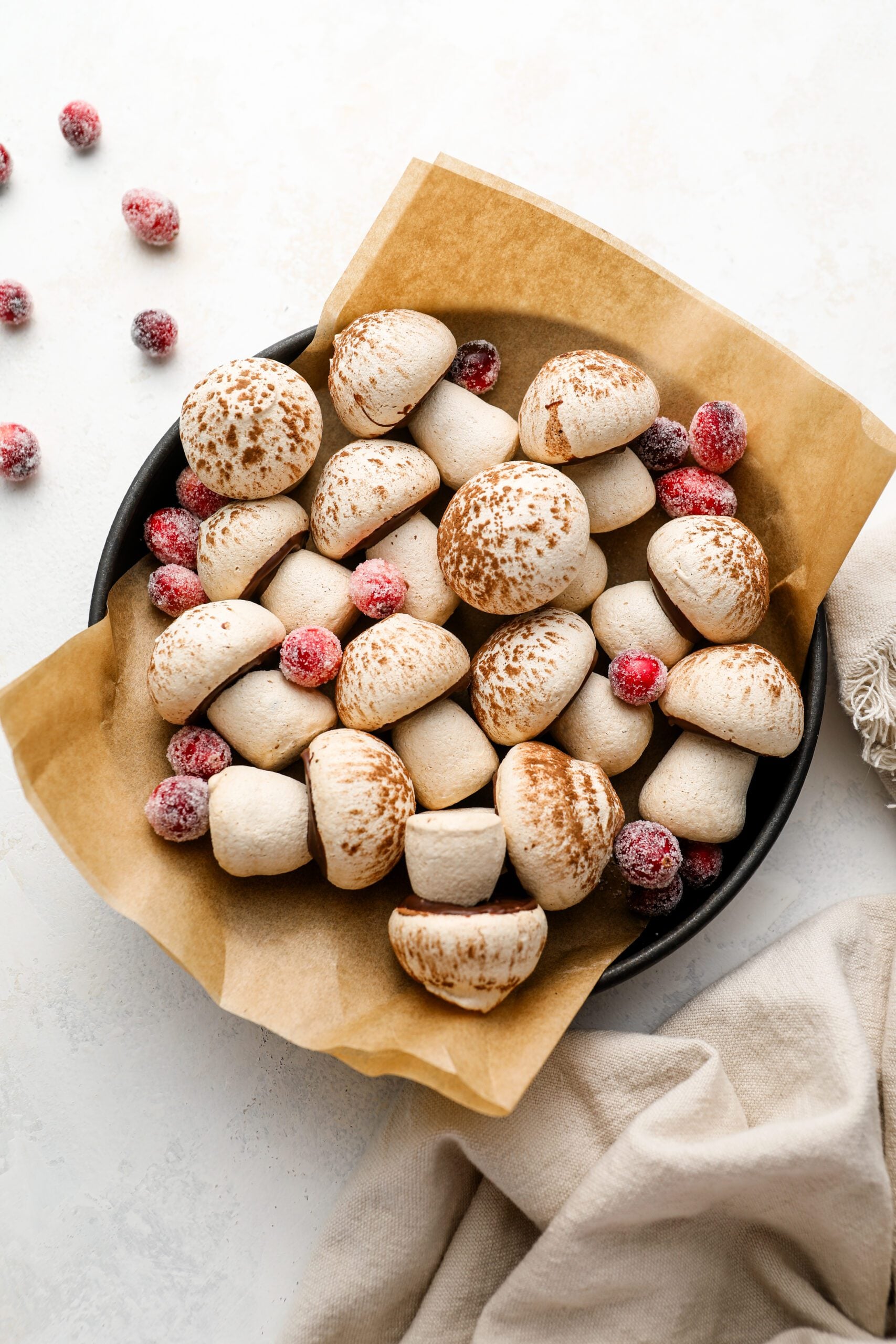
Meringue Mushrooms
www.onceuponachef.com · 120 min

Pumpkin Cheesecake
www.onceuponachef.com · 120 min

Air Fryer Sweet Plantains
www.skinnytaste.com · 30 min
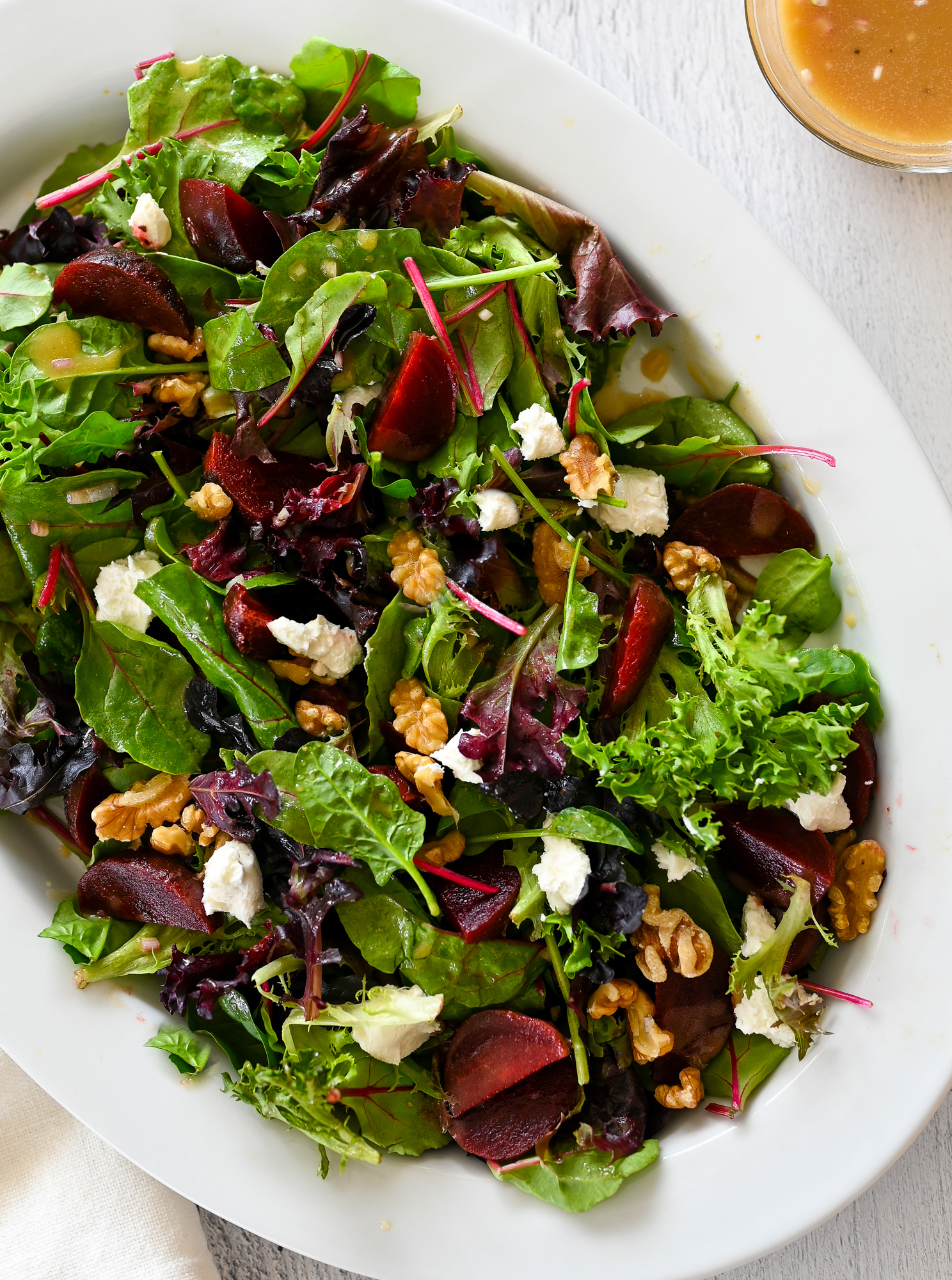
Roasted Beet Salad with Walnuts, Goat Cheese & Honey-Dijon Vinaigrette
www.onceuponachef.com · 20 min

Pepperoni Pizza Bites
www.skinnytaste.com · 40 min
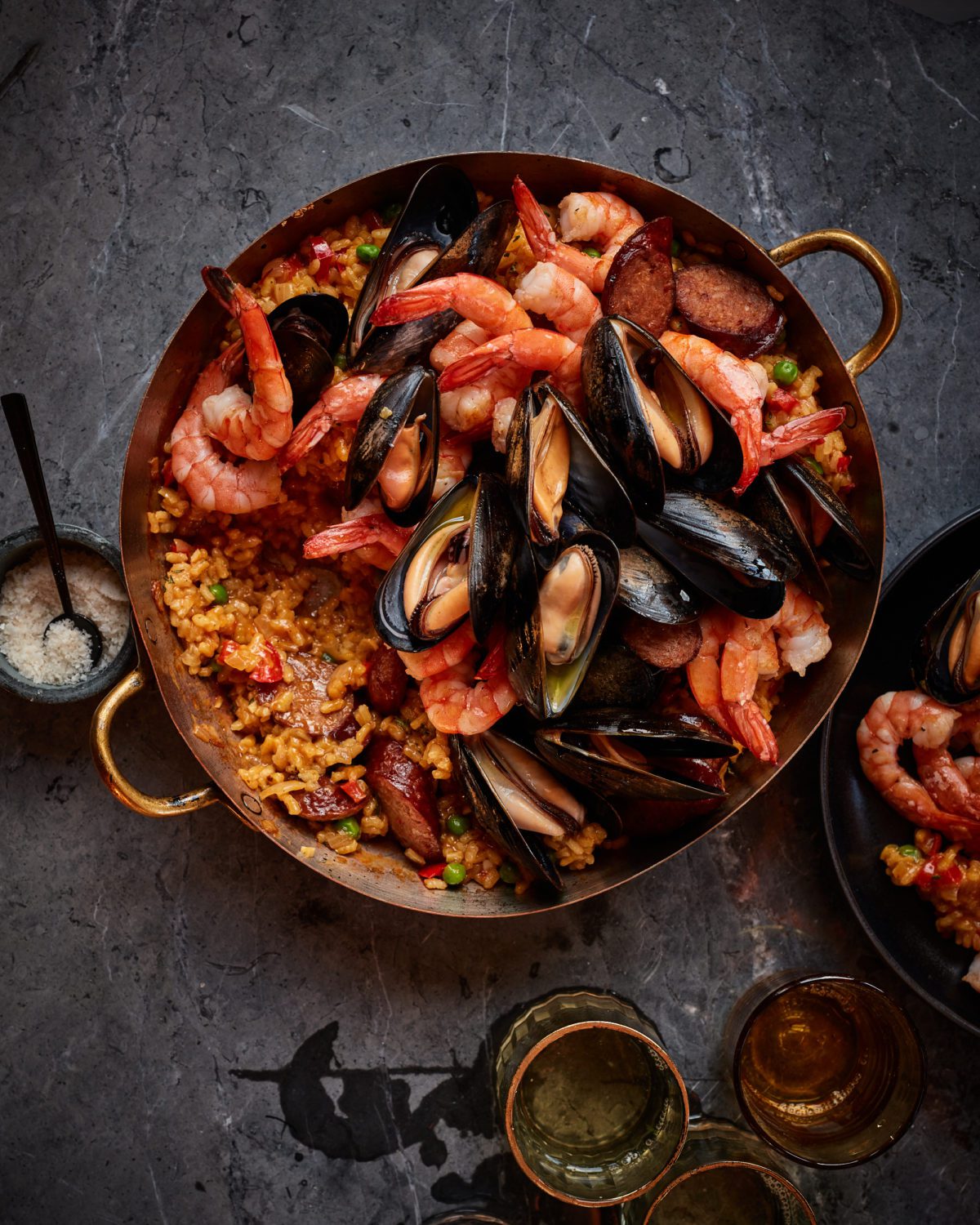
Spanish Paella
www.onceuponachef.com · 105 min
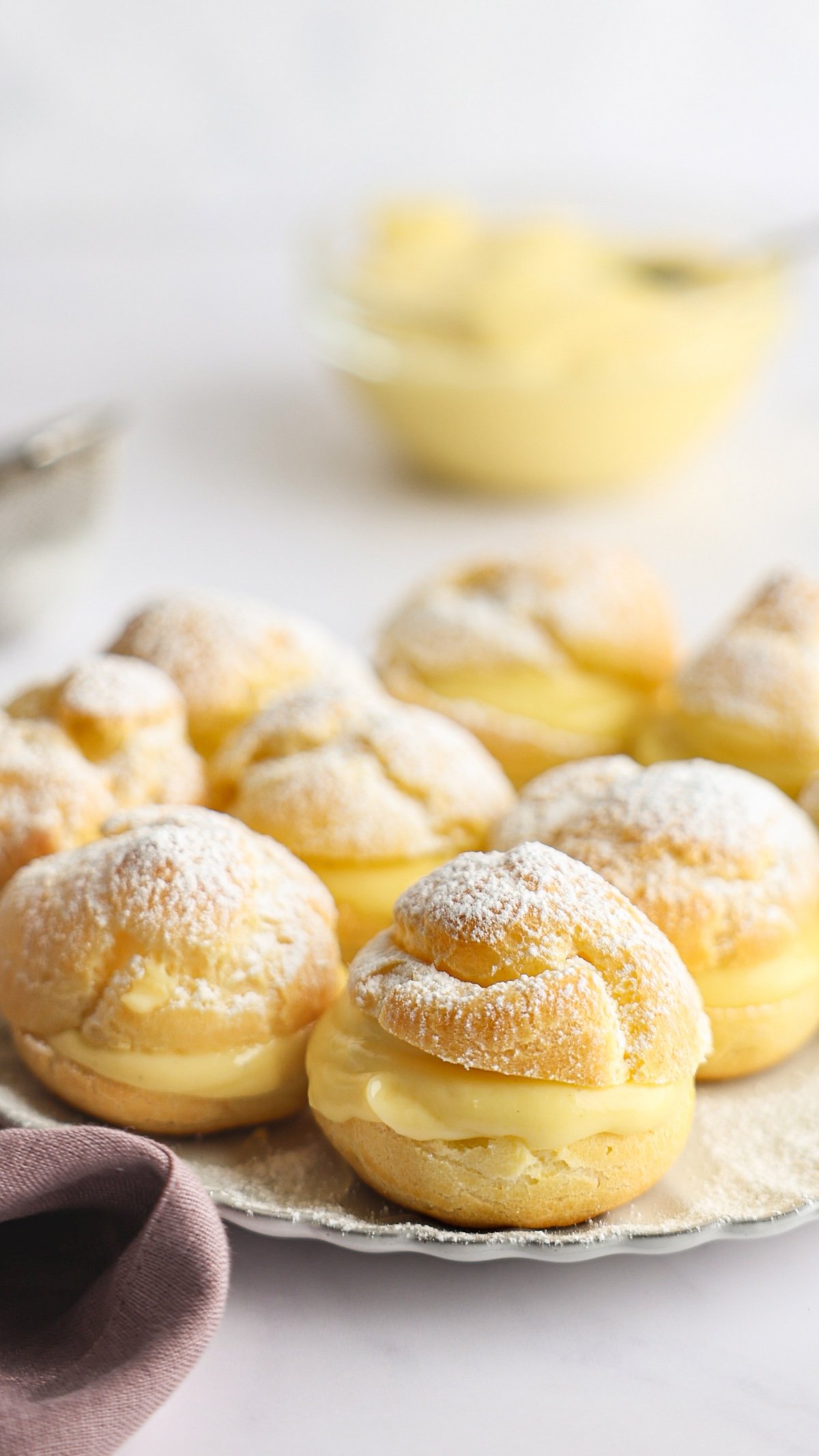
Cream Puffs
www.onceuponachef.com · 95 min

Chocolate Tart
www.onceuponachef.com · 90 min

Delightfully Baked Apples
www.skinnytaste.com · 35 min

Oven-Steamed Mussels with Garlic and White Wine
www.onceuponachef.com · 35 min

Pigs in a Blanket with Spicy Honey Mustard Sauce
www.onceuponachef.com · 65 min

Grilled Crab Legs
www.skinnytaste.com · 30 min
Related terms
- Chef's knifeA chef's knife is the all-purpose kitchen knife, with a wide 20 cm (8 in) blade for chopping, slicing and mincing. Here is how to hold it.
- PeelTo peel is to remove the skin or rind from fruit and vegetables with a peeler, a knife, your fingers or a quick blanch, keeping as much flesh as you can.
- CoreTo core is to cut out the tough center of a fruit or vegetable, such as the seeds of an apple, the stem of a tomato or the heart of a cabbage.
- HullTo hull a strawberry is to remove its green leafy cap and the hard white core under it. The word also means taking the outer husk off seeds and grains.
- DeveinTo devein shrimp is to cut along the back and pull out the dark intestinal tract, which can be gritty and looks unappealing in the cooked dish.
- SegmentA citrus segment is one of the natural wedges inside an orange, lemon or grapefruit. To segment is to separate them, with or without their thin skin.