Pickle
To pickle is to preserve food in an acidic liquid, either vinegar or a salty brine that ferments. Quick fridge pickles are ready in an hour or less.
Also called Pickling, Pickled, Quick pickle.
To pickle means to preserve food by making it acidic. There are two main ways. Vinegar pickles are covered in a hot or cold vinegar brine. Fermented pickles sit in a salty brine until bacteria make their own acid, as in lacto-fermentation. Cucumbers are the best known, but onions, carrots, beets, chilies, eggs and fruit are pickled too. In the UK, "pickle" can also mean a chunky, sweet chutney-like relish.
How to do it
A quick fridge pickle:
- Slice vegetables, such as red onion, cucumber, carrot or radish, and pack them into a clean jar.
- Heat 250 ml (1 cup) of vinegar, 250 ml (1 cup) of water, 1 tablespoon of salt and 1 to 2 tablespoons of sugar until dissolved.
- Add spices such as peppercorns, mustard seed, dill, garlic or chili.
- Pour the hot liquid over the vegetables to cover them.
- Cool, cover and refrigerate. Thin slices are ready in 30 to 60 minutes; whole or thick pieces need 1 to 3 days.
Why it works
Most harmful bacteria cannot grow in strongly acidic food. Vinegar adds acid directly. Salt draws water from the vegetables and seasons them. In fermented pickles, salt holds back spoilage microbes while lactic acid bacteria make the brine sour.
How to store it
Quick fridge pickles keep for about 1 month in the fridge. For pickles stored at room temperature, use a tested recipe and process the jars by water bath canning in sterilized jars. Use vinegar with at least 5% acidity and do not reduce the vinegar in a tested recipe, since the acid is what keeps it safe.
Common mistakes
- Diluting the vinegar more than a tested canning recipe allows.
- Using iodized table salt, which can cloud the brine. Pickling, kosher or fine sea salt without additives works better.
- Using reactive pots such as aluminum or copper for the hot brine.
- Pickling soft, overripe vegetables, which turn mushy.
- Storing quick pickles at room temperature.
In recipes
"Quick-pickled" or "refrigerator pickles" means vinegar pickles kept in the fridge. "Pickled red onions" usually means a quick vinegar pickle of thinly sliced onion.
Recipes that use this technique
14 recipes from the sites we collect.

Grilled Shrimp Tacos with Peach Salsa
www.skinnytaste.com · 35 min
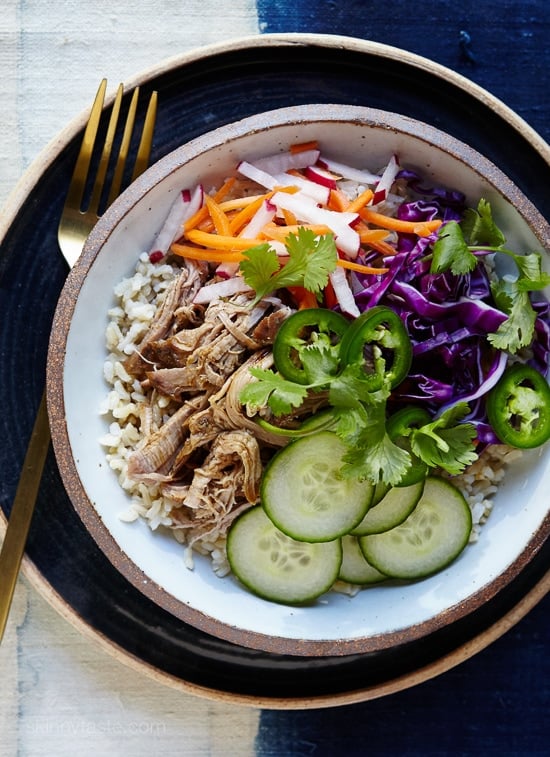
Slow-Cooker Banh Mi Bowl Recipe
www.skinnytaste.com · 375 min

German Potato Salad
www.onceuponachef.com · 40 min

Black Bean Shrimp Salad with Corn & Pickled Onions
www.onceuponachef.com · 35 min

Bread and Butter Pickles
www.onceuponachef.com · 25 min

Liz's Bistro Salad
pinchofyum.com · 45 min

Red Chile Tostadas with Eggs
pinchofyum.com · 20 min

Pickled Red Onions
www.onceuponachef.com · 25 min

Greek Salad
www.onceuponachef.com · 30 min
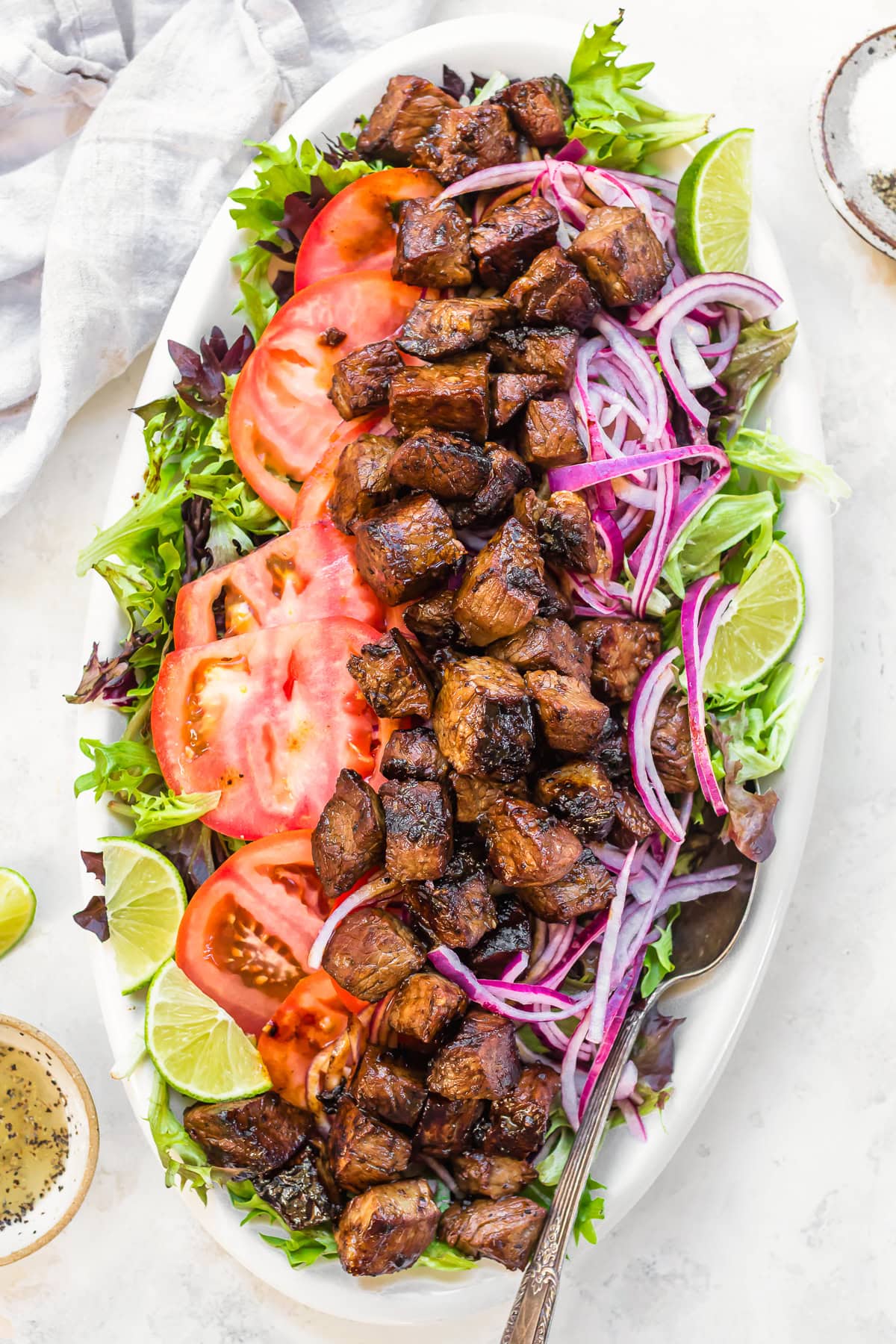
Vietnamese Shaking Beef (Bo Luc Lac)
www.skinnytaste.com · 90 min

Sticky Ginger Rice Bowls with Pickled Veg and Mango
pinchofyum.com · 35 min

Arugula Salad with Grapes and Black Pepper Vinaigrette
pinchofyum.com · 20 min
Related terms
- Lacto-fermentationLacto-fermentation preserves vegetables with salt and the lactic acid bacteria on them. It makes sauerkraut, kimchi and sour pickles with no vinegar.
- BrineA brine is salt dissolved in water. Soaking meat in it for hours makes it juicier and seasons it through. Here are the ratios, times and safety rules.
- AcidAcid is the sour taste from lemon, vinegar, wine, tomatoes and yogurt. A splash at the end brightens a flat dish and balances salt, fat and sweetness.
- Water bath canningWater bath canning preserves high-acid foods like jam, pickles and acidified tomatoes by boiling sealed jars. It is not safe for low-acid foods.
- Sterilize jarsSterilizing jars means heating clean glass jars to kill microbes before you fill them with jam or pickles. Boiling them for 10 minutes is the tested way.
- MacerateTo macerate is to soak fruit in sugar, alcohol or juice so it softens and releases its own syrup. It takes 15 minutes to a few hours and needs no heat.