Proof
To proof is to let shaped dough rise one last time before baking. Use the poke test to tell when bread is ready, underproofed or overproofed.
Also called Proofing, Prove, Proving, Second rise.
To proof means to let a shaped bread dough rise for the last time before it goes in the oven. It comes after bulk fermentation and shaping. British recipes say "prove". The word is also used for checking that yeast is alive by mixing it with warm water and sugar.
How to do it
- Shape the dough and put it in its pan, on a tray or in a banneton dusted with flour.
- Cover it with a damp towel, an upturned bowl or a loose bag, so the surface does not dry out.
- Leave it somewhere warm, ideally 24 to 27°C (75 to 80°F). A turned-off oven with the light on often works.
- A yeasted loaf usually needs 45 to 90 minutes. Sourdough often needs 2 to 4 hours, or a night in the fridge.
- Heat the oven well before the dough is ready.
How to tell it is done
Use the poke test. Flour a finger and press it about 1 cm (½ inch) into the dough.
- Springs back fast and fully: underproofed. Wait 15 to 30 minutes more.
- Springs back slowly and leaves a small dent: ready to bake.
- Does not spring back at all, or the dough sags: overproofed.
The dough should also look puffy and be about 1.5 to 2 times its shaped size.
Why it works
Shaping pushes out much of the gas and tightens the dough. During the proof the yeast fills it with gas again, and the gluten relaxes so it can stretch. A well-proofed dough still has enough strength and food left for the yeast to give a strong oven spring.
Common mistakes
- Proofing by the clock instead of the dough. A cold kitchen can double the time.
- Too hot a spot. Above about 35°C (95°F) the dough rises fast but tastes flat, and butter in rich doughs melts.
- Leaving it uncovered. A dry skin forms and the loaf cannot expand.
- Overproofing. The loaf collapses when you score it and bakes flat. Reshape it gently and give it a short second proof.
In recipes
"Let rise until puffy" or "proof until almost doubled" both mean this step. "Cold proof" or "retard" means proofing in the fridge, usually overnight.
Recipes that use this technique
22 recipes from the sites we collect.

Pretzel Bites
www.onceuponachef.com · 40 min

Life-Changing Crispy Fried Pizzas
pinchofyum.com · 80 min
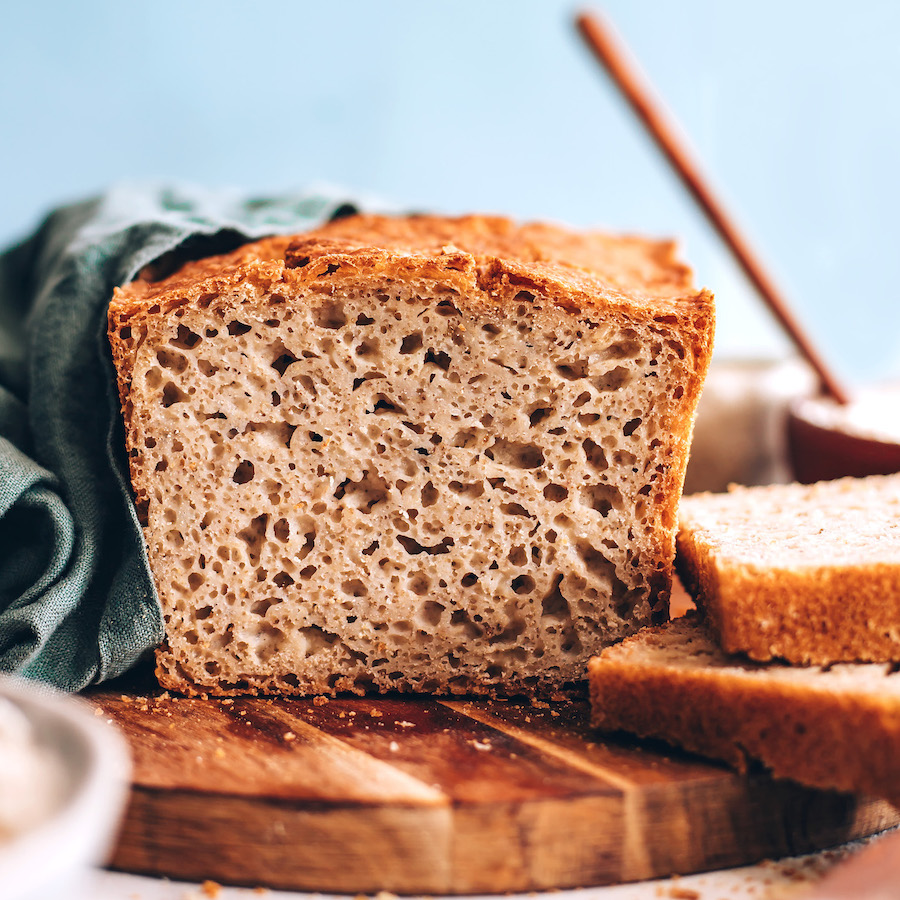
The BEST Gluten-Free Bread (No-Knead!)
minimalistbaker.com · 165 min

Espresso Glazed Vegan Donuts (No Pan Required)
minimalistbaker.com · 160 min

Overnight Honey Wheat Cinnamon Rolls
minimalistbaker.com · 540 min

Easy Homemade Wheat Bread
minimalistbaker.com · 110 min

The World's Easiest Cinnamon Rolls
minimalistbaker.com · 115 min

Vegan Cinnamon Roll Pancakes
minimalistbaker.com · 125 min

Vegan Pesto Parmesan Breadsticks
minimalistbaker.com · 32 min

Caramel Rolls with Apples and Walnuts
pinchofyum.com · 140 min
Related terms
- Bulk fermentationBulk fermentation is the first rise, when bread dough ferments in one mass before shaping. It builds flavor and strength. Here is how to judge it.
- Oven springOven spring is the fast rise a bread loaf makes in its first minutes in a hot oven. Good proofing, scoring and steam give a tall loaf with an open crumb.
- BannetonA banneton is a basket that holds shaped bread dough during its final rise, keeping its shape and leaving a floury spiral on the crust.
- Until doubled in sizeUntil doubled in size means let yeast dough rise until it is twice as big as when you started. Here is how to judge it and why the clock is only a guide.
- ScoreTo score is to make shallow cuts in the surface of food, such as duck skin, fish, pork rind or bread dough, to help it cook evenly, crisp and look neat.
- YeastYeast is a living fungus that makes bread rise. Fresh, active dry and instant yeast explained, with conversions, temperatures and what goes wrong.