Ricotta
Ricotta is a soft, mild Italian fresh cheese with a light, grainy texture. Use it in lasagna, pasta fillings, pancakes and cakes, or make your own.
Also called Ricotta cheese.
Ricotta is a soft, fresh Italian cheese. The name means "cooked again", because it was first made by reheating the whey left over from making other cheeses until the last proteins formed small curds. Most ricotta sold today is made from whole milk or a mix of milk and whey. It is white, moist and lightly grainy, with a mild, milky, slightly sweet taste.
How to do it
To make about 250 g (1 cup) at home:
- Heat 1 liter (4 cups) of whole milk with ½ teaspoon salt to about 85°C (185°F), just before it boils. Stir now and then so it does not catch.
- Take it off the heat and stir in 3 tablespoons of lemon juice or white vinegar. Stir once or twice only.
- Leave it for 10 minutes. Curds will separate from a thin, yellow-green whey.
- Spoon the curds into a sieve lined with cheesecloth and drain for 10 minutes for soft ricotta, or up to an hour for firm.
How to use it
- Fill lasagna, cannelloni, ravioli and stuffed shells, mixed with egg, Parmesan and herbs.
- Make ricotta gnocchi, light pancakes or cheesecake.
- Spread it on toast with honey, or spoon it onto pizza and pasta just before serving.
For fillings, drain bought ricotta in a lined sieve in the fridge for a few hours or overnight, or it can make pasta soggy.
Substitutes
- Cottage cheese, blended briefly or pushed through a sieve. It is saltier and wetter.
- In Sweden, kesella or kvarg. They are smoother and tangier, but work in fillings and cakes.
- Mascarpone for desserts, though it is much richer.
How to store it
Keep it in the fridge and use an opened tub within 3 to 5 days. Throw it out if it smells sour, turns yellow or has a slimy surface. Ricotta can be frozen for cooking, but it becomes grainier when thawed.
Common mistakes
- Using it straight from the tub in fillings. The extra water seeps out in the oven.
- Boiling the milk hard when making it. The curds turn tough and rubbery.
Recipes that use it
24 recipes from the sites we collect.

Roasted Garlic and White Bean Lasagna Soup
pinchofyum.com · 80 min

Jumbo Butternut Squash Ravioli with Kale Pesto
pinchofyum.com · 30 min

Cheesy Meatball Pull-Apart Pizza Ring
pinchofyum.com · 30 min

Instant Pot Pasta with Meatballs
pinchofyum.com · 10 min

Millionaire Gnocchi with Red Sauce, Herbed Ricotta, and Golden Crispies
pinchofyum.com · 75 min

Baked Mozzarella Chicken Rolls
pinchofyum.com · 60 min

Sweet Potato Gnocchi with Broccoli Rabe and Garlic Sage Butter Sauce
pinchofyum.com · 40 min

Strawberry Blinchke Crepes
pinchofyum.com · 45 min

Asparagus Quesadilla Lasagna
pinchofyum.com · 25 min

Sun Dried Tomato Dill Linguine
pinchofyum.com · 20 min

Farmer's Market Pasta
pinchofyum.com · 35 min
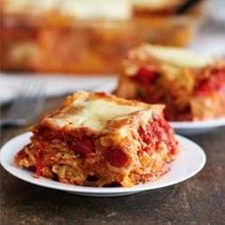
Whole Wheat Roasted Veggie Lasagna
pinchofyum.com · 90 min
Related terms
- MascarponeMascarpone is a rich, mild Italian cream cheese used in tiramisu, cheesecake and pasta sauces. How to use it without it turning grainy, and swaps.
- KesellaKesella is a smooth, mild Swedish fresh cheese like quark, used in cheesecakes, dips and breakfasts. What it is like and what to use instead abroad.
- CheeseclothCheesecloth is a loose cotton gauze for straining stock, draining yogurt and cheese, and tying herb bundles. Here is how to use it and what to use instead.
- KvargKvarg is Swedish quark, a thick, high-protein, low-fat fresh cheese eaten with berries and used in baking. What to use instead outside Sweden.
- GnocchiGnocchi are soft Italian dumplings, most often made from potato and flour, boiled until they float. See how to keep them light instead of gluey.