Rolling pin
A rolling pin is a smooth cylinder for rolling out pastry, cookie and pasta dough to an even thickness. Here is how to use one and which type to pick.
Also called French rolling pin, Dowel rolling pin.
A rolling pin is a smooth cylinder, usually wood, used to flatten dough. It rolls out pie and tart pastry, cookie dough, pasta and flatbreads to an even thickness. It is also handy for crushing crackers, cookies and nuts in a bag, and for pounding meat thin.
How to do it
- Chill butter-rich dough such as shortcrust pastry until firm but not hard. Let it rest so the gluten relaxes.
- Dust the counter and the pin lightly with flour.
- Start in the middle of the dough and roll away from you, then back to the middle and toward you. Ease off the pressure near the edges so they do not get too thin.
- Give the dough a quarter turn after every few rolls. If it sticks, slide a bench scraper under it and add a little flour.
- Roll until it is the thickness the recipe asks for, usually 3 mm (1/8 in) for pastry.
- To move it, roll the dough loosely around the pin and unroll it over the pan.
How to use it
Types:
- Straight dowel, a plain cylinder of even width, about 4 to 5 cm (1.5 to 2 in) across. It gives the most even pressure and is good for large sheets of dough.
- French tapered, thicker in the middle and thin at the ends. It is easy to steer and to roll rounds.
- Rolling pin with handles, a heavy barrel on a center rod. It does much of the work by its weight.
- Marble stays cool, which helps with butter-rich dough and laminated pastry such as puff pastry.
How to store it
Wipe a wooden pin with a dry or barely damp cloth and dry it at once. Do not soak it or put it in the dishwasher, because wood swells and cracks. Store it where it will not roll off a shelf.
Common mistakes
- Pressing too hard. It squeezes out butter and makes tough, uneven pastry.
- Rolling back and forth in one direction only. The dough gets long and narrow instead of round.
- Using too much flour. It makes pastry dry and tough. Brush off any extra.
- Flipping the dough over often. It picks up flour each time.
In recipes
"Roll out to 3 mm (1/8 in)" gives the target thickness. If you have no rolling pin, a straight-sided wine bottle works.
Recipes made with it
87 recipes from the sites we collect.
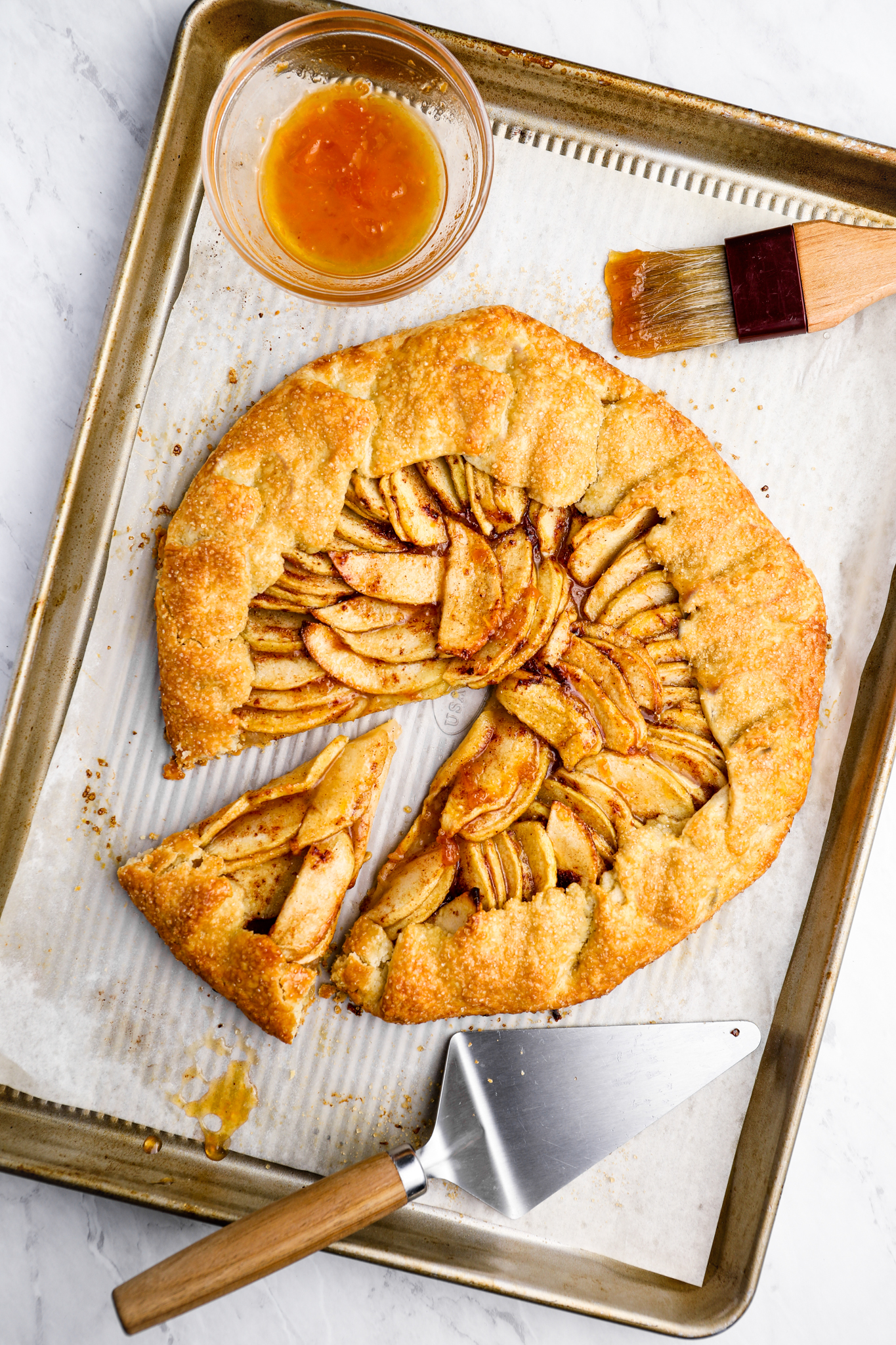
French Apple Tart
www.onceuponachef.com · 90 min

Brownie Pie
www.onceuponachef.com · 70 min

Palmiers
www.onceuponachef.com · 30 min

Gingerbread Cookies
www.skinnytaste.com · 150 min

Pizza Sausage Rolls
www.skinnytaste.com · 50 min

Veggie Stromboli
www.skinnytaste.com · 55 min
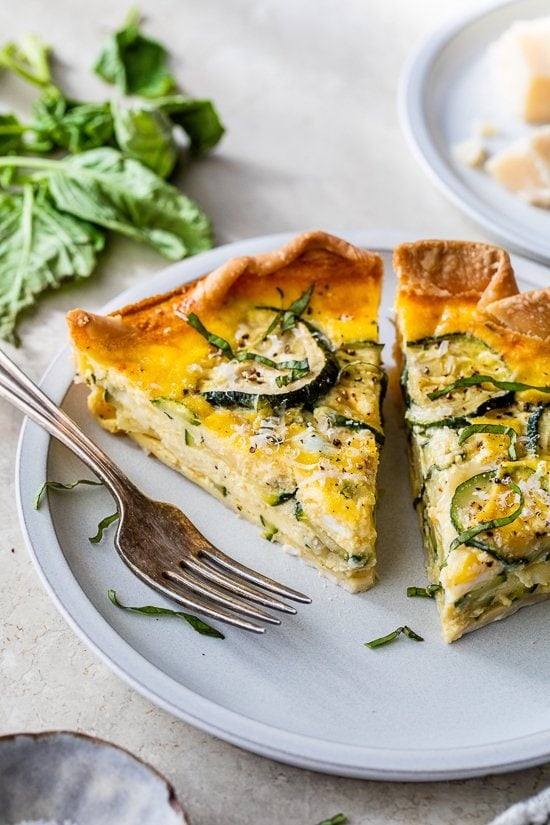
Zucchini Quiche
www.skinnytaste.com · 90 min

Plum Galette
www.onceuponachef.com · 90 min
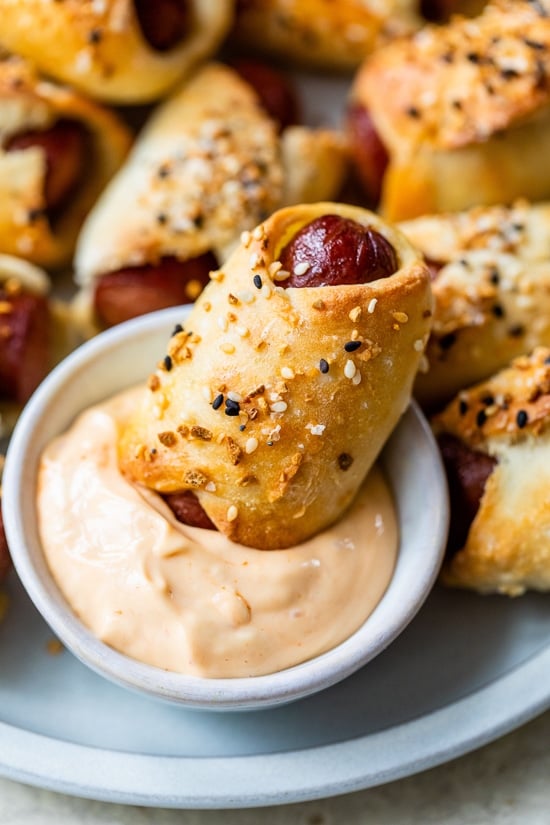
Everything Bagel Pigs in a Blanket
www.skinnytaste.com · 55 min

Jamaican Beef Patties
www.skinnytaste.com · 120 min

Cherry Pie
www.onceuponachef.com · 130 min
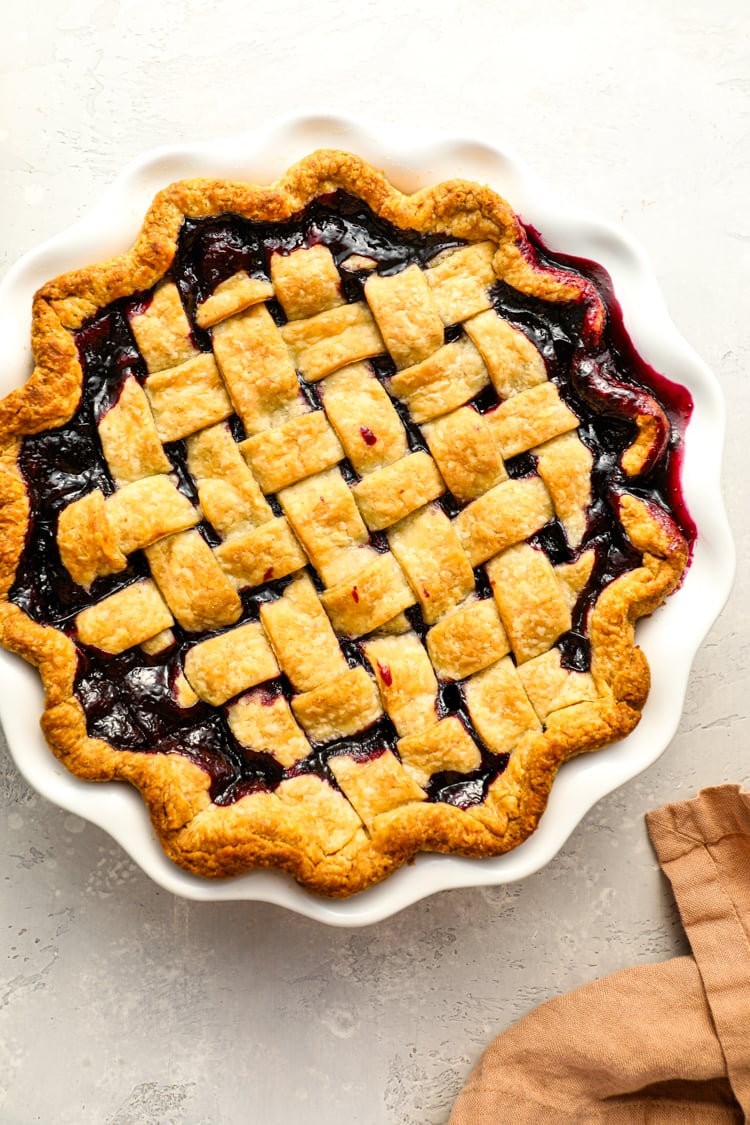
Blueberry Pie
www.onceuponachef.com · 130 min
Related terms
- Shortcrust pastryShortcrust pastry is a crumbly, tender pastry of flour, fat and a little water, used for pies, tarts and quiche. Here is the ratio and how to make it.
- Puff pastryPuff pastry is a dough folded with butter into hundreds of thin layers that rise into a crisp, flaky pastry. Here is how to bake it tall and crisp.
- LaminateTo laminate is to fold a slab of butter into dough and roll it out again and again, making hundreds of thin layers for croissants and puff pastry.
- CrushTo crush is to break food apart with pressure instead of a clean cut, as with garlic under a knife blade or spices in a mortar, to release more flavor.
- RestTo rest is to leave a dough, batter or cooked meat alone for a while before the next step. It relaxes gluten, hydrates flour and keeps juices in.