Sauté
To sauté is to cook small pieces of food quickly in a little hot fat over fairly high heat, tossing or stirring so they brown lightly and cook evenly.
Also called Saute, Sautéed, Sauteed, Sautéing.
To sauté is to cook food quickly in a small amount of hot fat over medium-high heat, moving it often. The pieces are small or thin, so they cook through in the time it takes to brown them. Sauter means to jump in French, after the way cooks toss food in the pan. It is used for onions, mushrooms, greens, shrimp and sliced meat.
How to do it
- Cut the food into even, bite-sized pieces and dry it well.
- Heat a wide pan, such as a skillet or sauté pan, over medium-high heat.
- Add a thin film of oil or a mix of oil and butter. Wait until it shimmers.
- Add the food in a single layer. Do not crowd it.
- Let it sit for 30 seconds to a minute to brown, then stir or toss.
- Keep going until it is lightly browned and just cooked through. Season near the end.
How to tell it is done
Vegetables are bright, lightly browned in spots and tender with a little bite. Onions turn soft and translucent, then golden. Mushrooms release their water, the pan dries again and they brown. Shrimp turn pink and opaque.
Why it works
Small pieces in a hot, wide pan lose surface water fast, so they brown instead of stewing. Moving them often spreads the heat so no side burns. The browned bits left in the pan can be used to deglaze for a quick sauce.
Common mistakes
- Crowding the pan. The temperature drops, water pools and the food steams.
- Heat that is too low. You end up sweating the food, which softens it without color.
- Wet vegetables. Spin or pat greens dry first.
- Stirring constantly. Give the food time to touch the pan.
- Salting mushrooms at the start. Salt draws out water and slows browning.
In recipes
"Sauté the onions until soft" usually means medium heat for 5 to 8 minutes. "Sauté until golden" means a little longer, until browned. Compared with pan-frying, a sauté uses smaller pieces and more movement. A stir-fry is hotter and faster still.
Recipes that use this technique
909 recipes from the sites we collect.

Orzo Risotto with Shrimp, Peas & Bacon
www.onceuponachef.com · 50 min

Spanakopita Baked Eggs
www.skinnytaste.com · 35 min
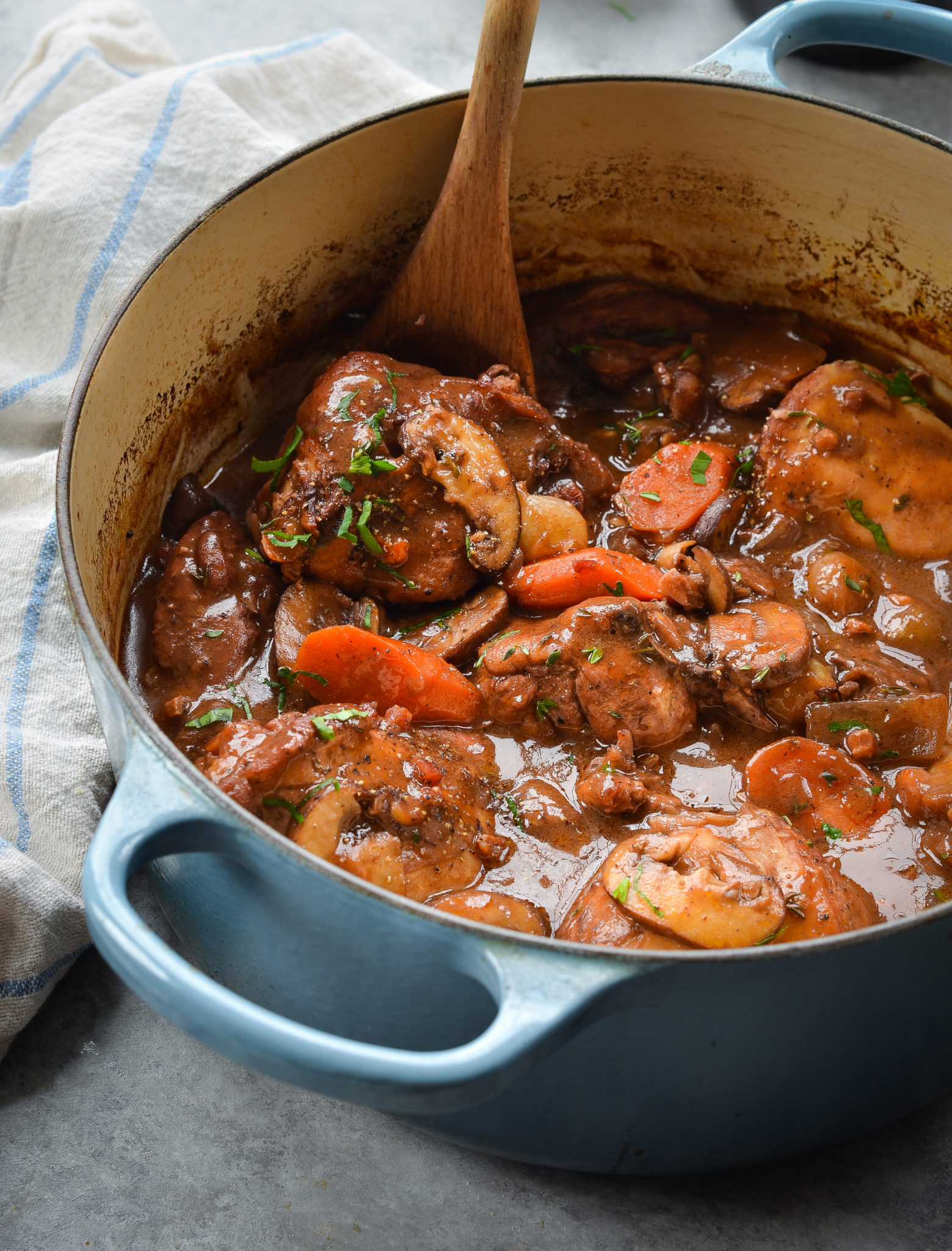
Coq au Vin
www.onceuponachef.com · 130 min
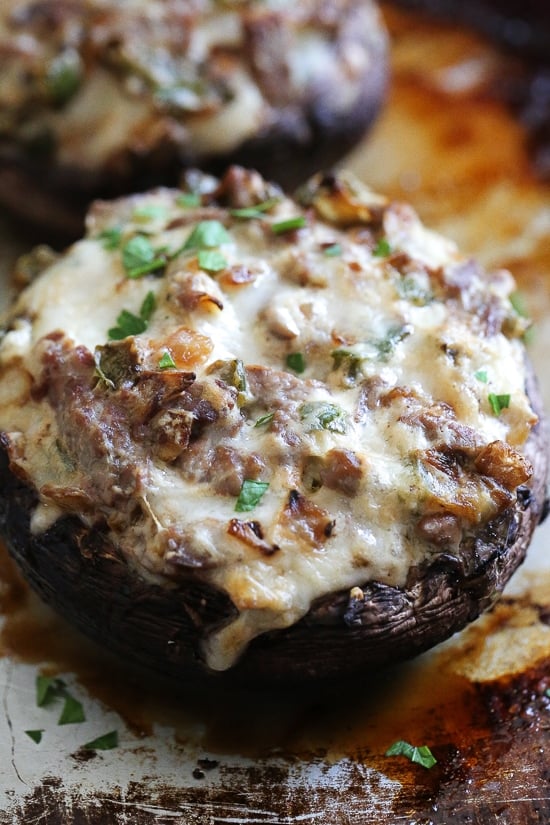
Philly Cheesesteak Stuffed Portobello Mushrooms
www.skinnytaste.com · 30 min

White Bean Scampi with Linguine
www.skinnytaste.com · 25 min

Classic French Onion Soup
www.onceuponachef.com · 120 min

Jambalaya
www.onceuponachef.com · 90 min

Zuppa Toscana
www.onceuponachef.com · 55 min

Garlic Shrimp
www.skinnytaste.com · 10 min

Panera's Broccoli Cheddar Soup
www.onceuponachef.com · 40 min

Broccoli Purée
www.onceuponachef.com

Chicken Nasi Goreng (Indonesian Fried Rice)
www.onceuponachef.com · 45 min
Related terms
- Pan-fryPan-frying cooks food in a skillet with a thin layer of hot fat over medium to medium-high heat, so it browns on each side as it cooks through.
- Stir-fryStir-frying cooks small, evenly cut pieces of food in a very hot wok with a little oil, stirring constantly so they sear and cook through in minutes.
- SweatTo sweat vegetables is to cook them gently in a little fat over low heat until soft and translucent, without browning, to bring out a mild, sweet flavor.
- Sauté panA sauté pan is a wide pan with tall, straight sides and a lid, for searing then simmering and for pan sauces. Here is how it differs from a skillet.
- Until translucentUntil translucent means cook onions or other aromatics gently until they turn soft and see-through but not brown. It takes longer than most recipes say.
- DeglazeTo deglaze is to pour liquid into a hot pan and scrape up the browned bits stuck to the bottom. Those bits become the flavor base of a quick pan sauce.