Sesame
Sesame is a seed allergen found in tahini, sesame oil, breads and spice mixes. It is labeled in the EU and has been a US major allergen since 2023.
Also called Sesame seeds, Sesame allergy, Benne seeds, Gingelly.
Sesame is a small, oil-rich seed used whole, toasted, ground into paste and pressed for oil. A sesame allergy is a reaction of the immune system to proteins in the seed, and it can be severe. Toasting and cooking do not make sesame safe for someone who is allergic to it. A doctor should diagnose the allergy and give you a plan.
Substitutes
- Tahini: sunflower seed butter, if seeds are safe for you. It works in dressings and hummus, though the flavor is different.
- Seeds on bread and buns: poppy seeds, rolled oats or pumpkin seeds.
- Toasted sesame oil: a neutral oil with a little toasted garlic or chili, for flavor rather than an exact match.
Check every substitute against the other allergies of the person you cook for.
Common mistakes
- Missing tahini in hummus, baba ghanoush, halva and many dressings and sauces.
- Missing sesame in spice blends such as za'atar, dukkah and furikake.
- Assuming sesame oil is safe. Most sesame oil used in cooking still contains sesame protein.
- Trusting old habits in the US. When sesame became a major allergen, some makers added a small amount of sesame to products and labeled it, rather than keep sesame out. Check labels on foods you used to buy.
- Forgetting burger buns, bagels, breadsticks, crackers and sushi rolls, which are often coated in seeds.
In recipes
Sesame is labeled in both the EU and the US:
- In the EU and the UK, sesame seeds are one of the 14 allergens and must be emphasized in the ingredients list.
- In the US, sesame became the ninth of the major food allergens on January 1, 2023. Since then it must be named in the ingredients or a "Contains" statement. Older labeling could cover it with words such as "spices" or "flavorings".
Sesame is common in Middle Eastern, East Asian, Indian and Mexican cooking, both as seeds and as paste or oil. If you have a sesame allergy, read labels every time you buy, ask in restaurants how dishes are made, and talk to your doctor about what to do if you eat sesame by accident.
Recipes free from it
3632 recipes from the sites we collect.

Chicken Tikka Masala Recipe
www.skinnytaste.com · 35 min

Instant Pot Refried Beans
www.skinnytaste.com · 60 min

Barbacoa Beef (Pressure Cooker or Instant Pot)
www.skinnytaste.com · 80 min

Tropical Mango Blueberry Lassi
www.skinnytaste.com · 5 min
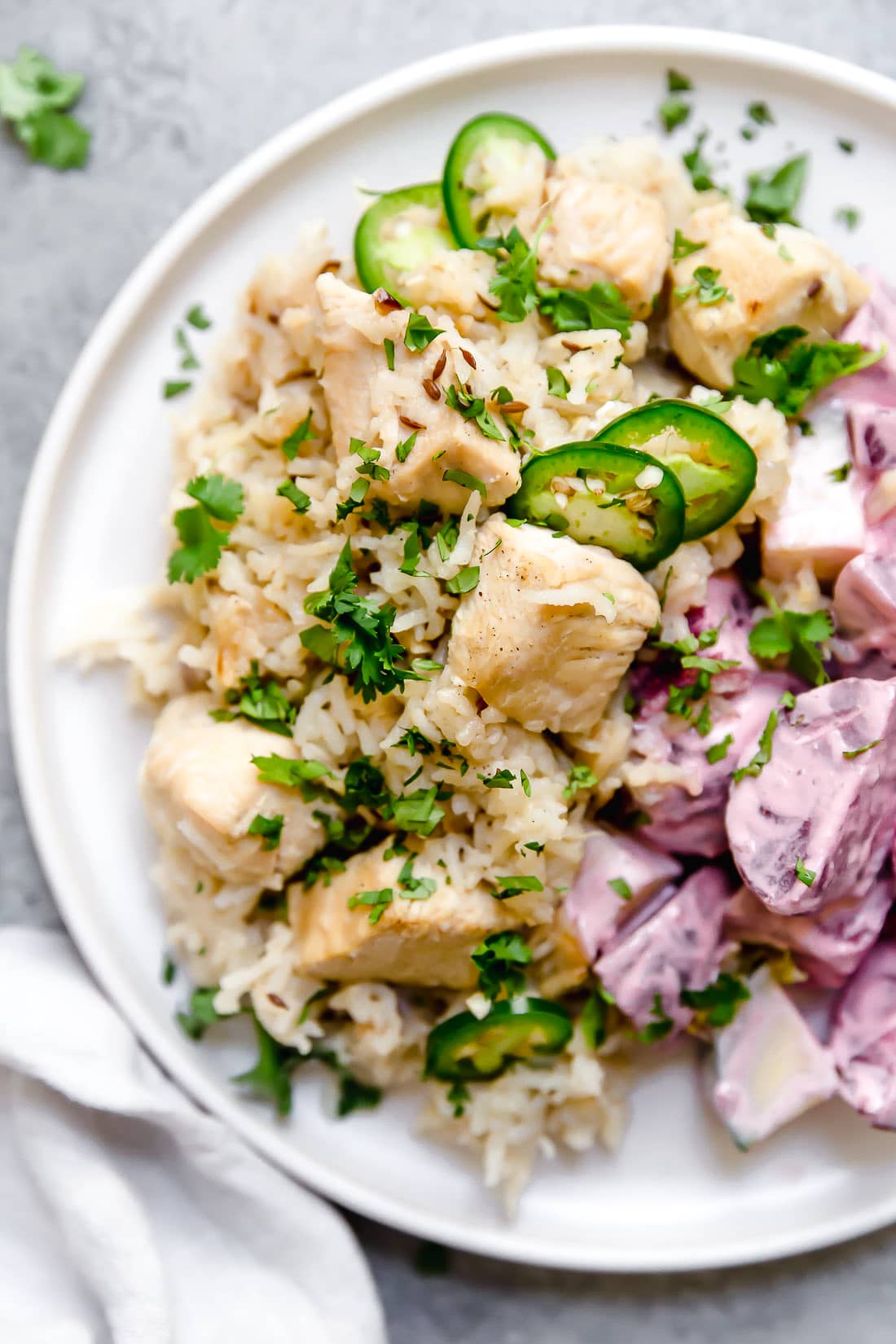
Instant Pot Indian Chicken and Rice Pulao
www.skinnytaste.com · 30 min
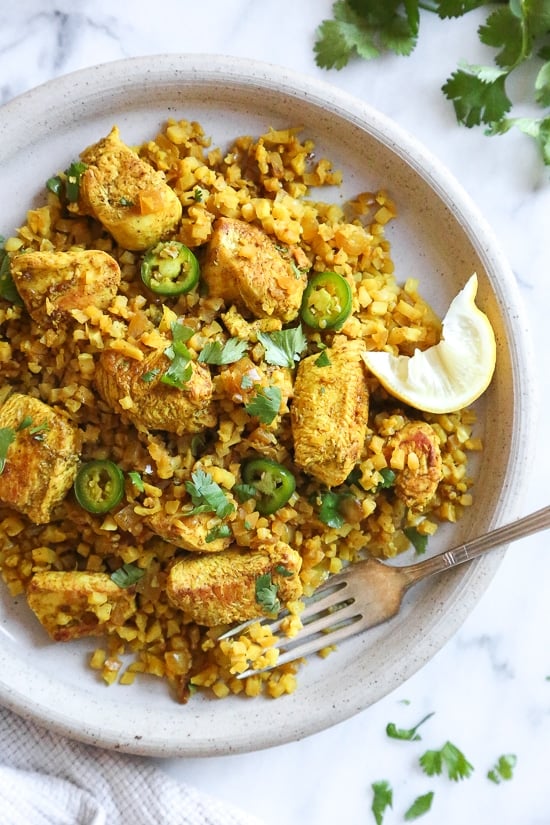
Cauliflower Rice Chicken Biryani
www.skinnytaste.com · 30 min

Salmon Tikka Masala
www.skinnytaste.com · 45 min

Roasted Red Kuri Coconut Curry Soup
www.skinnytaste.com · 100 min

Cheesecake Cupcakes
www.skinnytaste.com · 95 min

Stuffed Zucchini Boats With Sausage
www.skinnytaste.com · 70 min

Colombian-Style Zucchini Rellenos
www.skinnytaste.com · 40 min
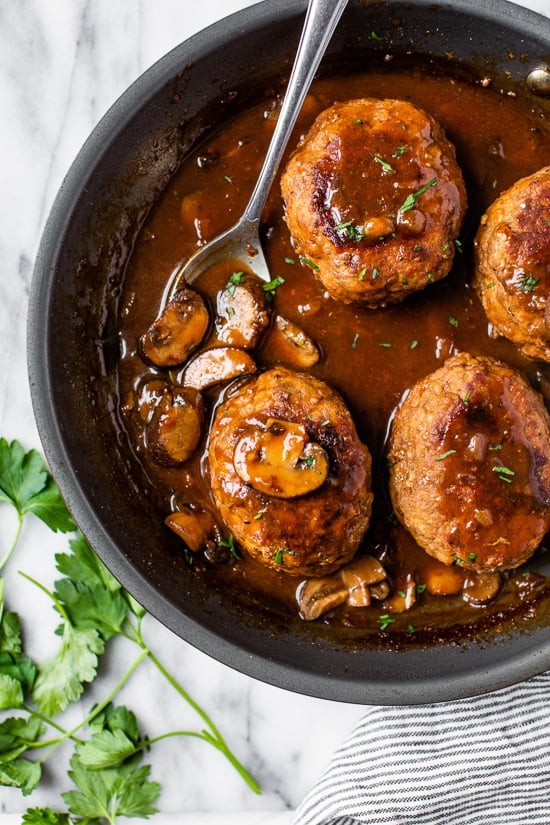
Salisbury Steak with Mushroom Gravy
www.skinnytaste.com · 45 min
Related terms
- TahiniTahini is a smooth paste of ground sesame seeds. It is the base of hummus and tahini sauce. How to thin it, why it seizes, and what to swap in.
- Za'atarZa'atar is a Middle Eastern blend of dried wild thyme, sumac, toasted sesame and salt. Mix it with olive oil for bread, eggs, labneh and vegetables.
- US major allergensThe US major food allergens are nine foods that must be named on US labels, from milk, eggs and peanuts to wheat, soy and, since 2023, sesame.
- EU 14 allergensThe EU 14 allergens are the foods that EU and UK law says must be emphasized on food labels and declared by restaurants, from gluten to lupin.
- Tree nutsTree nuts include almonds, walnuts, cashews and hazelnuts. The EU and the US define the group differently, so their labels can name different nuts.
- PeanutsPeanuts are legumes, not tree nuts, and a common cause of severe allergic reactions. EU, UK and US law all require them to be labeled.