Shallot
A shallot is a small, mild onion that grows in clusters, sweeter and gentler than a regular onion. Here is how to use it and what to swap in for it.
Also called Shallots, Eschalot, Banana shallot, Échalote, Schalottenlök.
A shallot is a small onion that grows in clusters of bulbs, like garlic, with coppery or pink skin and purple-tinged flesh. It tastes sweeter and milder than a regular onion, with a hint of garlic. It melts into sauces when cooked and is gentle enough to eat raw in dressings. It is central to French cooking, as well as Southeast Asian dishes, where it is often fried until crisp.
How to do it
To mince a shallot:
- Cut off the top, peel, and split it into its cloves if it has more than one.
- Cut each piece in half through the root.
- Lay it flat, make thin cuts toward the root without cutting through it, then one or two cuts across.
- Slice across the cuts to get fine, even pieces.
To sweat it, cook it gently in butter over low heat for 3 to 5 minutes until soft and translucent, not browned.
How to use it
Most English-speaking countries say shallot, but there are a few traps:
- Shallot in the US, UK and most of Canada.
- Eschalot in parts of Australia, because in New South Wales "shallot" often means a spring onion (scallion). Check the recipe's origin.
- Banana shallot, sold in the UK, is a long shallot, also called echalion. It is a cross with an onion and is easier to peel. One banana shallot is about two round ones.
- Échalote in France and schalottenlök in Sweden.
One medium shallot weighs about 30 to 40 g and gives about 2 to 3 tablespoons minced. Raw, it gives a sharp vinaigrette its bite. Cooked, it is the base of béarnaise and beurre blanc.
For a milder raw taste in a vinaigrette, soak minced shallot in the vinegar for 10 minutes before you add the oil.
Substitutes
Use the same weight of yellow or red onion, or the white part of scallions. The flavor is sharper and less sweet, so mince it finely, and use a little less when it is raw. A small yellow onion, about 100 g (3½ oz), is roughly three shallots.
How to store it
Keep shallots in a cool, dry, dark place with air around them, not in the fridge. They keep for a month or more.
Common mistakes
- Browning them hard when a recipe says to soften them. Burnt shallots taste bitter.
- Using a whole cluster when the recipe meant one bulb.
In recipes
You will see "1 shallot, finely minced", "2 banana shallots, sliced" and "crispy fried shallots" as a topping.
Recipes that use it
201 recipes from the sites we collect.

Instant Pot Risotto with Prosciutto, Peas, and Herbs
www.skinnytaste.com · 20 min

Gnocchi with Grilled Chicken in Roasted Red Pepper Sauce
www.skinnytaste.com · 35 min

Lamb Burgers
www.onceuponachef.com · 20 min

Breakfast Burritos
www.onceuponachef.com · 40 min

Quiche Lorraine
www.onceuponachef.com · 80 min

Kale Salad with Quinoa and Cranberries
www.skinnytaste.com · 20 min

Cranberry-Dijon Vinaigrette
www.onceuponachef.com · 10 min

Strawberry Chicken Salad
www.skinnytaste.com · 20 min
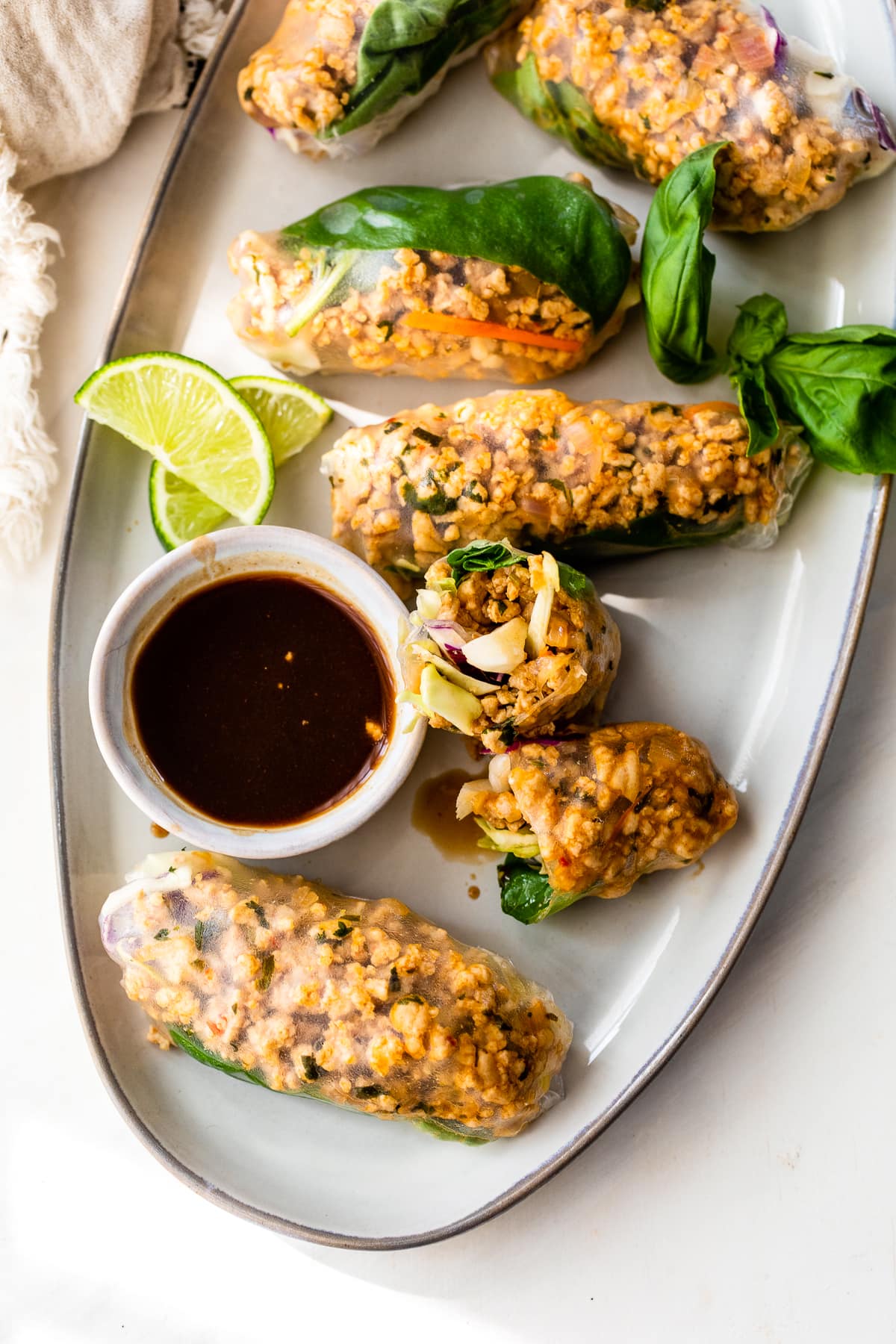
Chicken Summer Rolls
www.skinnytaste.com · 40 min

Stuffed Mushrooms
www.onceuponachef.com · 60 min

Quick Mussels Fra Diavolo
www.skinnytaste.com · 30 min

Baked Eggs with Spinach
www.skinnytaste.com · 22 min
Related terms
- MinceTo mince is to cut food into the smallest pieces you can, finer than chopped, so garlic, ginger, shallots or herbs melt into a dish with no chunks.
- SweatTo sweat vegetables is to cook them gently in a little fat over low heat until soft and translucent, without browning, to bring out a mild, sweet flavor.
- VinaigretteVinaigrette is a dressing of oil and vinegar, usually three parts oil to one part acid, with salt and mustard. It dresses salads, vegetables and grains.
- BéarnaiseBéarnaise is a warm butter sauce of egg yolks and a tarragon and shallot vinegar reduction. It is the classic sauce for steak and is easy to split.
- Beurre blancBeurre blanc is a French butter sauce made by whisking cold butter into a wine and shallot reduction. It is light, tangy and made for fish and vegetables.
- ScallionScallions are young onions with a small white base and long green tops, used raw or lightly cooked. The UK and Australia call them spring onions.