Sift
To sift is to pass flour, cocoa or sugar through a fine sieve to break up lumps and add air. Here is when sifting matters and when you can skip it.
Also called Sifting, Sifted.
To sift means to shake dry ingredients through a fine mesh to remove lumps and loosen them. You sift flour, cocoa powder, powdered sugar (icing sugar in the UK), baking powder and spices. Sifting also mixes dry ingredients evenly. Use a sifter with a crank, or simply a fine-mesh sieve tapped with your hand.
How to do it
- Hold the sieve over a bowl or a sheet of parchment paper.
- Spoon in the dry ingredients.
- Tap the side of the sieve with your palm, or stir the contents gently with a spoon, so the powder falls through.
- Press any small lumps that are left through with the back of a spoon.
- Throw away anything hard that will not pass through, such as bran or bits of paper.
Why it works
Flour and cocoa pack down and form clumps in the bag. Cocoa and powdered sugar also clump with moisture. Small clumps do not break up in a thick batter and leave dry pockets. Sifting also spreads leavening like baking powder and baking soda evenly through the flour, which stops bitter spots and holes in cakes.
Common mistakes
- Measuring after sifting when the recipe means before, or the other way round. Sifted flour takes up more room, so a cup of sifted flour weighs less. A kitchen scale avoids the problem.
- Skipping the sift for cocoa and powdered sugar. These lump the most and the lumps show in glazes and frostings.
- Sifting whole wheat flour and throwing away the bran left in the sieve. Tip it back into the bowl.
In recipes
"1 cup flour, sifted" means measure the flour, then sift it. "1 cup sifted flour" means sift first, then measure. Modern all-purpose flour is fairly fine, so many recipes skip sifting and ask you to whisk the dry ingredients together instead. It still matters for light sponges, macarons and anything dusted on top. "Sift over" means dust a thin layer on top through a sieve, often as a finish.
Recipes that use this technique
49 recipes from the sites we collect.

Pumpkin Roll
www.skinnytaste.com · 95 min

Linzer Cookies
www.onceuponachef.com · 40 min

French Macarons
www.onceuponachef.com · 60 min

Jamaican Beef Patties
www.skinnytaste.com · 120 min

Chocolate Macarons
www.onceuponachef.com · 60 min

Vegan Chocolate Ganache Frosting
minimalistbaker.com · 121 min
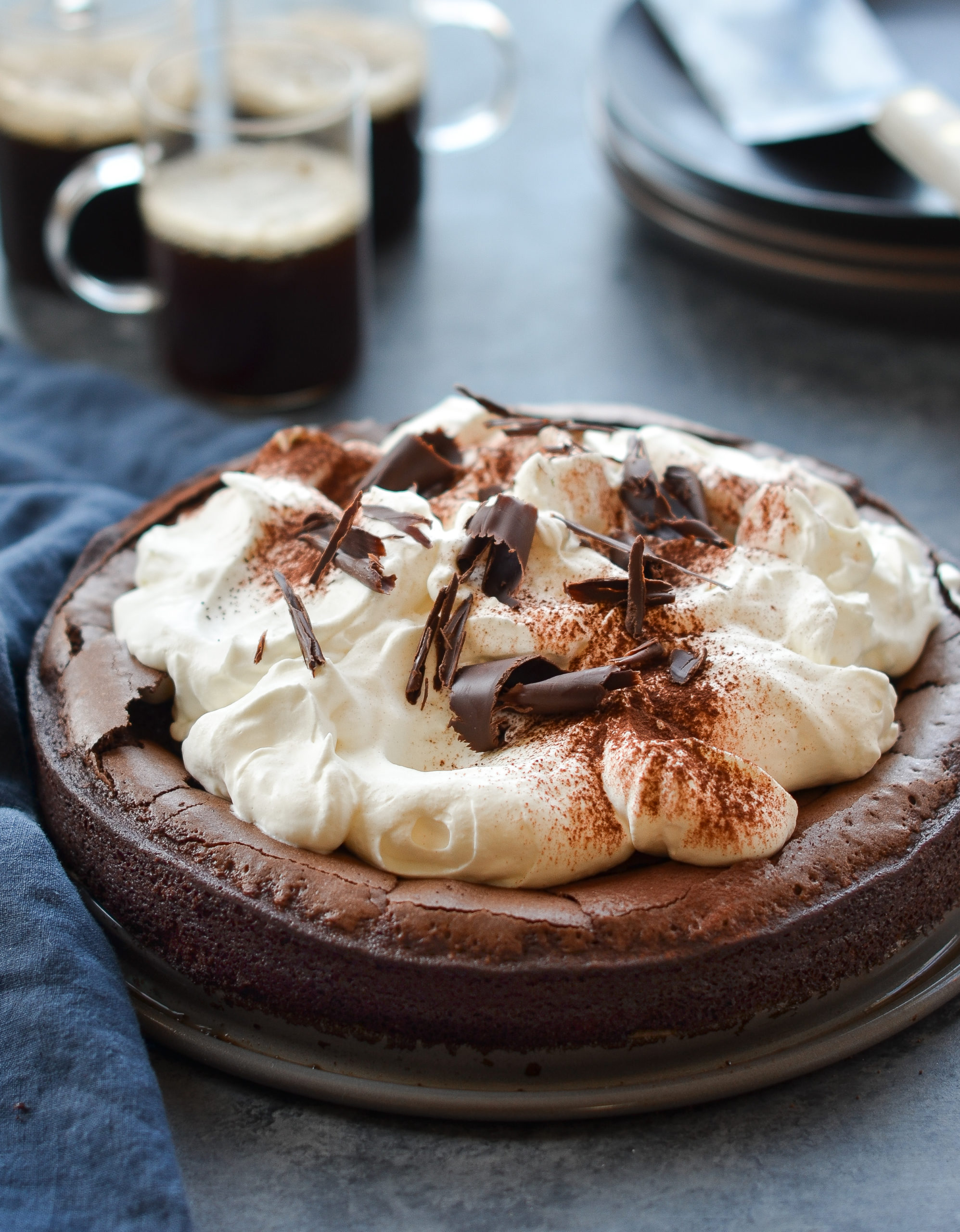
Flourless Chocolate Cake
www.onceuponachef.com · 50 min

Double Chocolate Chip Cookies with Pecans
www.onceuponachef.com · 30 min

Double Chocolate Mint Cookies
www.onceuponachef.com · 30 min

Easy Crust-less Spinach and Feta Pie
www.skinnytaste.com · 40 min
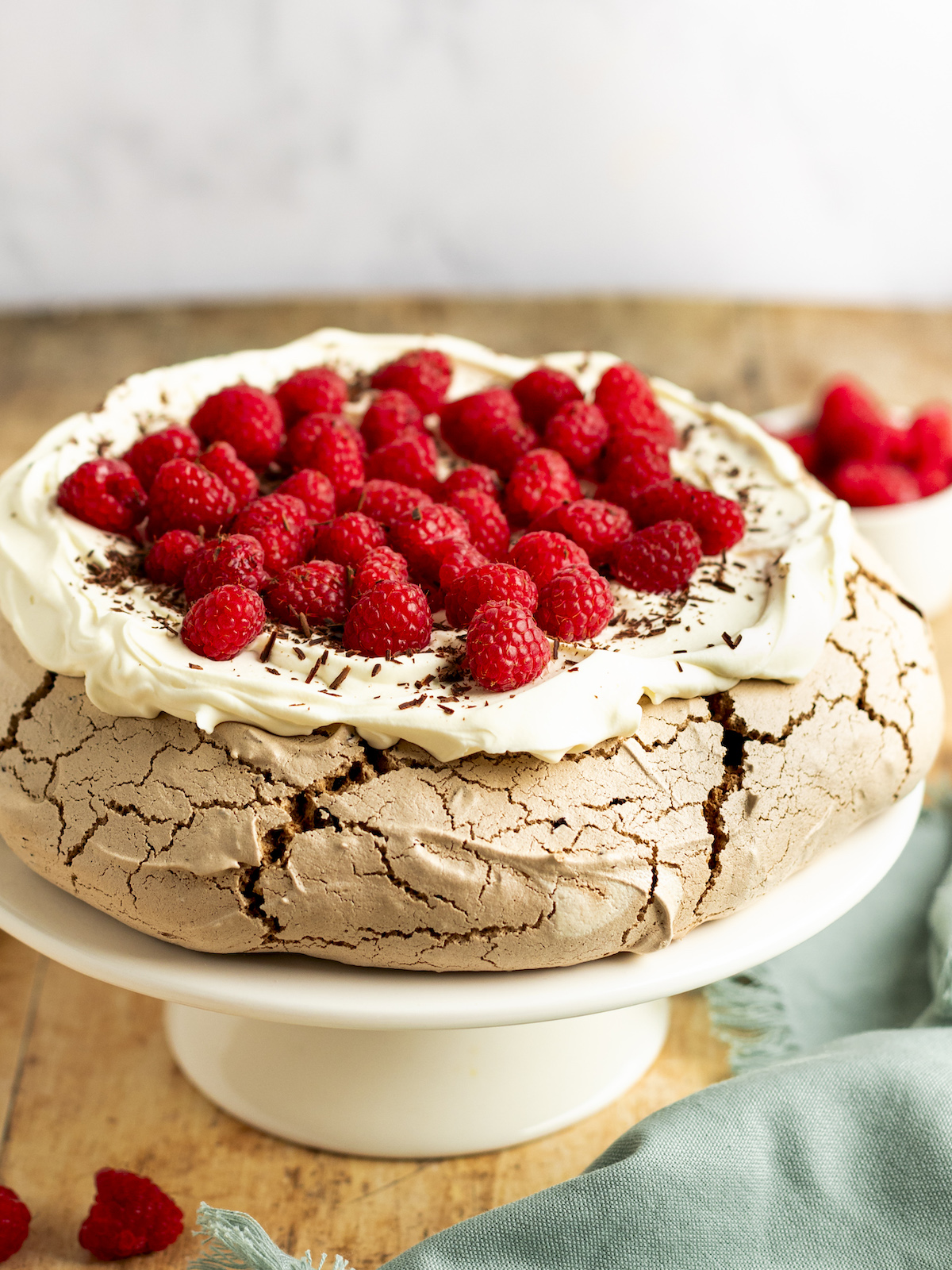
Chocolate Pavlova with Mascarpone Cream & Raspberries
www.onceuponachef.com · 95 min

Chocolate Stout Cupcakes with Bailey's Irish Cream Cheese Frosting
www.skinnytaste.com · 50 min
Related terms
- SieveA sieve is a bowl of wire mesh with a handle for straining liquids, sifting flour and pressing food smooth. Here is how to use one and pick the right mesh.
- Pass through a sieveTo pass through a sieve is to push a sauce, purée or custard through fine mesh to remove lumps, seeds and skins. Here is how to do it fast and cleanly.
- Powdered sugarPowdered sugar is sugar ground to a fine powder for frosting, glazes and dusting. In the UK it is icing sugar, in the US also confectioners' sugar.
- Kitchen scaleA kitchen scale weighs ingredients in grams or ounces, which is far more accurate than cups for baking. Here is how to use one and the tare button.
- LeaveningLeavening is what makes dough and batter rise, such as yeast, baking soda, baking powder, steam or whipped air. Here is how each works and when to use it.