Sumac
Sumac is a tart, lemony spice made from dried red berries. It adds sourness without liquid to za'atar, fattoush, kebabs, onions and roast meat.
Also called Sumak, Sumach.
Sumac is a spice made from the dried and ground berries of the sumac shrub, which grows around the Mediterranean and Middle East. It is a coarse, deep red-purple powder. It tastes tart and fruity, like lemon but softer, with a little salt often added during processing. Because it is dry, it adds sourness to food without making it wet.
How to use it
- Onions. Toss thinly sliced red onion with sumac, salt and a little lemon juice and leave for 10 minutes. Serve with kebabs, grilled meat or in flatbreads.
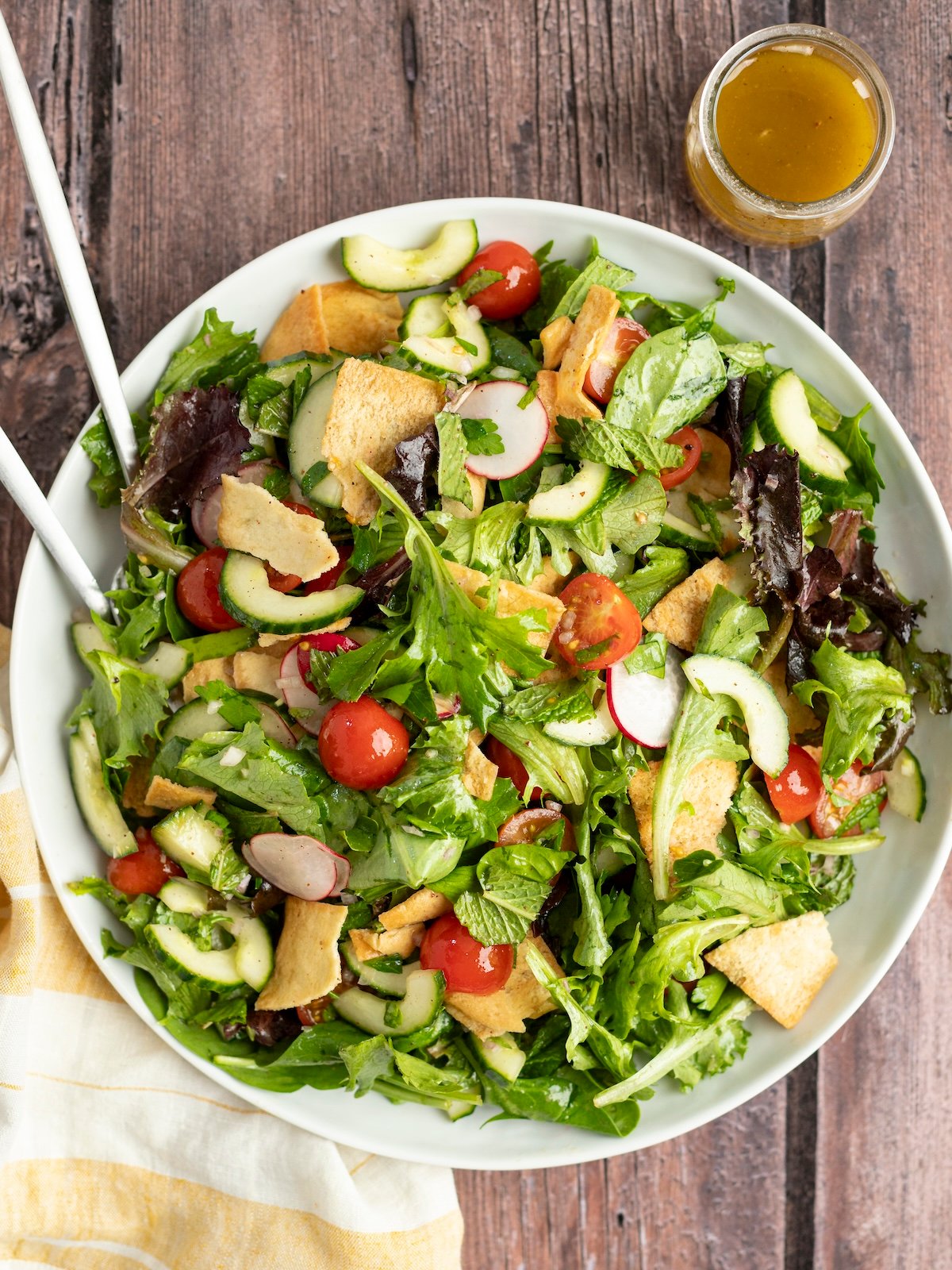
- Salads. Sprinkle it over fattoush, tomato and cucumber salads or avocado.
- Rubs. Mix with olive oil, garlic and salt for chicken, lamb or fish before grilling or roasting.
- Spice blends. It is one of the main parts of za'atar.
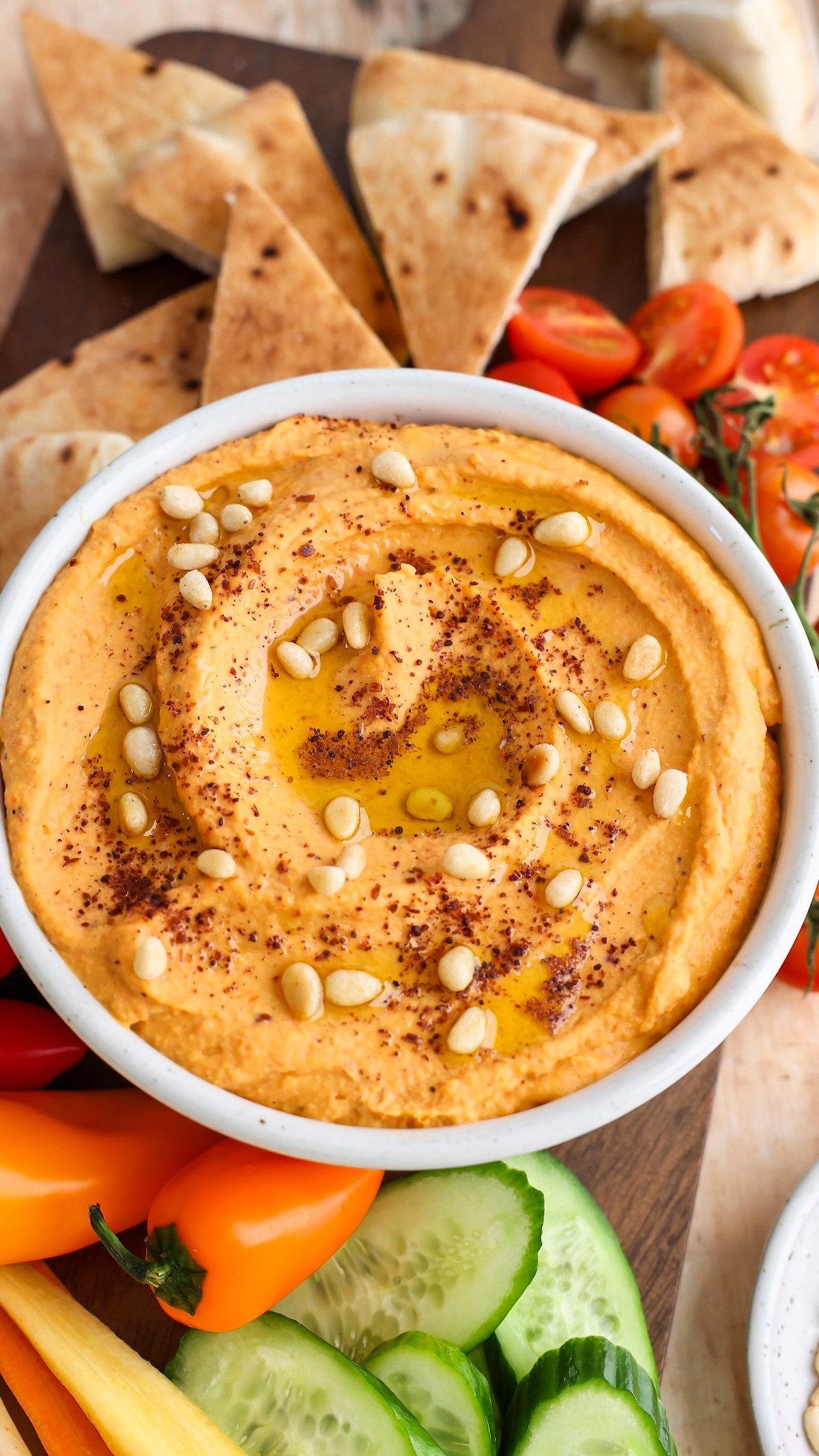
- Finishing. Dust it over hummus, labneh, yogurt dips, fried eggs or rice for color and tang, as you would with paprika.
Start with about 1 teaspoon for a salad or dish serving four, then add more to taste. It is mild enough that a little extra does no harm.
Substitutes
- Finely grated lemon zest with a pinch of salt. Add a little lemon juice if the dish can take liquid.
- A few drops of pomegranate molasses in dressings, for a fruity sourness.
- Dried mango powder (amchur) for a sour, dry spice.
How to store it
Keep it in an airtight jar away from light and heat. It is best within a year. If it has faded from red to brown and has little smell, replace it.
Common mistakes
- Cooking it for a long time. Its fresh, sour taste fades. Add it at the end or sprinkle it on just before serving.
- Worrying about poison sumac. The spice comes from a different plant with red berries. The poisonous plant has white berries and is never sold as a spice.
In recipes
Sumac appears across Turkish, Lebanese, Syrian, Palestinian, Iraqi and Iranian cooking. In Iran a shaker of sumac sits on the table to sprinkle over rice and kebabs. Palestinian musakhan, chicken roasted with lots of onion and sumac on flatbread, uses it as the main flavor. It is also common on mezze platters.
Recipes that use it
2 recipes from the sites we collect.
Related terms
- Za'atarZa'atar is a Middle Eastern blend of dried wild thyme, sumac, toasted sesame and salt. Mix it with olive oil for bread, eggs, labneh and vegetables.
- KebabA kebab is grilled or roasted meat, fish or vegetables, often on a skewer, from the Middle East, Turkey and South Asia. See how to grill them evenly.
- MezzeMezze is a spread of small dishes from the Eastern Mediterranean and Middle East, such as hummus, salads and dips, shared at the table. See what to serve.
- Pomegranate molassesPomegranate molasses is pomegranate juice boiled down to a thick, sweet-sour syrup. It adds tang to dressings, stews, glazes and Middle Eastern dips.
- ZestZest is the thin, colored outer layer of citrus peel, full of fragrant oils. To zest a lemon is to scrape off that layer and leave the bitter pith.