Tahini
Tahini is a smooth paste of ground sesame seeds. It is the base of hummus and tahini sauce. How to thin it, why it seizes, and what to swap in.
Also called Tahina, Tahin, Sesame paste.
Tahini is a paste made from sesame seeds that have been soaked, hulled, lightly toasted and ground until smooth. It looks like a pale, runny nut butter. Good tahini tastes nutty and rich with a slight bitterness at the end. It is a staple in Middle Eastern, Mediterranean and North African cooking.
Why it works
When you first add lemon juice or water, tahini seizes. It turns thick, stiff and pasty, and looks broken. Keep whisking and adding water and it relaxes into a smooth, creamy emulsion. This is normal.
How to use it
- Hummus. Blend cooked chickpeas with tahini, lemon juice, garlic, salt and a little ice water. A common ratio is about 1 part tahini to 3 parts chickpeas.
- Tahini sauce. Whisk 60 ml (¼ cup) tahini with the juice of a lemon and a crushed garlic clove. Add cold water a spoonful at a time, whisking, until smooth and pourable. Season with salt. Serve with falafel, roast vegetables, grilled meat or fish.
- Dips and mezze. It goes into baba ghanoush and many other dips.
- Dressings and noodles. Whisk with soy sauce, rice vinegar and honey for cold noodles or salads.
- Sweets. Stir it into cookies, brownies, granola or drizzle over yogurt with honey. Halva is made from tahini and sugar.
Substitutes
- Sunflower seed butter, the closest in taste and texture.
- Cashew or almond butter, which are sweeter.
- In Asian recipes, Chinese sesame paste. It is made from toasted unhulled seeds, so it is darker and stronger.
How to store it
The oil separates and rises to the top. Stir it well before using, with a knife or a spoon all the way to the bottom. Keep an opened jar in a cool cupboard for a few months, or in the fridge to keep it fresh longer, though it gets thicker there.
Common mistakes
- Using it straight from the top of the jar without stirring. You get oil, then a hard block later.
- Stopping when it seizes and adding more tahini.
- Using bitter, old tahini. Taste it first. Rancid tahini ruins a dish.
Tahini is made from sesame, a common allergen. See sesame.
Recipes that use it
41 recipes from the sites we collect.

Fudgy Chocolate Tahini Cookies (1 Bowl!)
minimalistbaker.com · 20 min

Tahini Hot Chocolate (Super Dreamy, Protein-Rich!)
minimalistbaker.com · 5 min
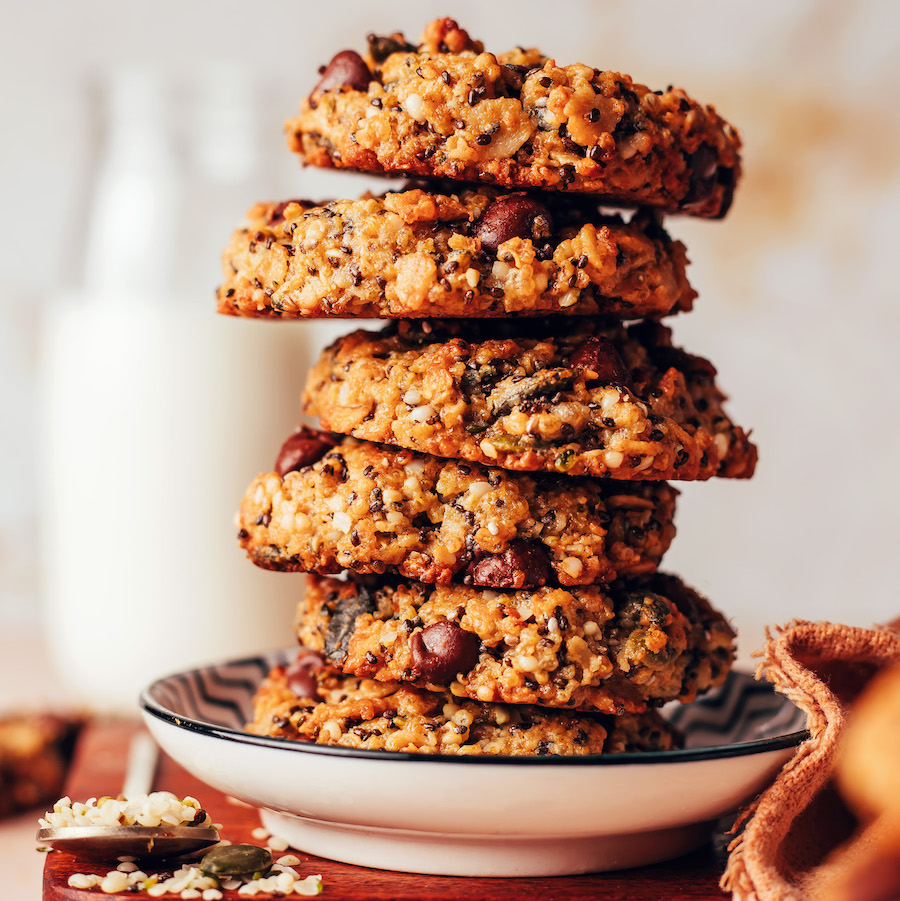
Seedy Quinoa Breakfast Cookies
minimalistbaker.com · 25 min

Roasted Jalapeño Hummus
minimalistbaker.com · 30 min
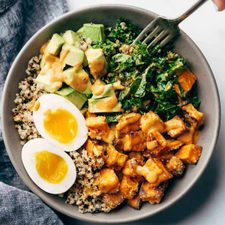
Chipotle Tahini Bowls
pinchofyum.com · 20 min

Jerk Tofu & Roasted Plantain Bowls
minimalistbaker.com · 45 min
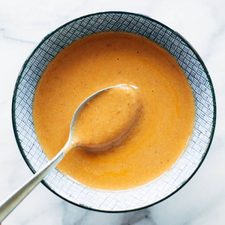
Chipotle Tahini
pinchofyum.com · 2 min

Roasted Beet Hummus
minimalistbaker.com · 10 min

Better-Than-Restaurant Falafel (Vegan & Gluten-Free)
minimalistbaker.com · 20 min
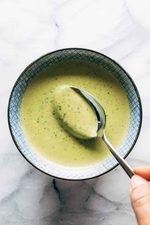
Green Tahini
pinchofyum.com · 5 min

Garam Masala Hummus with Toasted Sesame Seeds
minimalistbaker.com · 15 min

Simple Baba Ganoush
minimalistbaker.com · 25 min
Related terms
- SesameSesame is a seed allergen found in tahini, sesame oil, breads and spice mixes. It is labeled in the EU and has been a US major allergen since 2023.
- MezzeMezze is a spread of small dishes from the Eastern Mediterranean and Middle East, such as hummus, salads and dips, shared at the table. See what to serve.
- EmulsionAn emulsion is a mix of oil and water, which normally do not blend, held together as tiny drops. Mayonnaise and vinaigrette are emulsions.
- SeizeChocolate seizes when a few drops of water turn it from smooth and melted to thick, grainy and stiff. Here is how to avoid and rescue it.
- ChickpeaChickpeas are round, nutty legumes used in hummus, curries and salads. In the US they are also garbanzo beans, in India chana, in Italy ceci.