Wheat allergy
A wheat allergy is an immune reaction to proteins in wheat. It is not celiac disease, and some foods labeled gluten-free can still contain wheat.
A wheat allergy is a reaction of the immune system to proteins in wheat. It can involve gluten but also other wheat proteins. It is different from celiac disease, an autoimmune condition caused by gluten, and from gluten sensitivity. Some people with a wheat allergy can eat rye, barley or oats and some cannot. Only a doctor can diagnose a wheat allergy and tell you what to avoid.
Substitutes
- Flour: rice flour, corn flour, buckwheat flour, oat flour if oats are safe for you, or a flour blend that contains no wheat starch.
- Thickening: cornstarch or potato starch (potatismjöl in Swedish recipes) instead of a flour roux.
- Pasta and noodles: rice noodles, corn pasta, or noodles made from 100 percent buckwheat.
- Breadcrumbs: crushed rice crackers or cornflakes, or polenta.
- Soy sauce: tamari made without wheat.
Buckwheat is not related to wheat despite its name.
Common mistakes
- Forgetting the other names for wheat: spelt, khorasan, durum, semolina, farro, einkorn, emmer, bulgur, couscous, freekeh, triticale and seitan.
- Missing wheat in almost every flour sold for baking, including all-purpose flour (plain flour in the UK), bread flour, cake flour and self-rising flour, and in panko and most breadcrumbs.
- Using regular soy sauce, which is usually brewed with wheat.
- Trusting a gluten-free label alone. In the EU and the UK, gluten-free food can contain wheat starch that has had the gluten removed. The wheat is still named in the ingredients list.
In recipes
Wheat is labeled in both the EU and the US, in different ways:
- In the US, wheat is one of the nine major allergens and must be named in the ingredients or a "Contains" statement. Rye and barley are not major allergens there.
- In the EU and the UK, wheat falls under cereals containing gluten, and the label must name wheat and emphasize it.
If you have a wheat allergy, read labels every time you buy, including on gluten-free products, and talk to your doctor or a dietitian about which grains are safe for you.
Recipes free from it
2088 recipes from the sites we collect.

Air Fryer Boneless Chicken Thighs
www.skinnytaste.com · 149 min
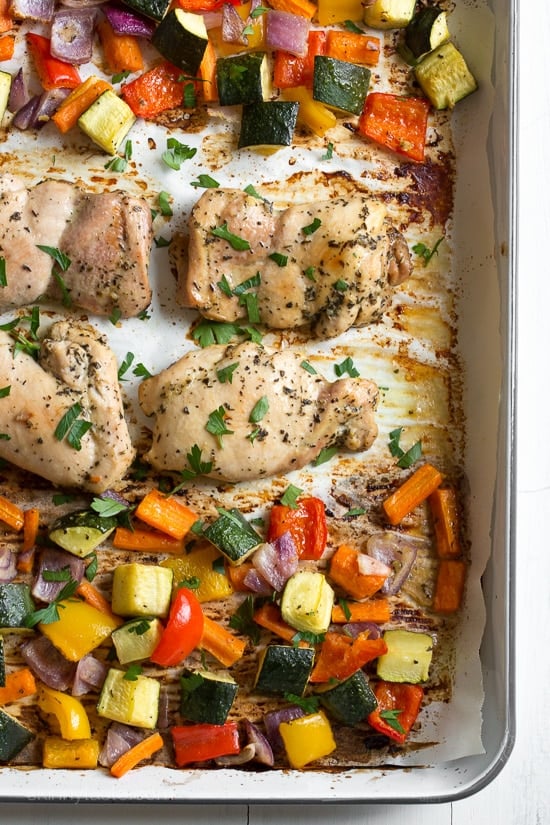
Sheet Pan Italian Baked Boneless Chicken Thighs and Veggies
www.skinnytaste.com · 60 min

Banana Ice Cream (Nice Cream)
www.skinnytaste.com · 10 min

BBQ Shrimp Recipe
www.skinnytaste.com · 30 min

Chocolate Covered Strawberries
www.skinnytaste.com · 20 min

Grilled Chicken Caprese Salad
www.skinnytaste.com · 25 min
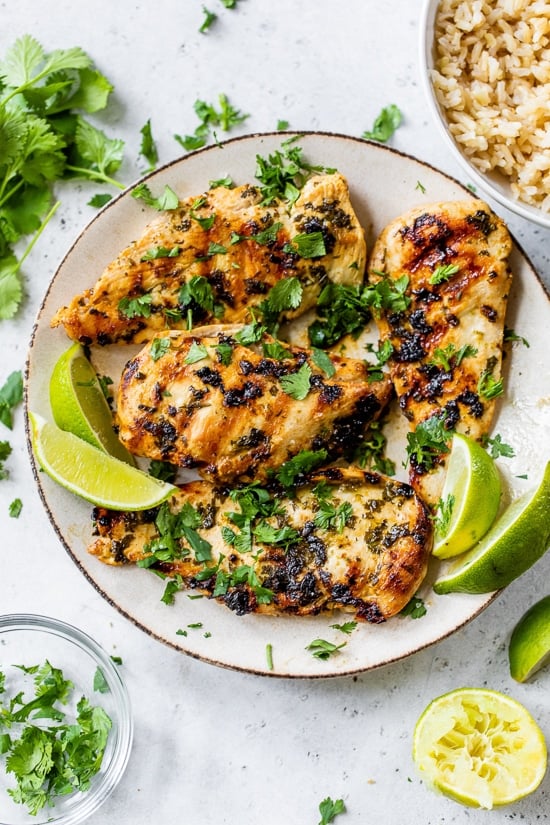
Cilantro Lime Chicken Breast (Grilled or Air Fryer)
www.skinnytaste.com · 80 min

Chili-Lime Air Fryer Salmon
www.skinnytaste.com · 15 min

Huevos Rancheros Recipe
www.skinnytaste.com · 15 min
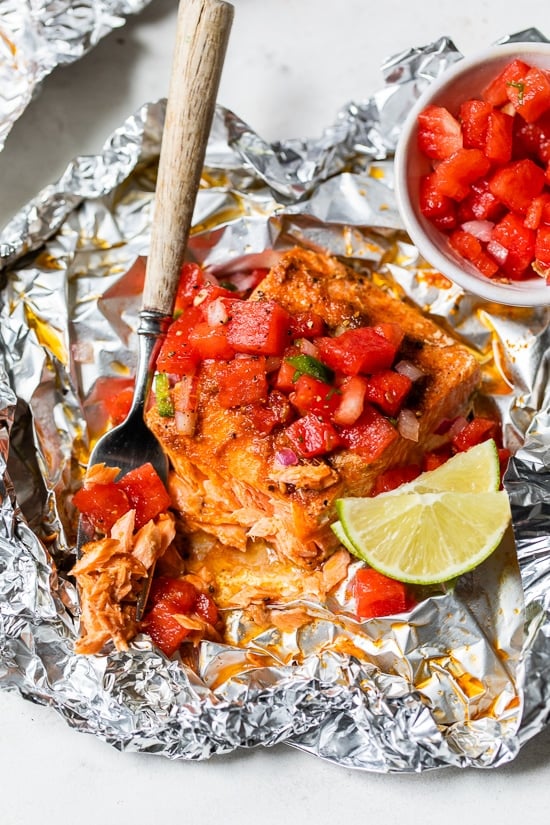
Foil Packet Spice Rubbed Fish with Watermelon Salsa
www.skinnytaste.com · 30 min

Blueberry Compote
www.skinnytaste.com · 17 min

Pickled Red Onion Recipe
www.skinnytaste.com · 67 min
Related terms
- Celiac diseaseCeliac disease (coeliac disease in the UK) is an autoimmune condition in which gluten damages the gut. Cooking for it means no wheat, rye or barley.
- Cereals containing glutenCereals containing gluten is the EU allergen group for wheat, rye, barley and oats, including spelt and khorasan. Labels must name the grain.
- Gluten-freeGluten-free on a label means under 20 parts per million of gluten in the EU, UK and US. Here is what that covers and how to cook gluten-free at home.
- All-purpose flourAll-purpose flour is a medium-protein white wheat flour for cakes, cookies, sauces and bread. In the UK it is plain flour, in Sweden vetemjöl.
- US major allergensThe US major food allergens are nine foods that must be named on US labels, from milk, eggs and peanuts to wheat, soy and, since 2023, sesame.
- EU 14 allergensThe EU 14 allergens are the foods that EU and UK law says must be emphasized on food labels and declared by restaurants, from gluten to lupin.