Bain-marie
A bain-marie is a hot water bath that cooks or melts food gently, such as custards, cheesecakes and chocolate. Here is how to set one up.
Also called Water bath, Double boiler, Bain marie.
A bain-marie is a container of hot water that holds a second container of food. The water keeps the food at a gentle, even heat that cannot go above the boiling point of water. Cooks use it in the oven for baked custards and cheesecakes, and on the stove to melt chocolate or make egg sauces such as hollandaise.
How to do it
In the oven:
- Put your filled dish, ramekins or wrapped springform pan into a larger roasting pan.
- Set the pan on the oven rack, then pour hot water from a kettle into the outer pan until it comes halfway up the sides of the dish.
- Bake as the recipe says, usually around 150 to 160°C (300 to 325°F).
- Lift the dishes out of the water as soon as they come out of the oven so they stop cooking.
On the stove:
- Bring 3 to 5 cm (1 to 2 in) of water to a bare simmer in a saucepan.
- Set a heatproof bowl on top so it sits snugly but does not touch the water.
- Stir the food in the bowl until it melts or thickens.
Why it works
Water spreads heat evenly and gently. The edges of a custard sitting in water cook at nearly the same speed as the middle, so the custard sets smooth instead of turning rubbery or cracking. Over the stove, steam gives soft heat that melts chocolate without scorching it.
Common mistakes
- Pouring water into the pan before it is in the oven. It is heavy and easy to spill.
- Letting water or steam drip into melting chocolate. A few drops can make it seize.
- Letting the water boil hard under an egg sauce. The eggs scramble.
- Skipping the foil around a springform pan. Water seeps in and makes the crust soggy.
In recipes
"Bake in a water bath" and "set over a pan of simmering water" both mean a bain-marie. A double boiler is a pair of nesting pots made for the stove version.
Where it comes from
The name is French for "Mary's bath". It is often linked to Mary the Jewess, an early alchemist, though the story is uncertain.
Recipes made with it
41 recipes from the sites we collect.

How to Make Magic Shell
minimalistbaker.com · 7 min

Chocolate Rugelach
www.onceuponachef.com · 50 min
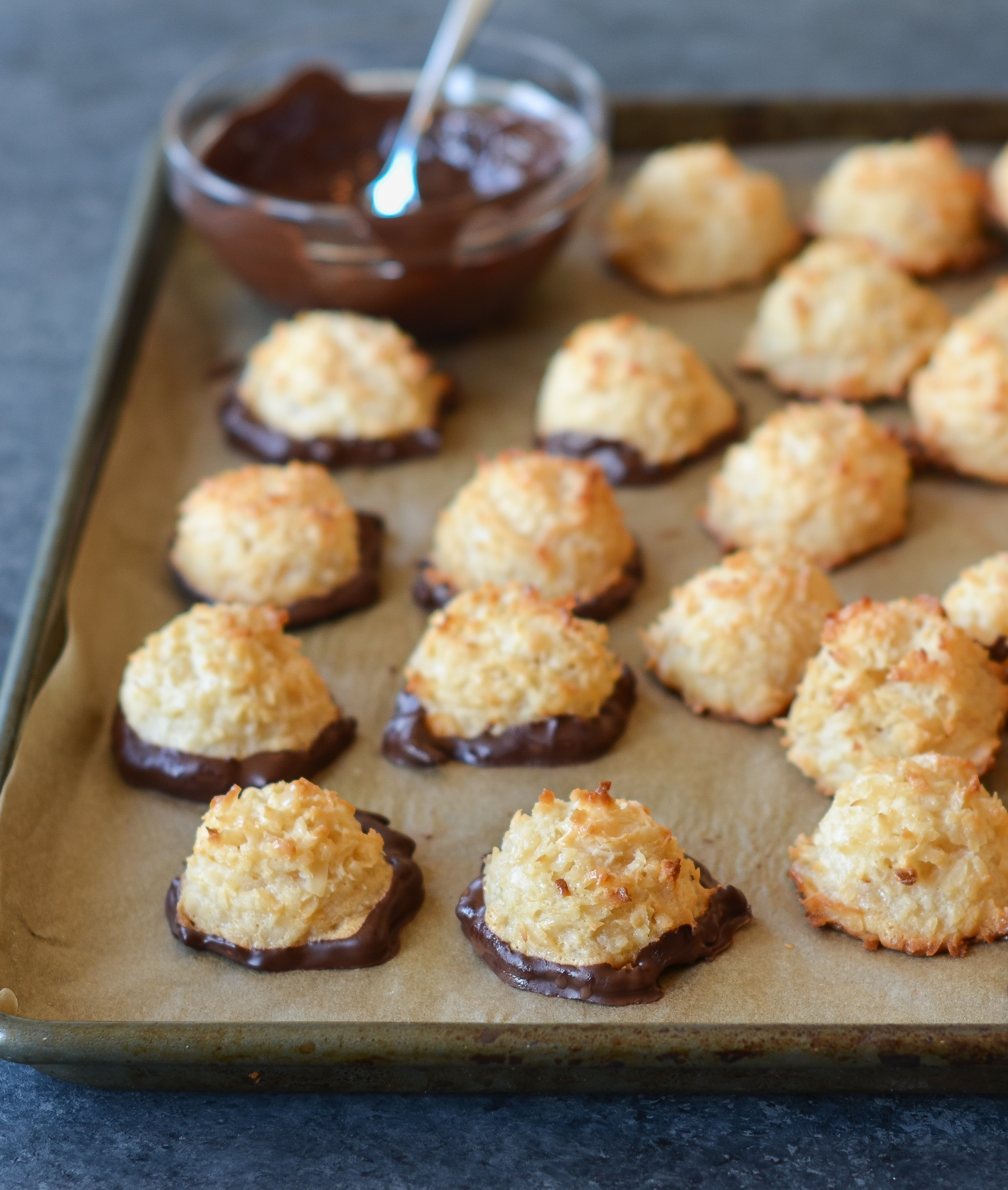
Coconut Macaroons
www.onceuponachef.com · 45 min

Salted Caramel Brownies
pinchofyum.com · 60 min

Blobbs
www.onceuponachef.com · 35 min

Lemon Berry Parfaits
www.onceuponachef.com

Bourbon Caramel Almond Butter Cups
minimalistbaker.com · 25 min

Modern Scotcheroos
pinchofyum.com · 20 min

Minty Chocolate Holiday Cake Bites
pinchofyum.com · 20 min

Homemade Peanut Butter M&Ms
minimalistbaker.com · 43 min

Strawberry Cake Magic Shell
minimalistbaker.com · 5 min

Pumpkin Bark
minimalistbaker.com · 30 min
Related terms
- RamekinA ramekin is a small, round, ovenproof dish for baking and serving single portions, such as crème brûlée, soufflé and baked eggs. Here is how to use one.
- Springform panA springform pan is a round cake pan whose side unclips from the base, so you can lift out cheesecakes and tortes without turning them over.
- Temper chocolateTempering chocolate is melting and cooling it to set temperatures so it sets glossy and snaps cleanly. Here are the temperatures for dark, milk and white.
- HollandaiseHollandaise is a warm sauce of egg yolks, butter and lemon, whisked into a smooth emulsion. It is the sauce on eggs Benedict and asparagus, and can split.
- SetIn recipes, set means a liquid has firmed into a solid that holds its shape, as with custard, jam, jelly, eggs and chocolate. Here is how to check it.
- SeizeChocolate seizes when a few drops of water turn it from smooth and melted to thick, grainy and stiff. Here is how to avoid and rescue it.