Temper chocolate
Tempering chocolate is melting and cooling it to set temperatures so it sets glossy and snaps cleanly. Here are the temperatures for dark, milk and white.
Also called Tempering chocolate, Tempered chocolate.
To temper chocolate means to melt it and then cool and warm it within narrow temperature ranges, so the cocoa butter sets in its most stable form. Tempered chocolate sets shiny and firm, snaps cleanly and does not melt at the touch. You need it for dipped strawberries, molded chocolates, bark and decorations. For baking into brownies or cakes, you do not.
How to do it
The seeding method:
- Chop the chocolate finely. Set aside about a quarter of it.
- Melt the rest in a bowl over barely simmering water, a bain-marie, or in the microwave in 20-second bursts, stirring between.
- Heat it to the melt temperature in the table, measured with a thermometer.
- Take it off the heat and stir in the chopped chocolate you kept back.
- Stir until the temperature drops to the working temperature. Remove any lumps that have not melted.
| Chocolate | Melt to | Work at |
|---|---|---|
| Dark | 45 to 50°C (113 to 122°F) | 31 to 32°C (88 to 90°F) |
| Milk | 40 to 45°C (104 to 113°F) | 29 to 30°C (84 to 86°F) |
| White | 40°C (104°F) | 27 to 28°C (81 to 82°F) |
These are typical ranges. Follow the maker's numbers if the pack gives them.
How to tell it is done
Dip the tip of a knife or a strip of parchment paper and leave it at cool room temperature. Tempered chocolate sets in about 5 minutes, glossy and even with no streaks. If it stays soft or sets dull and streaky, it is not in temper.
Why it works
Cocoa butter can set in several crystal forms. Only one gives shine and snap. Melting erases all crystals. Adding solid tempered chocolate supplies the right crystals as seeds, and holding the temperature low enough lets them spread while the unstable kinds stay melted.
Common mistakes
- A drop of water or steam. The chocolate seizes into a stiff paste.
- Overheating, especially milk and white chocolate. They burn and turn grainy.
- Letting it cool below the working range. Warm it gently by a degree or two.
- Using chocolate chips. Many contain stabilizers and do not temper well.
In recipes
Untempered chocolate sets with gray streaks, called fat bloom. It is safe to eat, just dull. Simply melting it again and tempering fixes it.
Recipes that use this technique
9 recipes from the sites we collect.

Roast Beef and Gravy
www.skinnytaste.com · 70 min

Chicken Tikka Masala Recipe
www.skinnytaste.com · 35 min
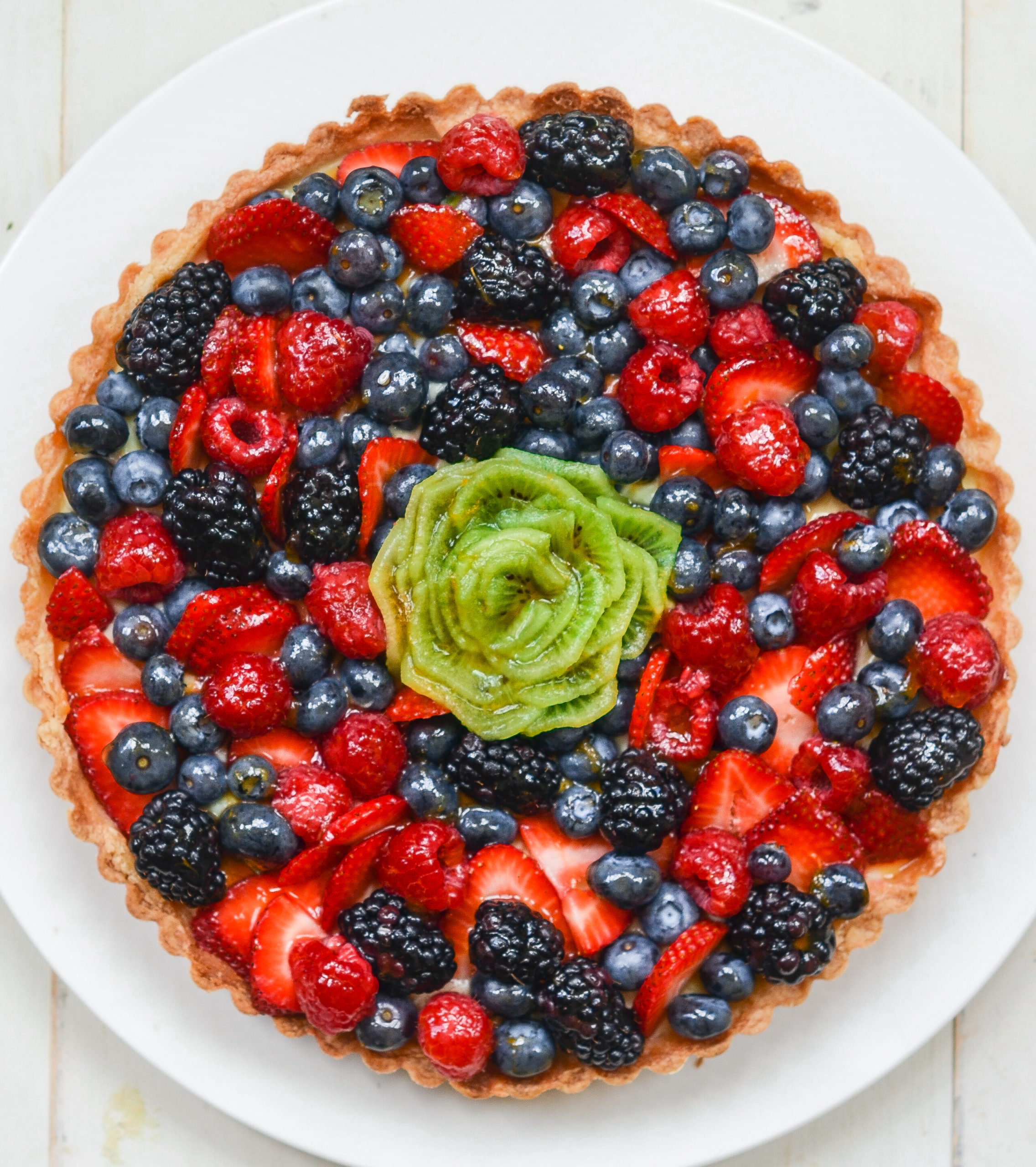
Classic French Fruit Tart
www.onceuponachef.com · 40 min
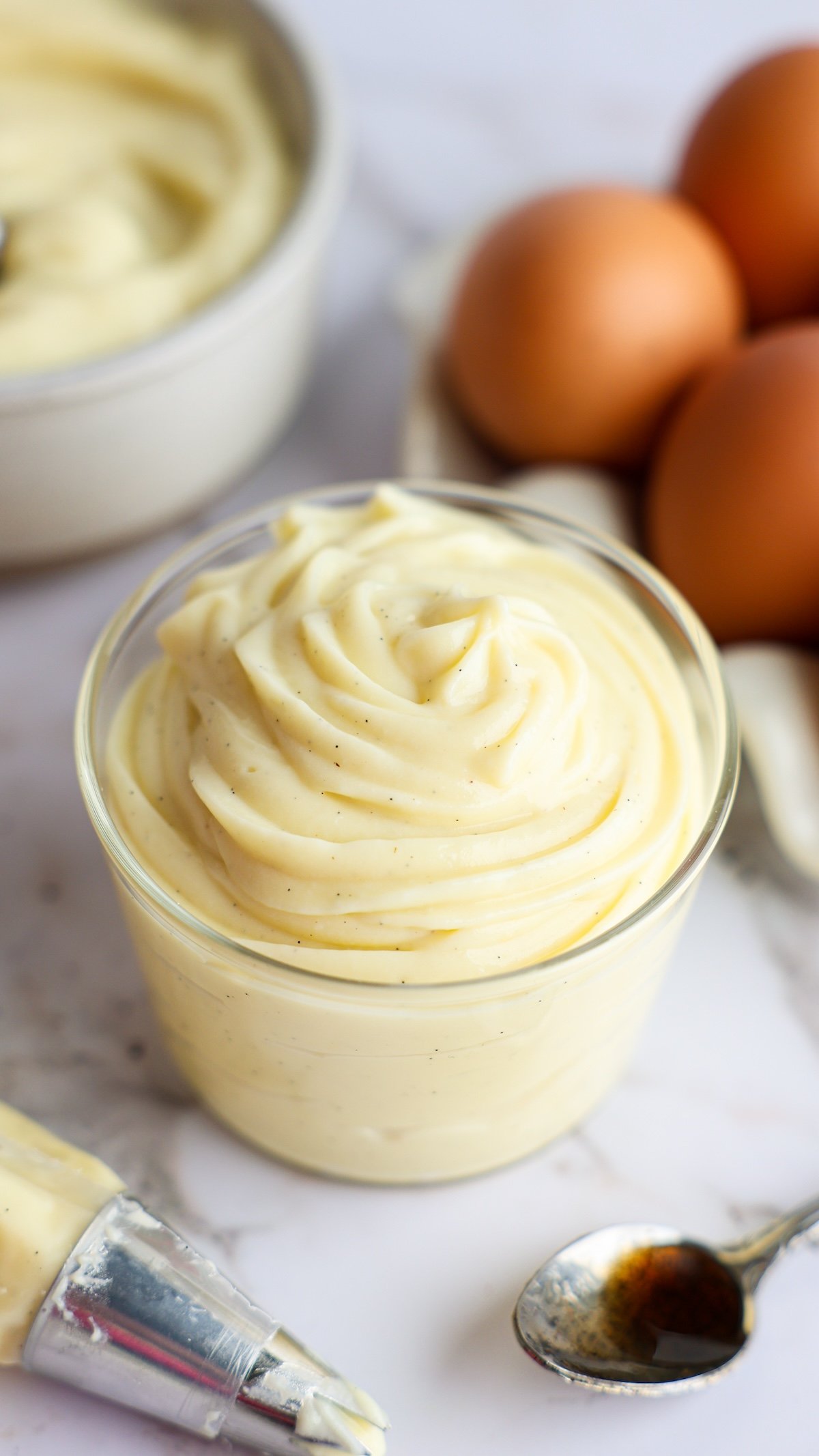
Vanilla Pastry Cream
www.onceuponachef.com · 20 min
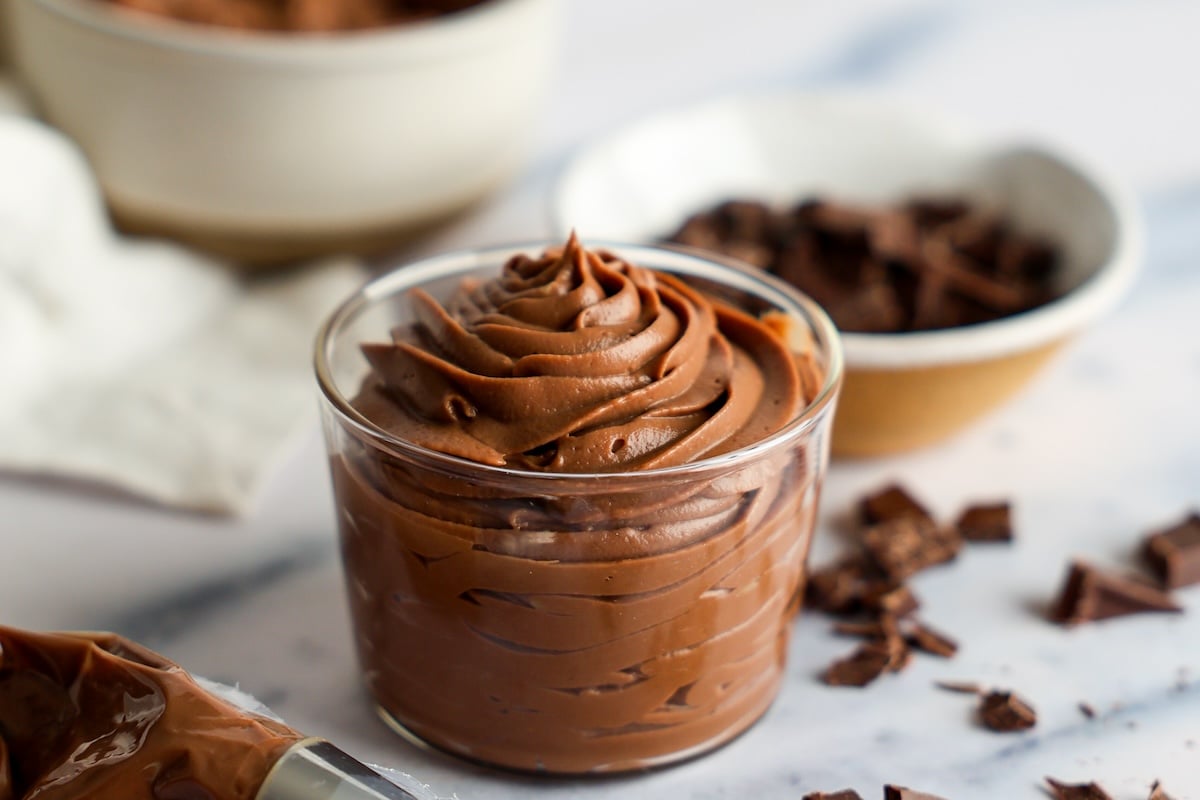
Chocolate Pastry Cream
www.onceuponachef.com · 20 min
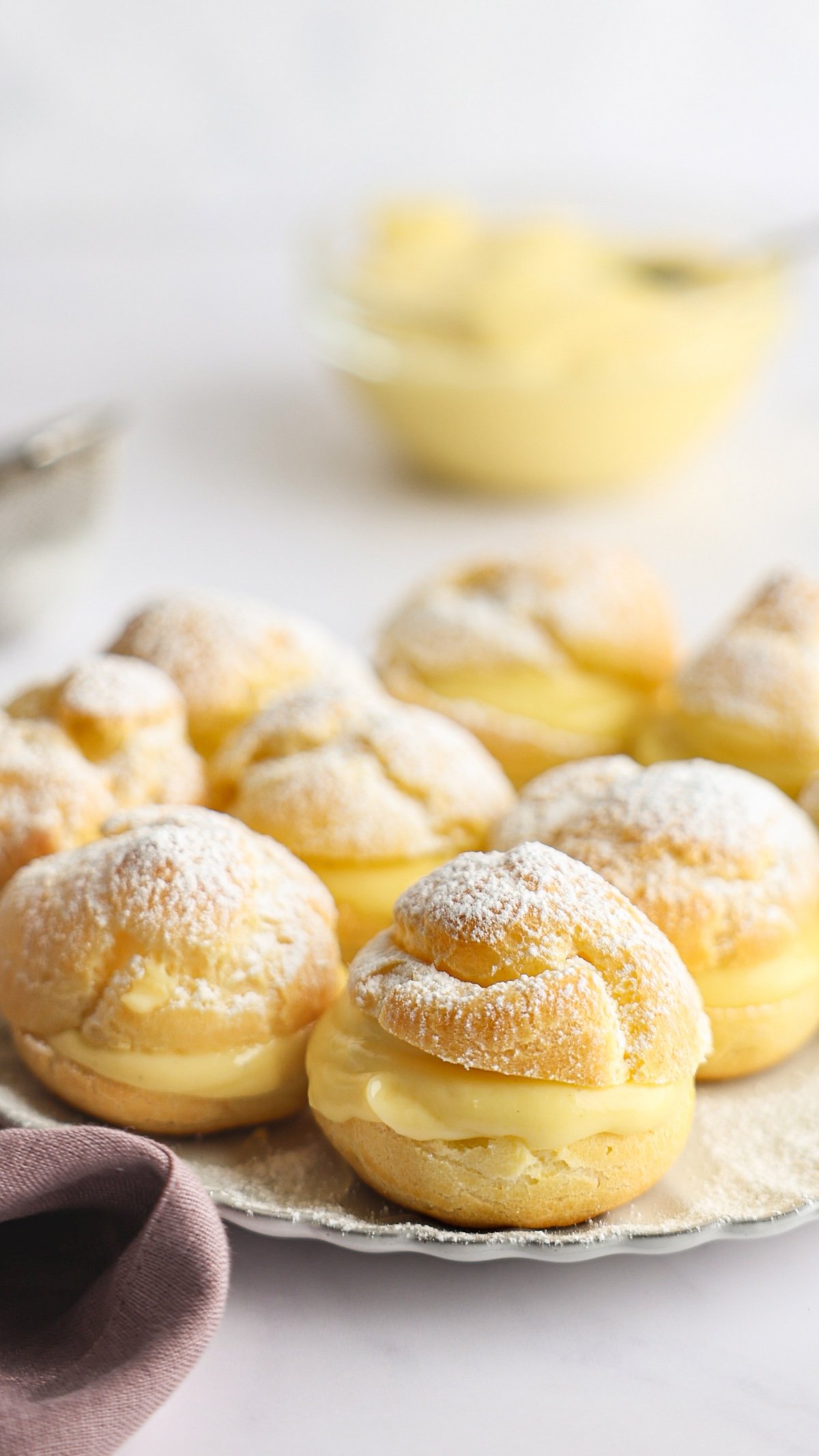
Cream Puffs
www.onceuponachef.com · 95 min
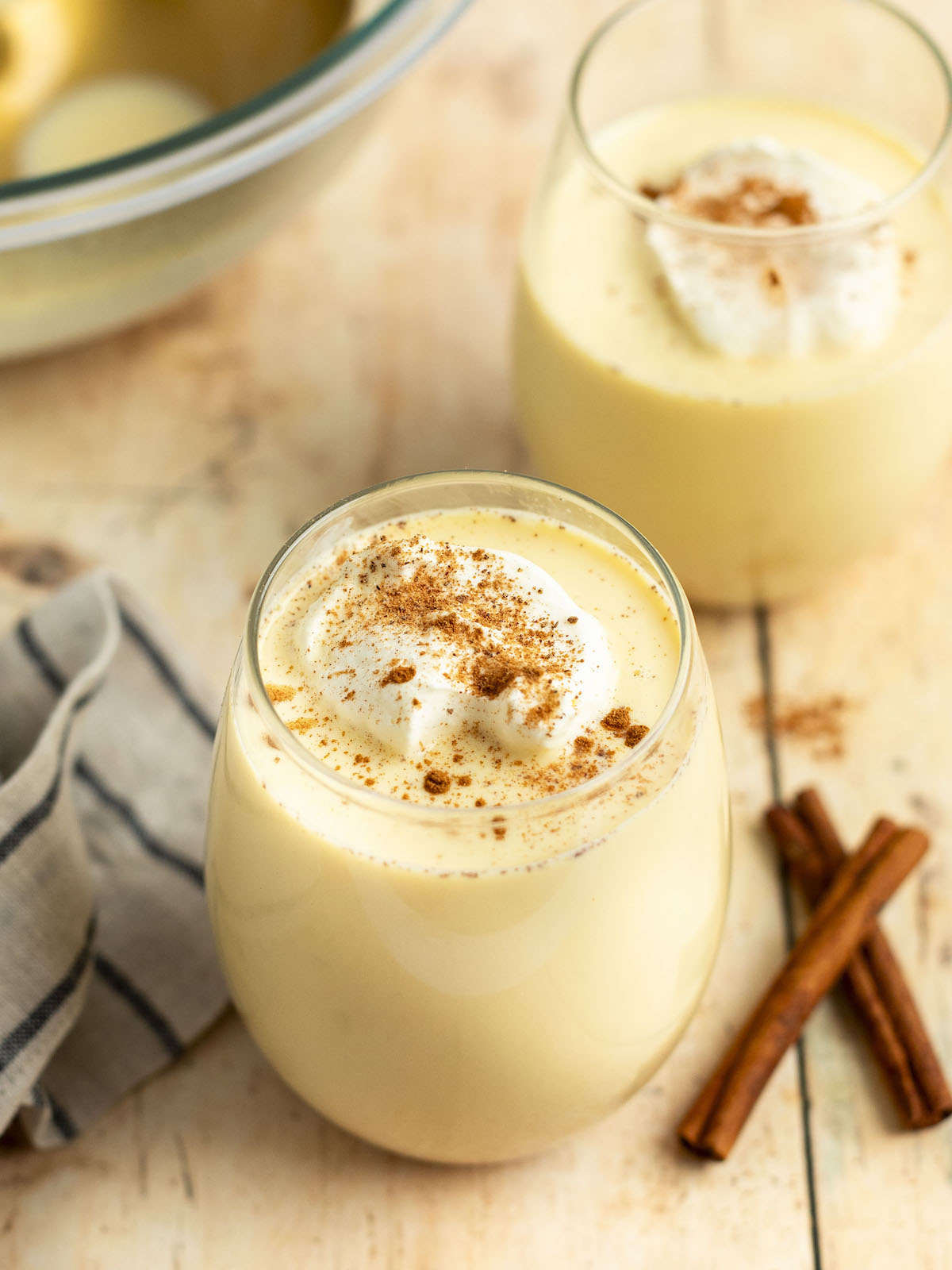
Homemade Eggnog
www.onceuponachef.com · 25 min

Lamb Chops with Dijon Glaze over Wilted Spinach
www.skinnytaste.com · 50 min

Dairy-Free Chocolate Ice Cream
minimalistbaker.com · 30 min
Related terms
- SeizeChocolate seizes when a few drops of water turn it from smooth and melted to thick, grainy and stiff. Here is how to avoid and rescue it.
- ThermometerA kitchen thermometer checks the heat of meat, oil, sugar and your oven, so food is safe and cooked how you want. Here is which type to use and how.
- Bain-marieA bain-marie is a hot water bath that cooks or melts food gently, such as custards, cheesecakes and chocolate. Here is how to set one up.
- GanacheGanache is chocolate melted into hot cream. Change the ratio and it becomes a glaze, a whipped frosting or firm truffles. Here are the ratios to use.
- BloomTo bloom is to wake up an ingredient in liquid or fat before use, like soaking gelatin, proving yeast or frying spices. Here is how each one works.