Thermometer
A kitchen thermometer checks the heat of meat, oil, sugar and your oven, so food is safe and cooked how you want. Here is which type to use and how.
Also called Meat thermometer, Instant-read thermometer, Probe thermometer, Candy thermometer, Oven thermometer.
A kitchen thermometer measures how hot food, oil or your oven is. It is the only reliable way to know that meat is cooked to a safe internal temperature, that frying oil is ready, or that sugar has reached the right stage. Color, juices and cooking times are all guesses by comparison.
How to do it
Types:
- Instant-read digital. A thin probe that reads in a few seconds. The most useful one for meat, bread and custards.
- Leave-in probe. A probe on a cable that stays in the meat in the oven, with a display outside. It can beep at the target.
- Candy and deep-fry. A long, clip-on thermometer that reads up to about 200°C (400°F) or more, for sugar work and deep-frying.
- Oven thermometer. Hangs on a rack to show what the oven really is at. Many ovens run hot or cold.
To check meat, push the probe into the thickest part, away from bone and fat, which give false readings. For a whole bird, check the thickest part of the thigh and the breast.
USDA safe minimums:
| Food | Temperature |
|---|---|
| Poultry, whole or ground | 74°C (165°F) |
| Ground beef, pork, lamb | 71°C (160°F) |
| Whole cuts of beef, pork, lamb, veal | 63°C (145°F), then rest 3 minutes |
| Fish | 63°C (145°F) |
How to tell it is done
Pull meat a few degrees before your target. It keeps rising as it rests, which is carryover cooking. For sugar, watch for stages such as the soft-ball stage at 112 to 116°C (235 to 240°F).
Common mistakes
- Never checking accuracy. Test it in a glass packed with ice and a little water. It should read 0°C (32°F). Most digital models can be reset if it is off.
- Touching the pan or bone with the tip.
- Measuring sugar or oil with the tip resting on the bottom of the pan.
- Leaving an instant-read thermometer in the oven. The plastic body melts.
- Not washing the probe between raw and cooked meat.
In recipes
"Until a thermometer reads 57°C (135°F)" means the internal temperature at the thickest point, not the surface.
Recipes made with it
14 recipes from the sites we collect.
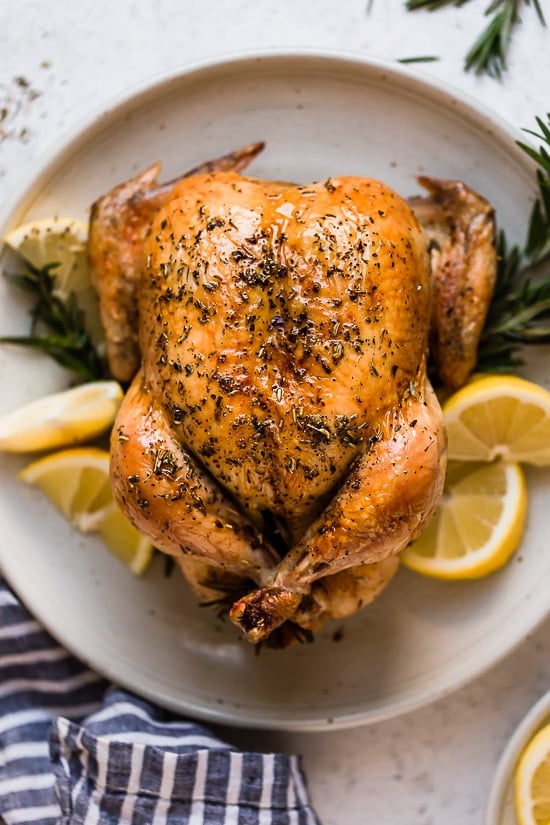
Roast Chicken with Rosemary and Lemon
www.skinnytaste.com · 80 min

Herb Crusted Rib Eye Roast
www.skinnytaste.com · 70 min

Hot Crab Rangoon Dip
www.onceuponachef.com · 40 min

Classic Chicken Salad with Grapes and Almonds
www.onceuponachef.com · 50 min
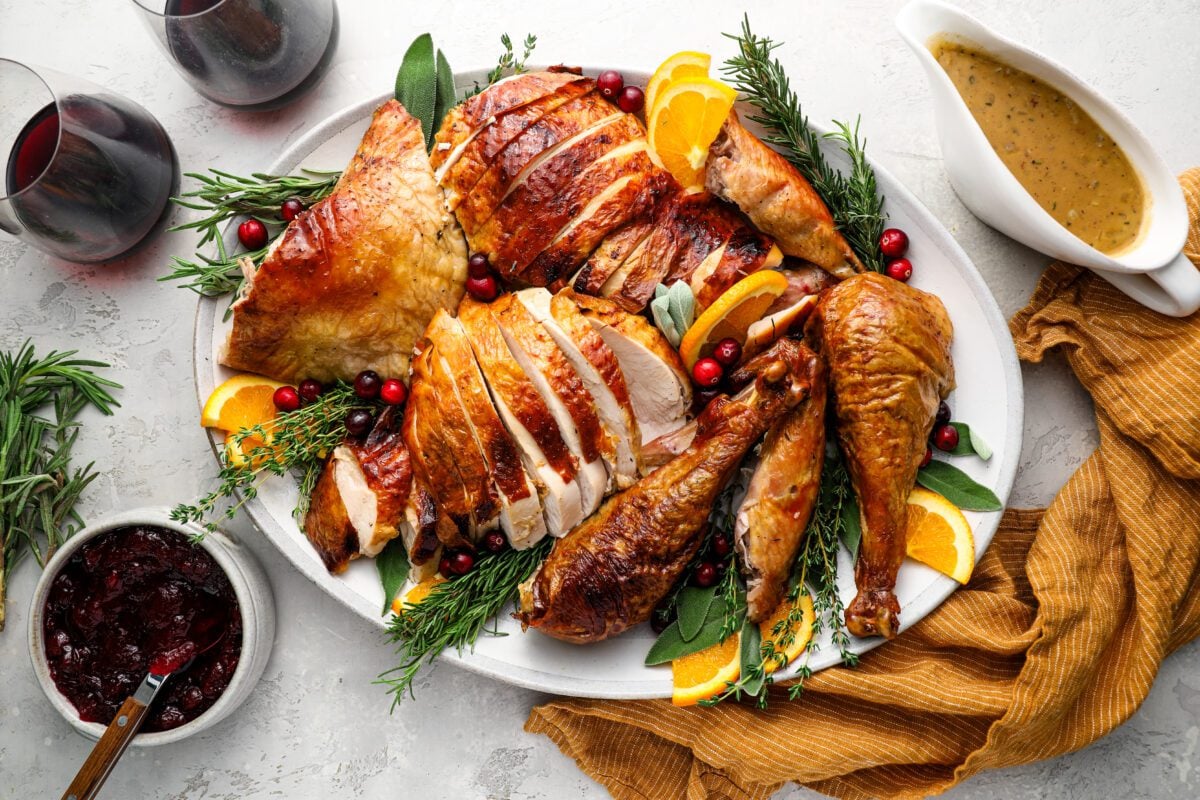
Dry Brine Turkey
www.onceuponachef.com · 180 min

Blackened Chicken Fiesta Salad
www.skinnytaste.com · 25 min
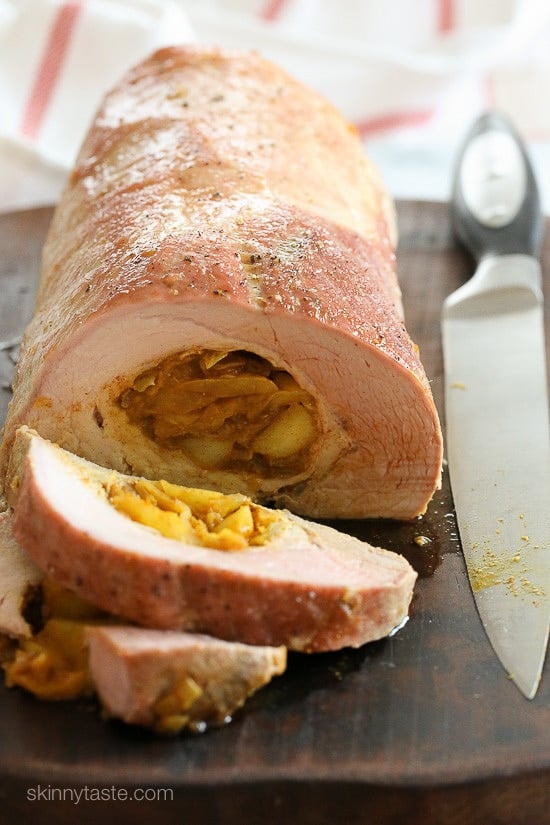
Apple-Stuffed Pork Loin with Moroccan Spices
www.skinnytaste.com · 80 min

Sticky Buns
www.onceuponachef.com · 105 min

Beef Tenderloin with Red Wine Sauce
www.onceuponachef.com · 100 min

One Pan Parmesan-Crusted Chicken with Broccoli
www.skinnytaste.com · 35 min

Five Spice Roasted Chicken Legs
www.skinnytaste.com · 445 min

Italian Meatloaf
www.onceuponachef.com · 90 min
Related terms
- Internal temperatureInternal temperature is the heat at the center of food, read with a probe thermometer. It is the surest way to know meat, fish and bread are done and safe.
- DonenessDoneness is how far food has cooked, from rare to well done for meat. This chart gives steak temperatures and the safe minimum for each meat.
- Carryover cookingCarryover cooking is the rise in temperature inside meat after it leaves the heat. A big roast can climb 3 to 8°C (5 to 15°F), so take it out early.
- Soft-ball stageThe soft-ball stage is sugar syrup cooked to 112 to 116°C (234 to 240°F). A drop in cold water forms a soft ball that flattens. It is used for fudge.
- Deep-fryDeep-frying cooks food fully submerged in hot oil, usually 170 to 190°C (340 to 375°F), for a crisp shell and a moist inside. Here is how to do it safely.
- Celsius and FahrenheitMost of the world cooks in degrees Celsius and the US cooks in Fahrenheit. Here is how to convert, with a table of common oven temperatures.