Balsamic vinegar
Balsamic vinegar is a dark, sweet Italian vinegar made from grape must. Learn which kind to buy, how to use it and what to swap in.
Also called Balsamic, Aceto balsamico, Balsamic glaze.
Balsamic vinegar is a dark, sweet and tangy vinegar from the Modena and Reggio Emilia area of northern Italy. It is made from grape must, which is crushed grape juice with the skins and seeds, cooked down and aged in wooden barrels. The result is less sharp than wine vinegar and has a fruity, slightly caramel taste.
How to use it
- In a vinaigrette, use 1 part balsamic to 3 parts olive oil with salt and a little mustard.
- Drizzle aged balsamic over strawberries, ripe tomatoes, grilled vegetables or shavings of Parmesan.
- Add a splash at the end of a tomato sauce or stew to brighten it.
- Reduce it in a small pan over low heat until it coats a spoon to make a glaze. 250 ml (1 cup) cooks down to about 80 ml (⅓ cup) in 10 to 15 minutes. It thickens more as it cools.
Substitutes
- Red wine vinegar with a pinch of sugar or a few drops of honey per tablespoon.
- Sherry vinegar, which has the same rounded, aged taste but less sweetness.
- For a glaze, pomegranate molasses gives a similar sweet-sour syrup.
How to store it
Keep it closed in a cool, dark cupboard. Vinegar is acidic enough to keep for years. A little sediment at the bottom is normal.
Common mistakes
- Cooking expensive aged balsamic. Heat drives off what you paid for. Use the cheaper kind for cooking and save the aged one for finishing.
- Reducing it over high heat. It can scorch quickly and turn bitter.
- Using balsamic where a recipe wants clean acid. Its sweetness and dark color can muddy a light sauce or pickle.
In recipes
There are three main kinds on the shelf. Aceto Balsamico Tradizionale is made only from cooked grape must and aged for at least 12 years. It is thick, sweet and expensive, and used by the drop. Aceto Balsamico di Modena is wine vinegar mixed with grape must and is the everyday kind for dressings and cooking. Balsamic glaze or cream is a thickened, sweetened version sold ready to drizzle. When a recipe just says "balsamic vinegar", it means the everyday Modena kind.
Recipes that use it
72 recipes from the sites we collect.

Caprese Salad
www.skinnytaste.com · 5 min

Summer Pasta Salad with Baby Greens
www.skinnytaste.com · 20 min

Grilled Salmon Bruschetta with Avocado
www.skinnytaste.com · 20 min

Crock Pot Pork Roast with Mushrooms and Polenta
www.skinnytaste.com · 500 min

Harvest Kale Salad with Roasted Winter Squash
www.skinnytaste.com · 50 min

Strawberry Chicken Salad
www.skinnytaste.com · 20 min
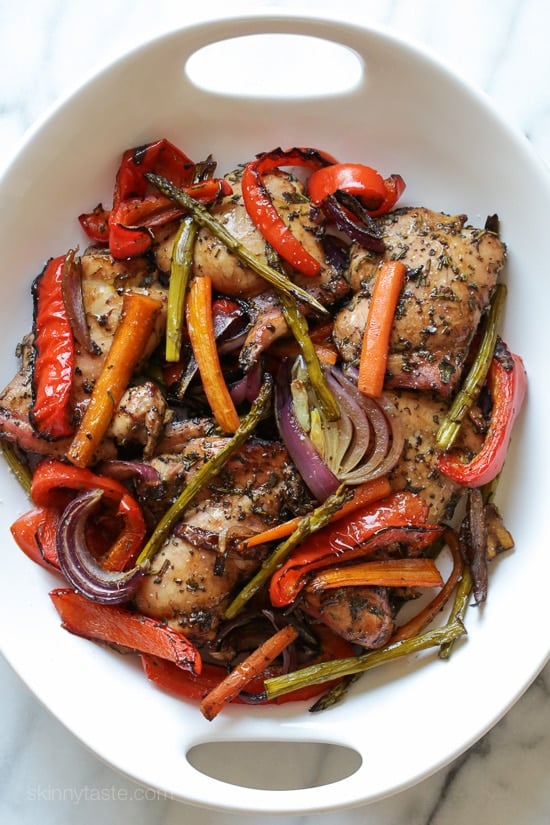
Balsamic Chicken with Roasted Vegetables
www.skinnytaste.com · 30 min
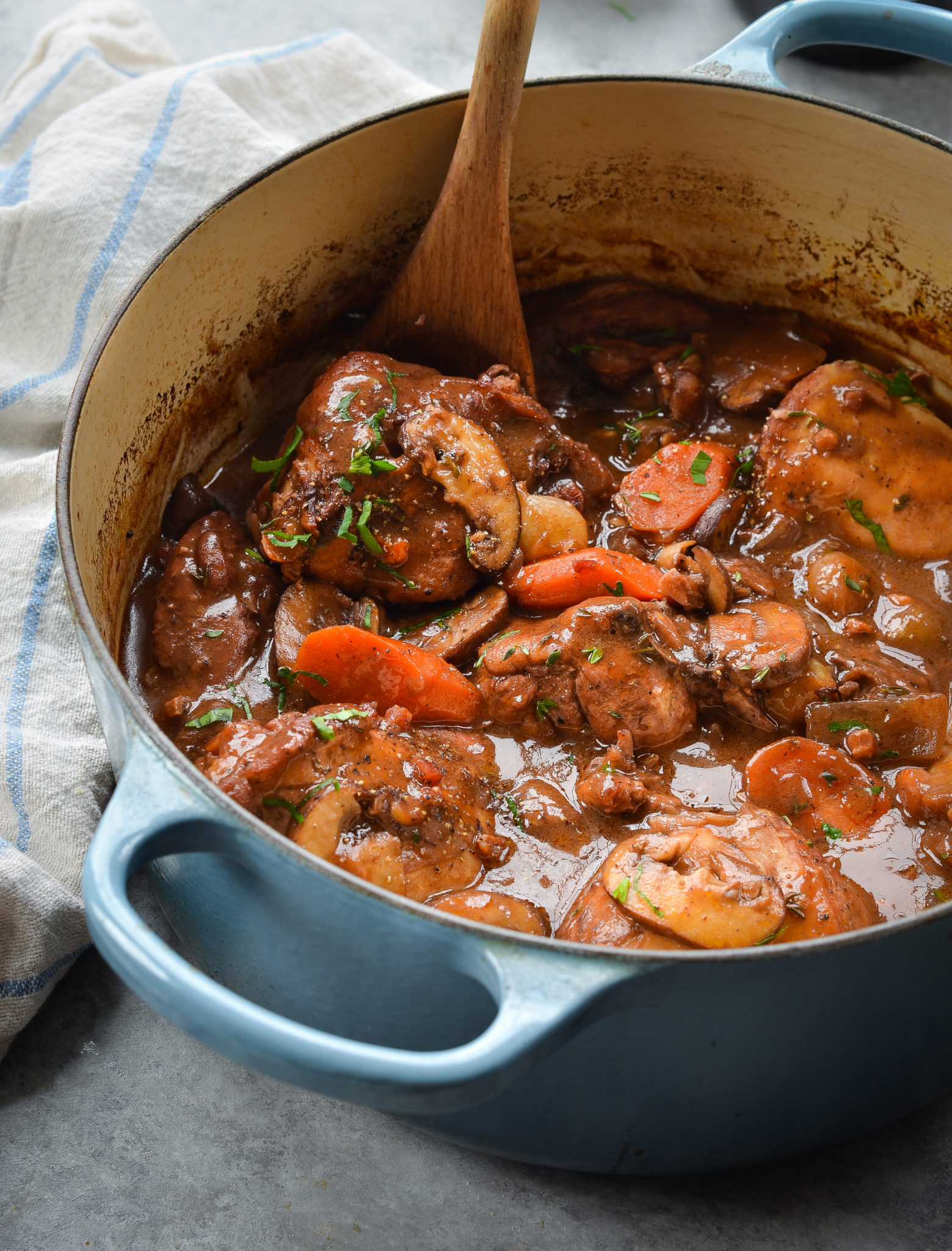
Coq au Vin
www.onceuponachef.com · 130 min

Crock Pot Maple Dijon Chicken Drumsticks
www.skinnytaste.com · 240 min

Balsamic-Glazed Roasted Beets
www.onceuponachef.com · 45 min

Beef Stew
www.onceuponachef.com · 240 min

Sesame Crusted Tuna Steak on Arugula
www.skinnytaste.com · 20 min
Related terms
- VinaigretteVinaigrette is a dressing of oil and vinegar, usually three parts oil to one part acid, with salt and mustard. It dresses salads, vegetables and grains.
- Sherry vinegarSherry vinegar is a nutty, aged Spanish vinegar made from sherry. It brightens gazpacho, romesco, dressings and pan sauces with a rounded tang.
- ReduceTo reduce is to simmer or boil a liquid uncovered so water evaporates, leaving a smaller amount that is thicker and more intense in flavor.
- Pomegranate molassesPomegranate molasses is pomegranate juice boiled down to a thick, sweet-sour syrup. It adds tang to dressings, stews, glazes and Middle Eastern dips.
- AcidAcid is the sour taste from lemon, vinegar, wine, tomatoes and yogurt. A splash at the end brightens a flat dish and balances salt, fat and sweetness.