Barbecue
Barbecue is cooking meat low and slow over indirect heat and wood smoke for hours, until tough cuts turn tender. In the UK the word also means grilling.
Also called BBQ, Barbeque, Barbecuing.
In American cooking, barbecue means cooking meat slowly with indirect heat and wood smoke, often at 105 to 135°C (225 to 275°F) for many hours. Tough cuts such as pork shoulder, brisket and ribs turn tender and take on a smoky crust. In the UK and Australia, "barbecue" also names the outdoor grill itself and any cooking on it, which Americans call grilling.
How to do it
- Set up for indirect heat: coals or burners on one side, the meat on the other, lid closed.
- Add wood chunks or chips to the fire for smoke. Thin, pale blue smoke is what you want. Thick white smoke tastes bitter.
- Keep the cooker at a steady 105 to 135°C (225 to 275°F). Adjust the vents, not the lid.
- Put the meat fat side up, close the lid, and leave it. Every look lets heat and smoke out.
- Many cooks wrap the meat in foil or butcher paper partway through to push past the stall.
- Rest the meat, wrapped, for at least 30 minutes before you cut it.
How to tell it is done
Barbecue is done when it is tender, not just safe. Pork shoulder and brisket are usually ready at an internal temperature of about 90 to 96°C (195 to 205°F), when a probe slides in like it is going into soft butter. Ribs bend and crack on the surface when you lift them from one end.
Why it works
Shoulder and brisket are full of collagen. Held for hours between about 70 and 95°C (160 and 200°F), the collagen melts into gelatin, which makes the meat moist and fork-tender. Cooking hotter would dry the muscle before that happens.
Common mistakes
- Judging by time alone. Two briskets of the same weight can be hours apart.
- Panicking at the stall. The temperature can sit flat for hours as moisture evaporates from the surface. It will move again.
- Too much smoke. Meat takes up most smoke flavor early. More is not better.
- Slicing straight away. The juices run out onto the board.
Where it comes from
The word likely comes from barbacoa, a Spanish rendering of a Caribbean word for a wooden frame used to cook over a fire.
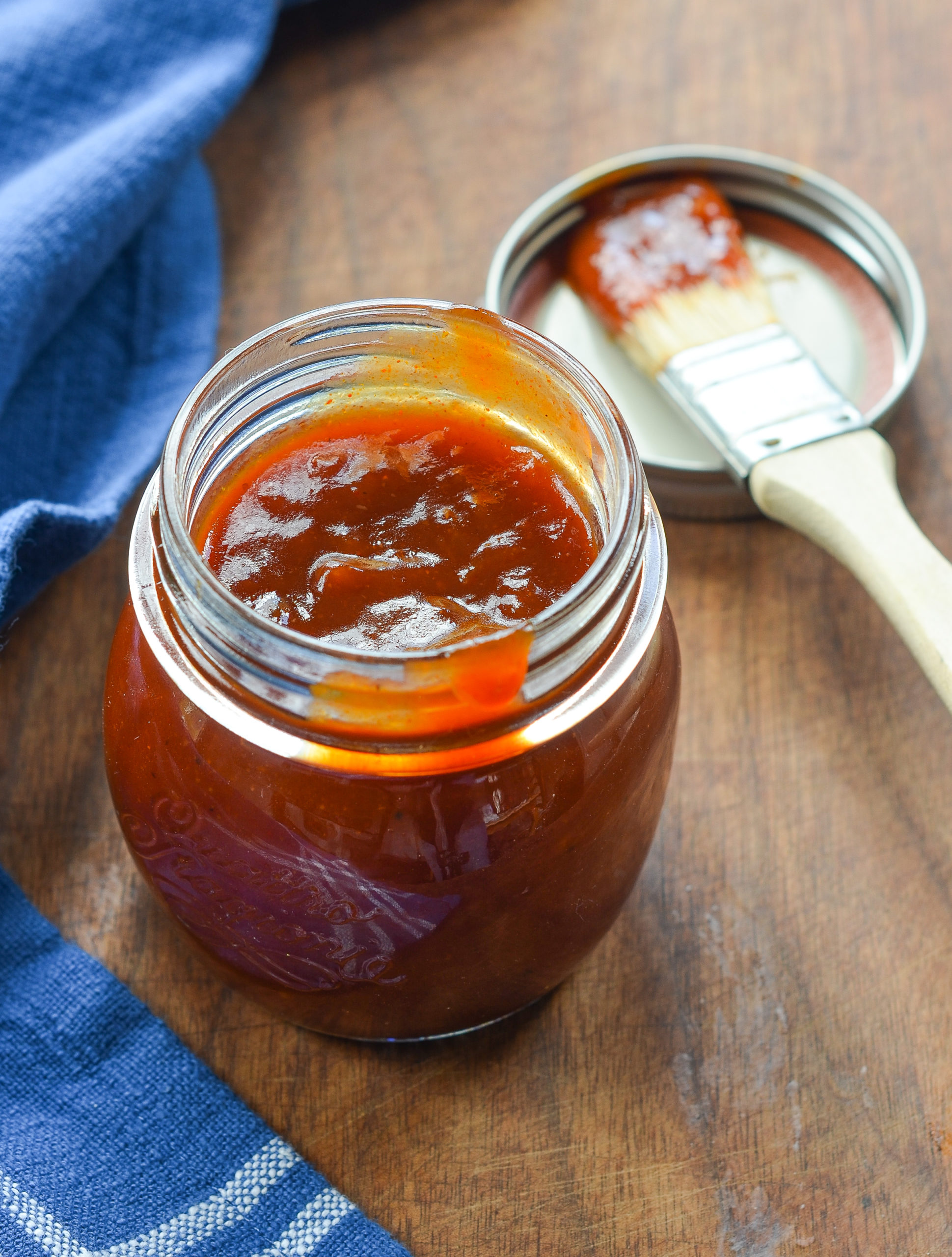
Barbecue recipes
15 recipes from the sites we collect.


Related terms
- SmokeSmoking flavors and cooks food with smoke from smoldering wood. Hot smoking cooks meat and fish as it flavors them; cold smoking only flavors them.
- GrillGrilling cooks food on a grate over direct, high heat from charcoal, gas or wood. It gives a browned, smoky crust and those dark stripes in minutes.
- Internal temperatureInternal temperature is the heat at the center of food, read with a probe thermometer. It is the surest way to know meat, fish and bread are done and safe.
- Fork-tenderFork-tender means cooked until a fork slides in and twists with almost no resistance. It is how you know braised meat and root vegetables are ready.
- Slow-cookSlow-cooking simmers food for hours at a low, steady heat, usually in an electric slow cooker or low oven, until tough meat and dried beans turn tender.