Smoke
Smoking flavors and cooks food with smoke from smoldering wood. Hot smoking cooks meat and fish as it flavors them; cold smoking only flavors them.
Also called Smoking, Smoked, Hot smoke, Cold smoke.
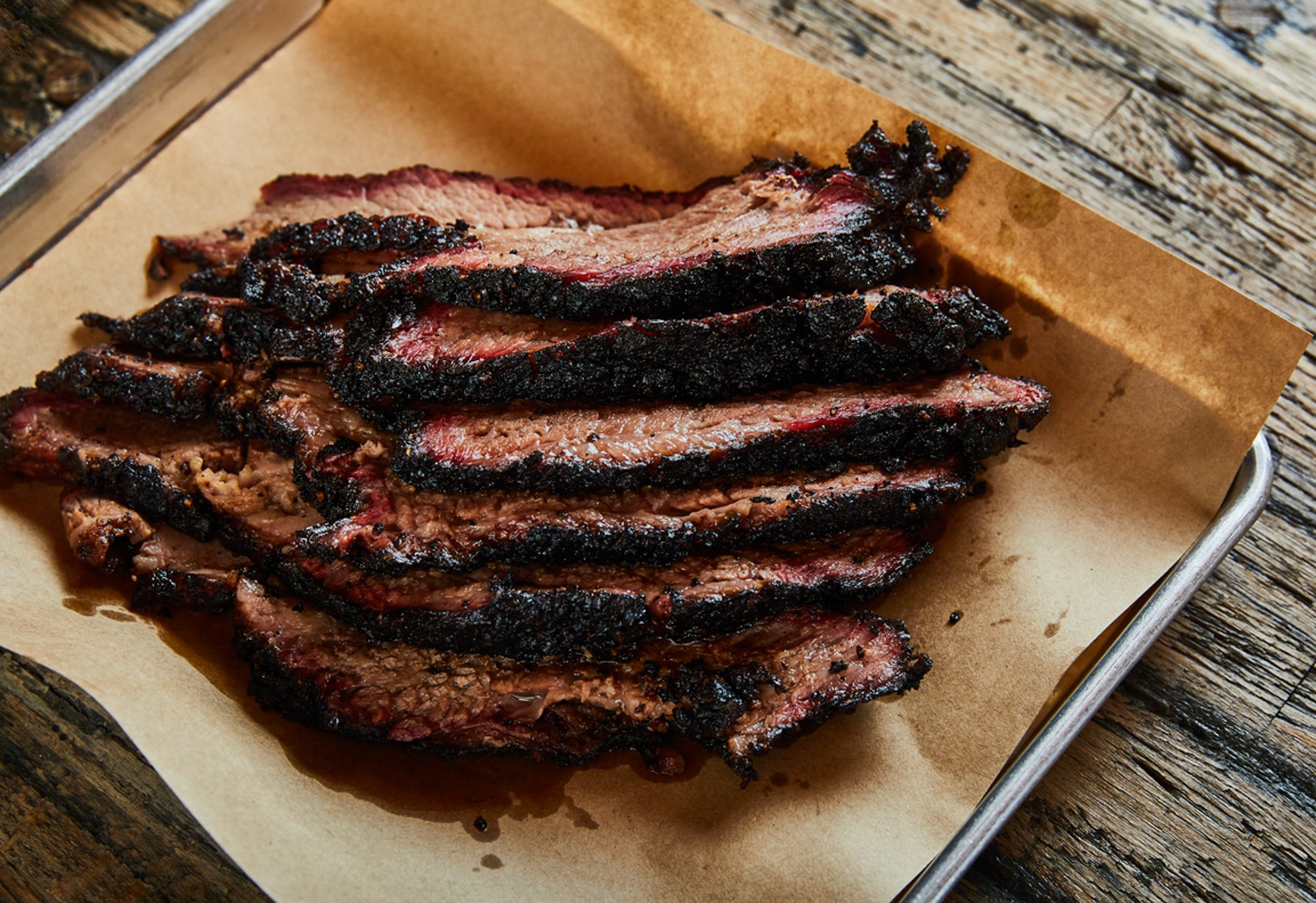
To smoke food is to expose it to smoke from smoldering wood, so it takes on smoky flavor and color. Hot smoking also cooks the food, usually at 95 to 135°C (200 to 275°F), and is how you make barbecue, smoked chicken and hot-smoked salmon. Cold smoking keeps the food below about 30°C (85°F), so it flavors without cooking. Cold-smoked salmon, bacon and cheese are made this way.
How to do it
Hot smoking on a kettle grill or smoker:
- Season or brine the food, then let the surface dry so smoke sticks to it.
- Light a small fire on one side, or set up a smoker, and hold it at 105 to 135°C (225 to 275°F).
- Add wood chunks or soaked chips to the coals. Hickory, oak, apple and cherry are common.
- Put the food on the cool side, close the lid and keep the vents partly open.
- Smoke until it reaches a safe internal temperature: 74°C (165°F) for poultry, 63°C (145°F) for fish.
Cold smoking needs a separate smoke generator and is usually done on food that has been salted or cured first. Because the food is never cooked, it carries more food safety risk and is best left to tested recipes.
How to tell it is done
Hot-smoked food reaches its target temperature and has a brown to mahogany color. The smoke coming out of the cooker should be thin and pale blue, or almost invisible.
Why it works
Burning wood releases compounds that give smoky, sweet and spicy flavors. They stick best to a cool, slightly tacky surface, which is why most of the flavor lands in the first hour or two. Slow, low heat also gives tough cuts time to become tender.
Common mistakes
- Thick white or gray smoke. It comes from a fire without enough air and makes food bitter. Open the vents.
- Using softwoods such as pine. They give harsh, sooty smoke.
- Adding wood all the time. Too much smoke covers the taste of the food.
- Cold smoking raw meat without curing it. This is unsafe.
- Opening the lid often. Heat and smoke escape.
Recipes that use this technique
2 recipes from the sites we collect.

Related terms
- BarbecueBarbecue is cooking meat low and slow over indirect heat and wood smoke for hours, until tough cuts turn tender. In the UK the word also means grilling.
- CureTo cure is to preserve meat or fish with salt, often with sugar, nitrite or smoke. It draws out water and adds flavor, as in bacon and gravlax.
- Internal temperatureInternal temperature is the heat at the center of food, read with a probe thermometer. It is the surest way to know meat, fish and bread are done and safe.
- BrineA brine is salt dissolved in water. Soaking meat in it for hours makes it juicier and seasons it through. Here are the ratios, times and safety rules.
- Smoked paprikaSmoked paprika is ground red pepper dried over oak fires, like Spanish pimentón de la Vera. It gives a smoky flavor to chorizo, paella and stews.