Cure
To cure is to preserve meat or fish with salt, often with sugar, nitrite or smoke. It draws out water and adds flavor, as in bacon and gravlax.
Also called Curing, Cured, Salt cure.
To cure food means to preserve it with salt, usually with sugar and sometimes with nitrite, smoke or drying. Curing draws water out, firms the texture and makes food less friendly to bacteria. Bacon, ham, salami, salt cod, gravlax and many kinds of charcuterie are cured.
How to do it
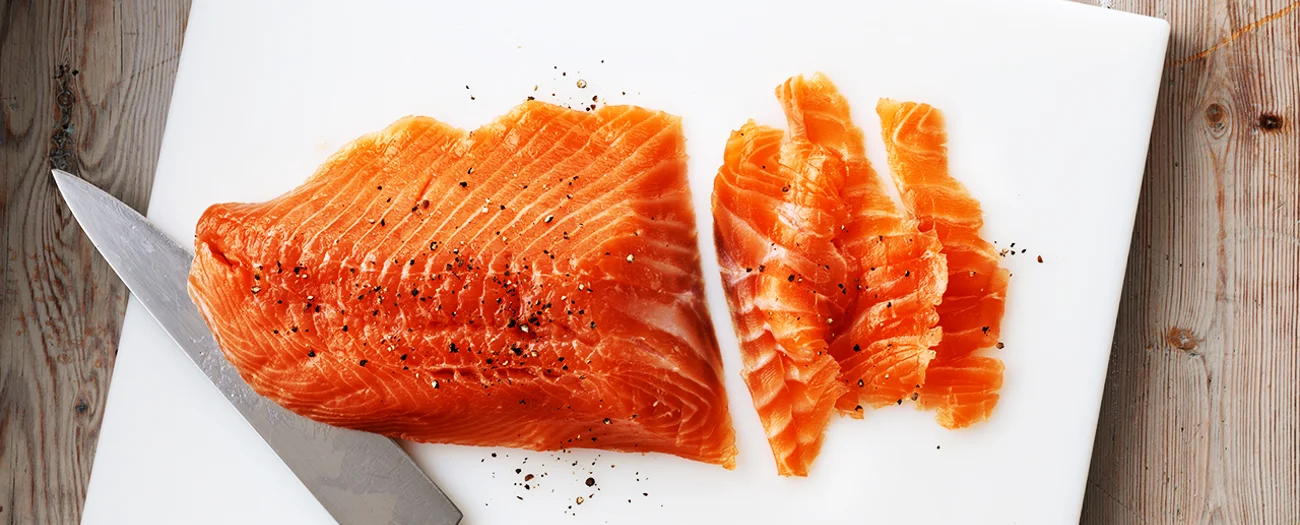
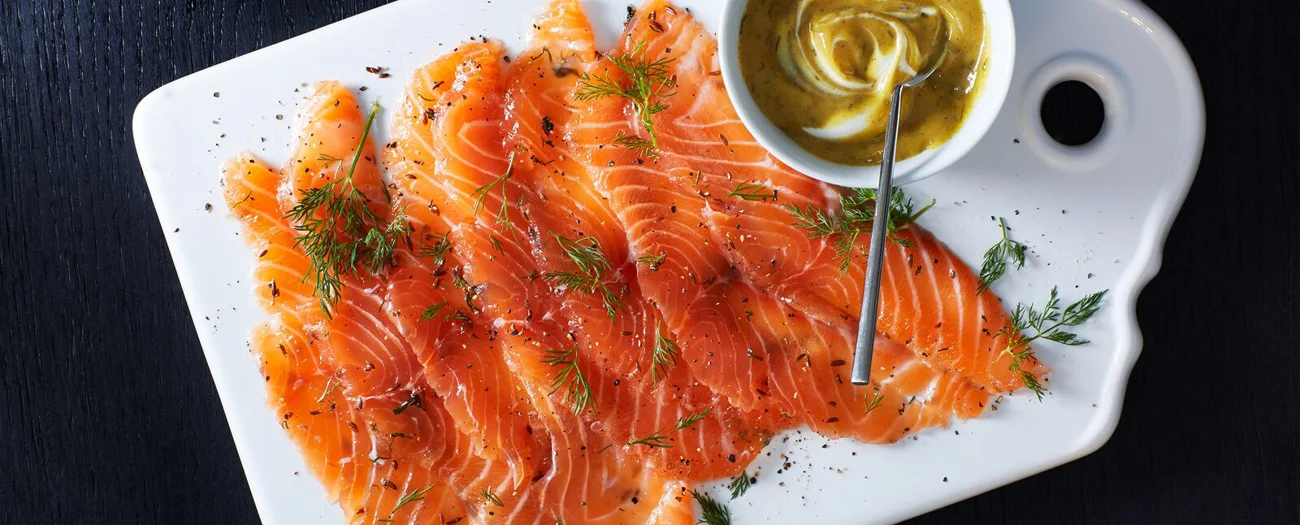
A simple home cure for salmon (gravlax):
- Mix equal weights of salt and sugar, about 50 g (1/4 cup) of each for a 500 g (1 pound) skin-on fillet, with chopped dill and crushed pepper.
- Pack the mix over the flesh side.
- Wrap tightly and put in a dish with a weight on top.
- Refrigerate for 48 to 72 hours, turning once a day and pouring off liquid.
- Scrape off the cure, pat dry and slice thinly.
Use fish that has been frozen first, or sold as safe to eat raw, since curing does not kill parasites.
Why it works
Salt pulls water out of cells and binds the water that remains, so bacteria cannot grow easily. Salt also changes muscle proteins, making the flesh firm and dense. Sugar softens the harsh salt taste and helps keep the texture tender.
Curing salts contain a small amount of sodium nitrite. Nitrite keeps cured meat pink, gives it its typical "ham" flavor, and protects against the bacteria that cause botulism, especially in sausages and in meat that is cured for weeks.
Common mistakes
- Using curing salt as table salt. It is dyed pink so you can tell it apart, and too much is toxic. Weigh it and follow the recipe exactly.
- Mixing up curing salt No. 1, for short cures and bacon, with No. 2, for long-aged meats.
- Leaving out nitrite from long dry-cured sausages that call for it.
- Curing at room temperature. Keep cures at 1 to 4°C (34 to 40°F) unless the recipe is designed for a curing chamber.
In recipes
"Cured" on a label means preserved with salt, often with nitrite. "Uncured" bacon is usually cured with celery powder, a natural source of nitrite. A quick cure of a few hours, as for fish, is close to a dry brine.
Recipes that use this technique
5 recipes from the sites we collect.


Related terms
- BrineA brine is salt dissolved in water. Soaking meat in it for hours makes it juicier and seasons it through. Here are the ratios, times and safety rules.
- Dry brineTo dry brine is to salt meat ahead of time and leave it uncovered in the fridge. It seasons deeply, keeps meat juicy and gives crisp skin, with no bucket.
- SmokeSmoking flavors and cooks food with smoke from smoldering wood. Hot smoking cooks meat and fish as it flavors them; cold smoking only flavors them.
- CharcuterieCharcuterie is cured, smoked and cooked meat such as ham, salami, pâté and rillettes, often served on a board. See what to buy and how to serve it.
- BotulismBotulism is a rare but serious illness caused by a toxin that grows in low-acid, airless food, such as badly home-canned vegetables or garlic in oil.