Bell pepper
Bell peppers are sweet, crisp peppers with no heat. They are called peppers in the UK, capsicum in Australia and India, and paprika in Sweden.
Also called Sweet pepper, Pepper, Capsicum, Paprika, Red pepper.
A bell pepper is a large, mild, blocky pepper with thick, crunchy walls. Unlike chiles, it has almost no heat. Green bell peppers are picked before they ripen and taste grassy and slightly bitter. Red, yellow and orange ones are ripe and much sweeter. They are eaten raw, roasted, stuffed, grilled and in stews.
How to do it
- Cut off the top and bottom.
- Slice down one side and open the pepper out flat.
- Run your knife along the inside to cut away the white ribs and seeds.
- Slice or dice the flat piece.
To roast, char whole peppers over a gas flame, under a hot broiler (grill in the UK) or at 230°C (450°F) until the skin is blackened all over. Put them in a covered bowl for 10 minutes, then peel off the skin.
How to use it
The name changes depending on where you are:
- Bell pepper in the US and Canada.
- Pepper, as in "red pepper" or "green pepper", in the UK and Ireland. UK shops also say sweet pepper.
- Capsicum in Australia, New Zealand, India and Singapore.
- Paprika in Sweden, Germany and the Netherlands, where the same word is also used for the dried, ground spice. A Swedish recipe asking for "1 röd paprika" means a fresh red bell pepper.
In American recipes, "red pepper" alone can mean a bell pepper or crushed red pepper flakes. The amount gives it away: "1 red pepper, diced" is a vegetable, "½ tsp red pepper" is the spice.
How to store it
Keep whole peppers in the fridge drawer for 1 to 2 weeks. Green ones last longest. Cut peppers keep 3 to 4 days in a covered container.
Common mistakes
- Using green peppers where a recipe wants red. The dish will taste sharper and less sweet.
- Rinsing roasted peppers to remove the skin. You wash away flavor. Rub the skin off instead.
- Cooking them too long in a stir-fry. They should stay crisp.
In recipes
You will see bell pepper in the Cajun holy trinity, in a Spanish or Latin sofrito and in ratatouille. Look for "1 red bell pepper, diced", "2 peppers, deseeded and sliced" and "1 gul paprika" (a yellow pepper).
Recipes that use it
69 recipes from the sites we collect.

Amazing Mushroom Bowls with Kale Pesto
pinchofyum.com · 50 min

Sheet Pan Chicken Pitas with Tzatziki
pinchofyum.com · 45 min

Harissa Meatballs with Whipped Feta
pinchofyum.com · 45 min

Instant Pot Chicken Cacciatore
pinchofyum.com · 30 min

Panzanella Salad
www.onceuponachef.com · 40 min

Roasted Pepper Salad with Feta, Pine Nuts & Basil
www.onceuponachef.com · 25 min

Greek Salad
www.onceuponachef.com · 30 min

Crock Pot Chicken a la Criolla
www.skinnytaste.com · 370 min
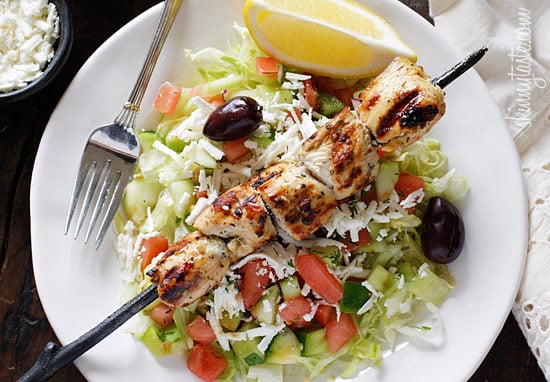
Mediterranean Chicken Kebab Salad
www.skinnytaste.com · 150 min

Panang Curry
www.onceuponachef.com · 40 min

Southwest Sweet Potato Tater Tot Hotdish
pinchofyum.com · 45 min

Quinoa Crunch Salad with Peanut Dressing
pinchofyum.com · 35 min
Related terms
- CharCharring cooks food over intense heat until parts of the surface turn black and blistered, adding smoky flavor to peppers, corn, onions and meat.
- SeedTo seed is to remove the seeds and pith from fruit and vegetables such as chilies, bell peppers, tomatoes, cucumbers, squash and pomegranates.
- CoreTo core is to cut out the tough center of a fruit or vegetable, such as the seeds of an apple, the stem of a tomato or the heart of a cabbage.
- Holy trinityThe holy trinity is onion, celery and green bell pepper, chopped and cooked as the flavor base of Cajun and Creole dishes such as gumbo and jambalaya.
- SofritoSofrito is a cooked base of onion, garlic, peppers and often tomato used across Spanish, Latin American and Caribbean cooking for rice, beans and stews.
- RatatouilleRatatouille is a Provençal stew of eggplant, zucchini, bell pepper, onion and tomato cooked in olive oil. See why each vegetable is cooked on its own.