Cereals containing gluten
Cereals containing gluten is the EU allergen group for wheat, rye, barley and oats, including spelt and khorasan. Labels must name the grain.
Also called Gluten-containing cereals, Gluten cereals.
Cereals containing gluten is the first of the EU 14 allergens. The group covers wheat (including spelt and khorasan wheat), rye, barley, oats, their hybrids such as triticale, and products made from them. The UK uses the same list. On prepacked food the label must name the actual grain, such as "wheat flour" or "barley malt", and emphasize it, not just say "gluten".
How to use it
Read the ingredients list and look for the emphasized grain names. Then think about who you are cooking for:
- Someone with celiac disease needs to avoid all of these grains, and oats unless they are labeled gluten-free.
- Someone with a wheat allergy needs to avoid wheat but may be able to eat rye, barley or oats. Their doctor decides that.
A few ingredients made from these grains are processed so far that EU law exempts them from the allergen rules. They include wheat-based glucose syrups (dextrose included), wheat-based maltodextrins, barley-based glucose syrups, and grain used to make distilled spirits.
Common mistakes
- Treating "wheat-free" as "gluten-free". A wheat-free bread can still be made with rye or barley.
- Forgetting the wheat family: spelt, durum, semolina, farro, einkorn, emmer, bulgur, couscous and freekeh are all wheat.
- Reading a US label as if it followed EU rules. In the US only wheat is a major allergen. Rye, barley and oats are in the ingredients list but are not called out in the "Contains" statement.
In recipes
These grains turn up well beyond bread and pasta. Look out for them in:
- Coatings and crumbs such as panko and batter
- Sauces thickened with a roux or flour, including most gravy
- Soy sauce, which is usually brewed with wheat
- Malt vinegar, malt extract and beer, which come from barley
- Seitan, which is almost pure wheat gluten
- Stock cubes, spice mixes and sausages, which sometimes use wheat flour as a filler
If you or someone you cook for must avoid gluten, read the label every time, because recipes change. A doctor or dietitian can explain exactly what to avoid.
Recipes free from it
1949 recipes from the sites we collect.
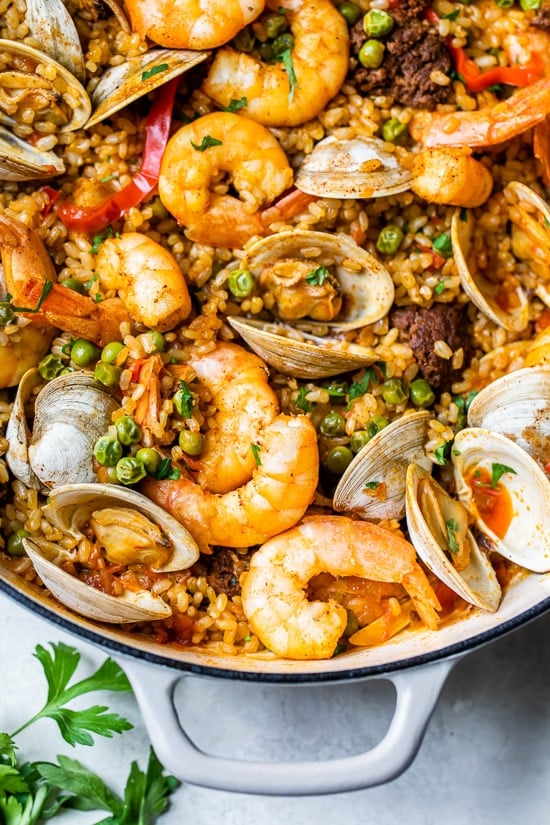
Seafood Paella Recipe
www.skinnytaste.com · 45 min

Instant Pot Mashed Potatoes
www.skinnytaste.com · 20 min

Instant Pot Carnitas (Mexican Pulled Pork)
www.skinnytaste.com · 100 min

Fish Florentine
www.skinnytaste.com · 20 min
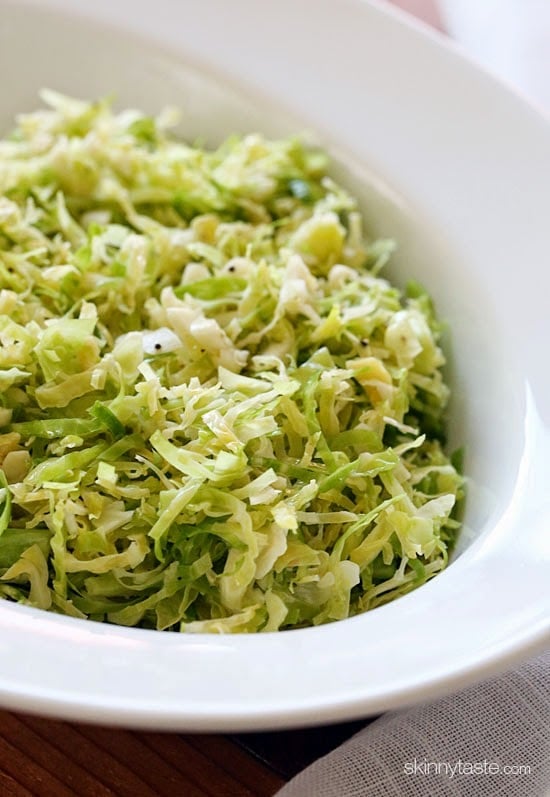
Raw Shredded Brussels Sprouts with Lemon and Oil
www.skinnytaste.com · 15 min

Instant Pot Brown Rice Recipe
www.skinnytaste.com · 45 min

Butternut Squash Lentil Soup Recipe
www.skinnytaste.com · 65 min

Fall Kale Salad with Chicken
www.skinnytaste.com · 45 min

Cream of Broccoli Soup
www.skinnytaste.com · 20 min

Split Pea Soup Recipe with Ham
www.skinnytaste.com · 125 min

Easy Tomatillo Huevos Rancheros
www.skinnytaste.com

Quinoa Huevos Rancheros Bowls
www.skinnytaste.com · 30 min
Related terms
- EU 14 allergensThe EU 14 allergens are the foods that EU and UK law says must be emphasized on food labels and declared by restaurants, from gluten to lupin.
- GlutenGluten is the stretchy protein network that forms when wheat flour meets water. It gives bread its chew and structure, and too much makes cakes tough.
- Celiac diseaseCeliac disease (coeliac disease in the UK) is an autoimmune condition in which gluten damages the gut. Cooking for it means no wheat, rye or barley.
- Wheat allergyA wheat allergy is an immune reaction to proteins in wheat. It is not celiac disease, and some foods labeled gluten-free can still contain wheat.
- Gluten-freeGluten-free on a label means under 20 parts per million of gluten in the EU, UK and US. Here is what that covers and how to cook gluten-free at home.
- US major allergensThe US major food allergens are nine foods that must be named on US labels, from milk, eggs and peanuts to wheat, soy and, since 2023, sesame.