Soy sauce
Soy sauce is a salty, savory sauce brewed from soybeans, wheat and salt. Light, dark and tamari explained, plus how to use it, swap it and store it.
Also called Soya sauce, Shoyu, Tamari, Light soy sauce, Dark soy sauce.
Soy sauce is a dark, salty liquid made by fermenting soybeans and usually roasted wheat with salt, water and a mold called koji. After months of brewing, the mash is pressed and the liquid is bottled. It tastes salty, savory and slightly sweet, and it is the main seasoning in Chinese, Japanese, Korean and much Southeast Asian cooking. It is rich in umami.
How to use it
- Season stir-fries, fried rice, noodles and soups instead of, or as well as, salt.
- Make marinades for meat, fish and tofu with garlic, ginger and sugar.
- Mix dipping sauces for dumplings and sushi.
- Add a dash to gravies, stews, burgers and salad dressings for savory depth.
Add it a little at a time and taste. Many recipes need less salt once soy sauce is in.
Substitutes
- Tamari, a Japanese style made with little or no wheat. Use the same amount.
- Coconut aminos, a soy-free option. It is sweeter and much less salty, so add salt.
- Fish sauce for saltiness and depth, about half the amount.
- Miso thinned with water, in a pinch.
How to store it
Unopened bottles keep for years in a cupboard. After opening, it stays safe in the cupboard because of the salt, but it darkens and loses its fresh taste over a few months. Keep it in the fridge to slow this down.
In recipes
The kind matters:
- Light soy sauce (Chinese) is thin, salty and lighter in color. When a Chinese recipe just says "soy sauce", it means this.
- Dark soy sauce (Chinese) is aged longer, often with molasses. It is thicker, less salty and mainly adds color and sweetness. Do not swap it one for one with light.
- Japanese soy sauce (shoyu) sits between the two and works in most recipes.
- Low-sodium soy sauce has some salt removed.
Most soy sauce contains wheat, so it is not safe for people with celiac disease. Look for tamari labeled gluten-free. All soy sauce contains soy, which matters for a soy allergy.
Recipes that use it
193 recipes from the sites we collect.
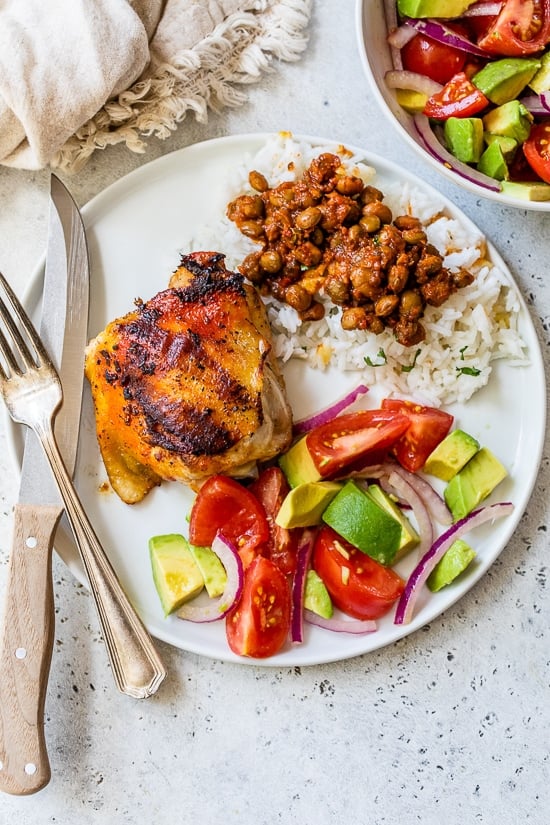
Broiled or Grilled Pollo Sabroso
www.skinnytaste.com · 25 min

Filipino BBQ Pork Skewers
www.skinnytaste.com · 385 min

Asian Slaw Recipe with Mango
www.skinnytaste.com · 30 min
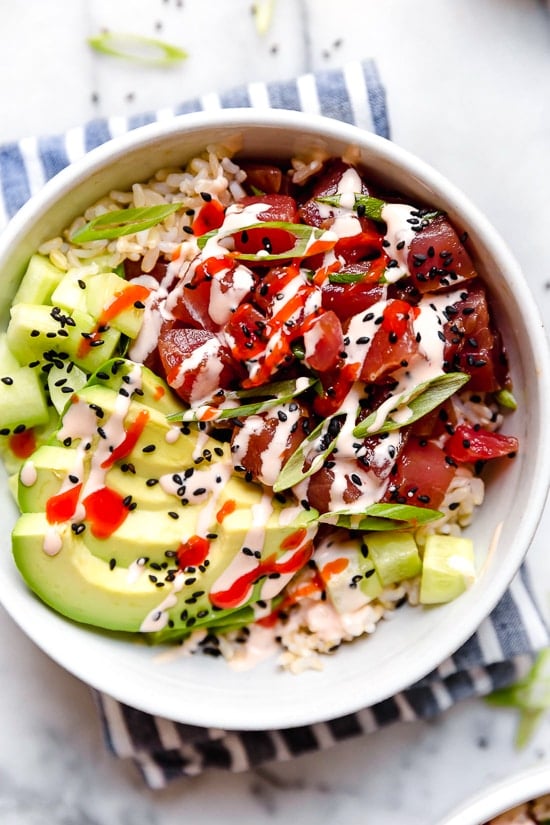
Spicy Tuna Poke Bowl
www.skinnytaste.com · 15 min

Korean Salmon Rice Bowl
www.skinnytaste.com · 21 min

Korean Beef Bowl Recipe
www.skinnytaste.com · 30 min

Chicken and Zucchini Yakitori
www.skinnytaste.com · 60 min

Thai Fried Rice Recipe
www.skinnytaste.com · 15 min

Chicken and Vegetable Stir Fry
www.skinnytaste.com · 30 min

Broiled Tilapia with Thai Coconut Curry Sauce
www.skinnytaste.com · 25 min

Tuna Tartare Recipe
www.skinnytaste.com · 10 min

Pineapple Shrimp Fried Rice
www.skinnytaste.com · 30 min
Related terms
- UmamiUmami is the savory, meaty taste found in Parmesan, soy sauce, tomatoes, mushrooms and broth. It is one of the five basic tastes.
- FermentationFermentation is when yeasts or bacteria break down sugars and change food. It raises bread, sours sauerkraut and yogurt, and makes wine and miso.
- MisoMiso is a salty, savory Japanese paste of fermented soybeans and koji. Learn the types, how to make miso soup and why you should never boil it.
- Fish sauceFish sauce is a salty, savory liquid made from fermented anchovies. It seasons Thai and Vietnamese food and adds depth to dressings and stews.
- Soy allergyA soy allergy is a reaction to proteins in soybeans. Soy turns up in soy sauce, tofu, miso and many processed foods, and is labeled in the EU and US.
- Celiac diseaseCeliac disease (coeliac disease in the UK) is an autoimmune condition in which gluten damages the gut. Cooking for it means no wheat, rye or barley.