Fermentation
Fermentation is when yeasts or bacteria break down sugars and change food. It raises bread, sours sauerkraut and yogurt, and makes wine and miso.
Also called Ferment, Fermented.
Fermentation is the process in which microbes, mainly yeasts and bacteria, feed on sugars and starches in food and turn them into other substances, such as gas, alcohol or acid. Cooks use it to raise bread, preserve vegetables, and make cheese, yogurt, wine, beer, vinegar, miso, soy sauce, kimchi and many other foods. The microbes also create new flavors, from tangy to savory.
Why it works
Microbes break down food for their own energy. The by-products they release change the food: gas makes bread rise, acid makes food sour and keeps harmful bacteria out, and enzymes break proteins into savory amino acids. Temperature controls speed. Most bread doughs ferment well around 24 to 27°C (75 to 80°F). Lower temperatures slow it down and allow more flavor to develop.
How to use it
The main kinds you will meet in a kitchen:
| Kind | Microbe | Main product | Examples |
|---|---|---|---|
| Yeast | Yeasts | Carbon dioxide and alcohol | Bread, beer, wine |
| Lactic acid | Lactic acid bacteria | Lactic acid | Yogurt, sauerkraut, kimchi, sourdough |
| Acetic acid | Acetic acid bacteria | Acetic acid | Vinegar, kombucha |
| Mold | Molds such as koji | Enzymes that break down starch and protein | Miso, soy sauce, sake |
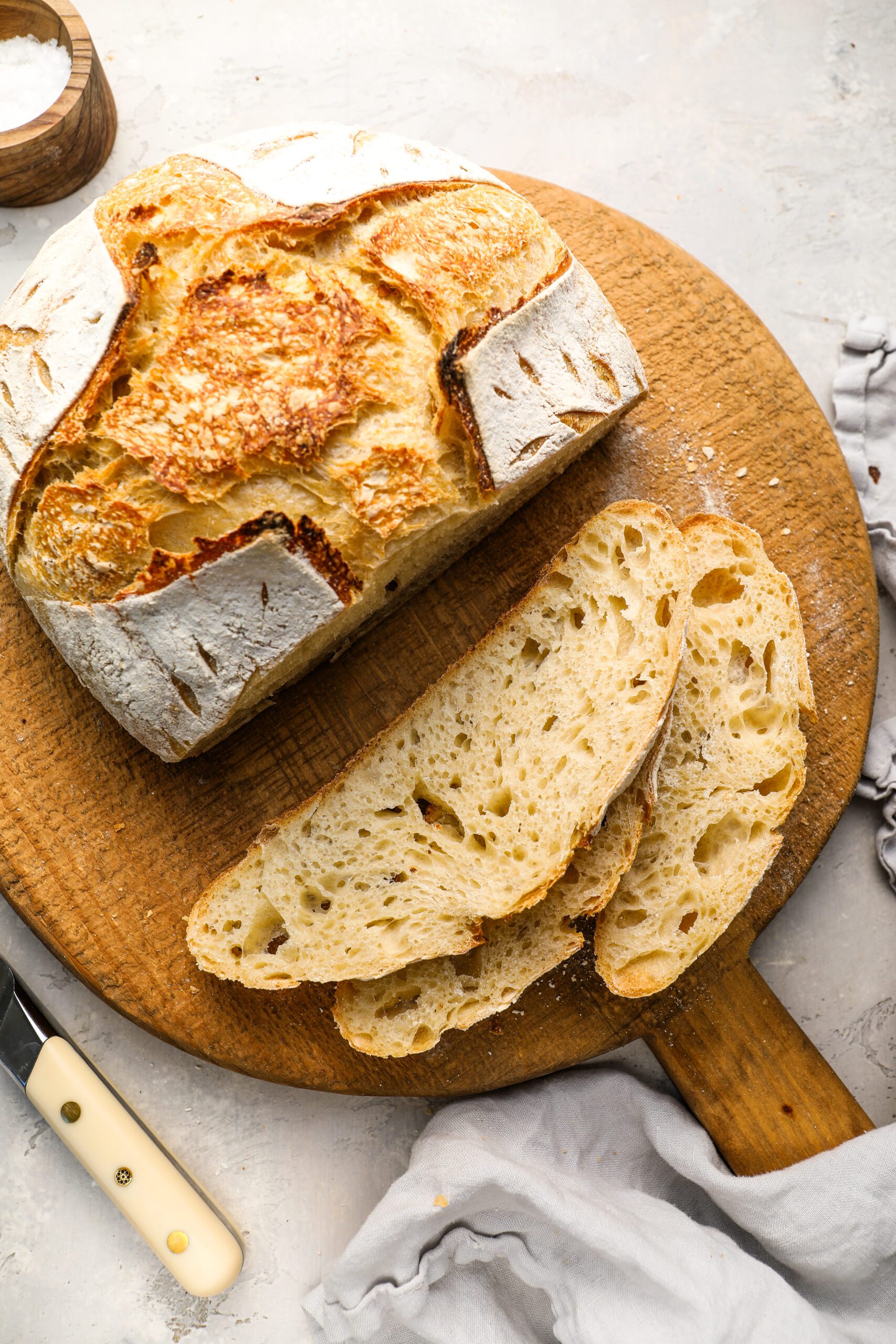
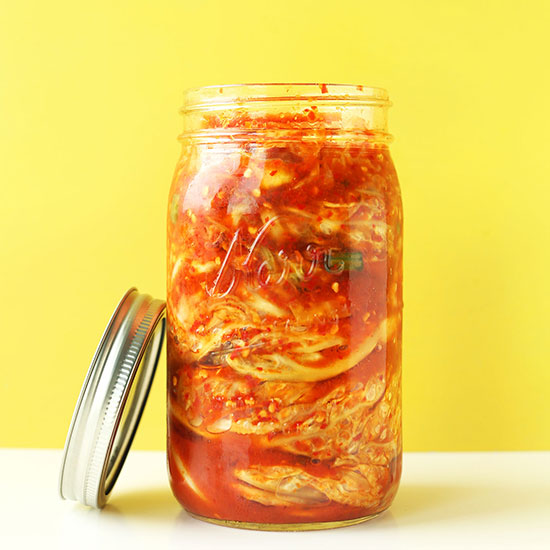
In bread, yeast makes gas that raises the dough during bulk fermentation and proofing. A sourdough starter holds both wild yeast and lactic acid bacteria, which add sourness. For vegetables, see lacto-fermentation.
Common mistakes
- Fermenting too warm, which speeds things up but can give off flavors or overproofed dough.
- Using chlorinated tap water, which can slow some ferments. Let it stand for a few hours or use filtered water.
- Ignoring signs of spoilage. Fuzzy mold in many colors, a slimy texture or a rotten smell mean throw it out. Follow tested recipes for salt levels.
- Sealing a fermenting jar so tightly that gas builds up. Use an airlock or open the lid daily.
In recipes
"Let it ferment" in a bread recipe means let the dough rise. In vegetable recipes it means leave the jar at room temperature, often for days, until sour.
Recipes that use this technique
2 recipes from the sites we collect.
Related terms
- Lacto-fermentationLacto-fermentation preserves vegetables with salt and the lactic acid bacteria on them. It makes sauerkraut, kimchi and sour pickles with no vinegar.
- YeastYeast is a living fungus that makes bread rise. Fresh, active dry and instant yeast explained, with conversions, temperatures and what goes wrong.
- Sourdough starterA sourdough starter is a fed mix of flour and water full of wild yeast and bacteria that leavens bread. Here is how to make, feed and store one.
- Bulk fermentationBulk fermentation is the first rise, when bread dough ferments in one mass before shaping. It builds flavor and strength. Here is how to judge it.
- MisoMiso is a salty, savory Japanese paste of fermented soybeans and koji. Learn the types, how to make miso soup and why you should never boil it.
- PickleTo pickle is to preserve food in an acidic liquid, either vinegar or a salty brine that ferments. Quick fridge pickles are ready in an hour or less.