Sourdough starter
A sourdough starter is a fed mix of flour and water full of wild yeast and bacteria that leavens bread. Here is how to make, feed and store one.
Also called Starter, Levain, Sourdough culture, Mother dough.
A sourdough starter is a living mix of flour and water that holds wild yeasts and lactic acid bacteria. You use it instead of commercial yeast to raise bread. The yeast makes the gas, and the bacteria make the sour taste. You keep a starter alive by feeding it fresh flour and water on a regular schedule.
How to do it
To make one:
- Mix 50 g whole wheat or rye flour with 50 g water in a clean jar. Cover loosely.
- Leave it at room temperature, ideally 24 to 26°C (75 to 79°F).
- Every 24 hours, throw away all but about 50 g and feed it with 50 g flour and 50 g water.
- After a few days it may bubble a lot, then go quiet. Keep feeding.
- In 1 to 2 weeks it should rise and fall on a steady schedule.
To use one, feed it 4 to 12 hours before baking and use it when it has peaked.
How to tell it is done
A ready starter doubles in size within 4 to 8 hours of feeding. It is full of bubbles, domed on top, and smells pleasantly sour, like yogurt or beer. A small spoonful dropped into water often floats, though this test is not always reliable.
Why it works
Flour carries wild yeasts and bacteria. Regular feeding with flour and water favors the ones that grow well together in a sour mix. The bacteria make acids that keep most mold and unwanted microbes away. This is a kind of lacto-fermentation paired with yeast fermentation.
How to store it
If you bake often, keep it on the counter and feed it once or twice a day. If you bake once a week or less, keep it in the fridge and feed it once a week. Take it out a day before baking and feed it once or twice to wake it up.
Common mistakes
- Using it before it peaks. The bread rises poorly.
- Giving up during the quiet phase in the first week. It is normal.
- Using chlorinated tap water if the starter is slow. Leave the water out overnight or use filtered water.
- Ignoring pink or orange streaks, or fuzzy mold. Throw the starter away and start again. A gray liquid on top is just hungry starter. Pour it off and feed.
In recipes
"Levain" is the portion of starter built up for a bake. "Active" or "ripe" starter means at its peak.
Sourdough starter recipes
12 recipes from the sites we collect.
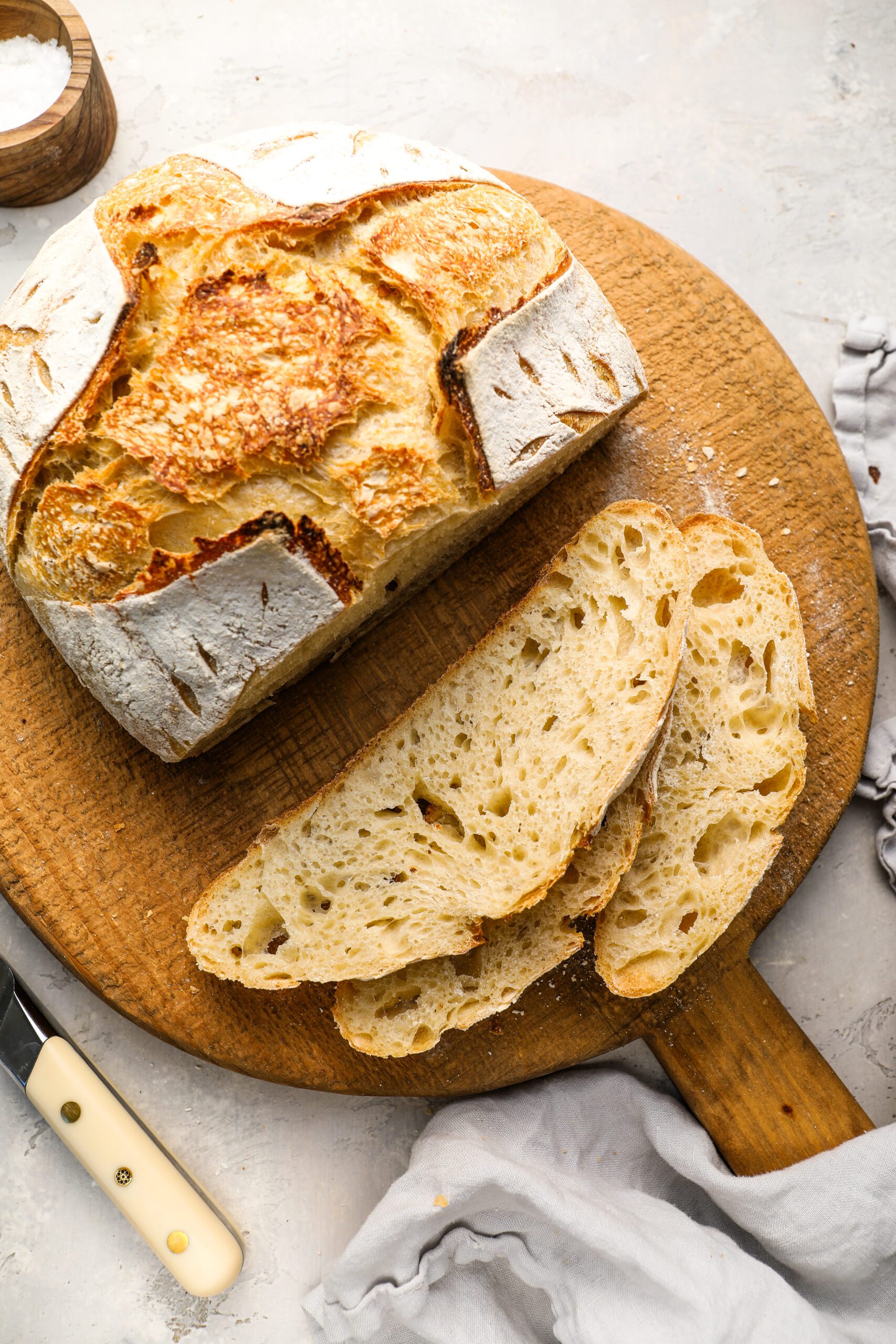
Beginner Sourdough Bread Recipe
www.onceuponachef.com · 100 min

Sourdough Starter
www.onceuponachef.com

Baked Shrimp with Feta and Grilled Sourdough
pinchofyum.com · 35 min

Pickled Strawberries
pinchofyum.com · 10 min

Mushroom Toast Recipe
www.skinnytaste.com · 15 min

Zaalouk Toasts with Burrata
pinchofyum.com · 55 min

Loaded Caprese Grilled Cheese
pinchofyum.com · 30 min

Kimchi Grilled Cheese
pinchofyum.com · 30 min

Coconut Broth Clams with Lemongrass
www.skinnytaste.com · 110 min

Red Pepper & Goat Cheese Panini
pinchofyum.com · 35 min
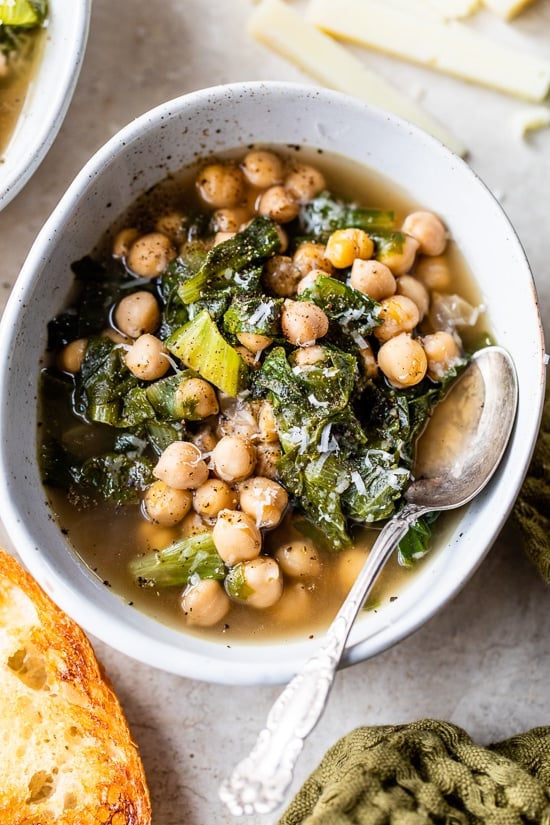
Escarole and Chickpea Soup with Garlic Toast
www.skinnytaste.com · 25 min

Portobello French Dip with Horseradish Aioli
pinchofyum.com · 45 min
Related terms
- FermentationFermentation is when yeasts or bacteria break down sugars and change food. It raises bread, sours sauerkraut and yogurt, and makes wine and miso.
- Lacto-fermentationLacto-fermentation preserves vegetables with salt and the lactic acid bacteria on them. It makes sauerkraut, kimchi and sour pickles with no vinegar.
- Bulk fermentationBulk fermentation is the first rise, when bread dough ferments in one mass before shaping. It builds flavor and strength. Here is how to judge it.
- HydrationHydration is the weight of water in a bread dough as a percent of the flour weight. Higher numbers mean a wetter dough and a more open crumb.
- PoolishA poolish is a wet pre-ferment of equal weights flour and water with a little yeast, left overnight. It gives bread a mild, nutty flavor and a crisp crust.