Cornmeal
Cornmeal is dried corn ground into a gritty meal, for cornbread, polenta and coatings. The UK often sells it as polenta, South Africa as maize meal.
Also called Polenta, Maize meal, Mealie meal, Yellow cornmeal.
Cornmeal is dried corn (maize) ground into a meal. It can be fine, medium or coarse, and yellow, white or blue, depending on the corn. It has a sweet corn flavor and a gritty, sandy texture. It is used in cornbread, muffins, polenta, grits, and as a crisp coating for fried fish and fritters. It is naturally gluten free, though not always made in a gluten-free mill.
How to do it
For soft polenta:
- Bring 1 liter (4 cups) of salted water or stock to a boil.
- Pour in 200 to 250 g (about 1⅓ to 1⅔ cups) of medium or coarse cornmeal in a thin stream, whisking all the time.
- Turn the heat to low and stir often with a wooden spoon for 30 to 45 minutes, until thick and creamy and the grains no longer feel gritty.
- Stir in butter and cheese.
For cornbread, bake the batter in a hot, greased cast-iron skillet at 220°C (425°F) for 20 to 25 minutes, until golden and a toothpick comes out clean.
How to use it
The words get confusing between countries:
- Cornmeal in the US for the gritty meal, from fine to coarse. Very finely ground cornmeal is sold in the US as corn flour.
- Polenta in the UK, Ireland, Australia and Italy for medium or coarse cornmeal, and for the dish made from it. Instant polenta is precooked and ready in about 5 minutes.
- Maize meal or mealie meal in South Africa and much of southern and eastern Africa, where it is cooked into a stiff porridge.
- Cornflour in the UK means cornstarch, which is pure starch. Do not mix them up.
Masa harina, for tortillas and tamales, is a different product. It is made from corn treated with lime by nixtamalization, and plain cornmeal will not form a dough in its place.
How to store it
Whole-grain (stone-ground) cornmeal keeps the oily germ, so it goes rancid in a few months at room temperature. Keep it in the fridge or freezer. Degermed cornmeal keeps about a year in an airtight container.
Common mistakes
- Dumping cornmeal into boiling water all at once. It forms lumps that never break down.
- Swapping fine cornmeal for coarse polenta, or the other way round, without adjusting. Fine cooks faster and sets firmer.
- Using cornstarch when an American recipe says corn flour. British cornflour is cornstarch, but American corn flour is finely ground cornmeal. They are different things.
In recipes
You will see "1 cup yellow cornmeal", "250 g quick-cook polenta" and "fine cornmeal, for dusting", used under pizza and bread to stop it sticking.
Recipes that use it
30 recipes from the sites we collect.

Lemon Chess Pie
www.onceuponachef.com · 95 min

Black Bean Soup
www.onceuponachef.com · 30 min
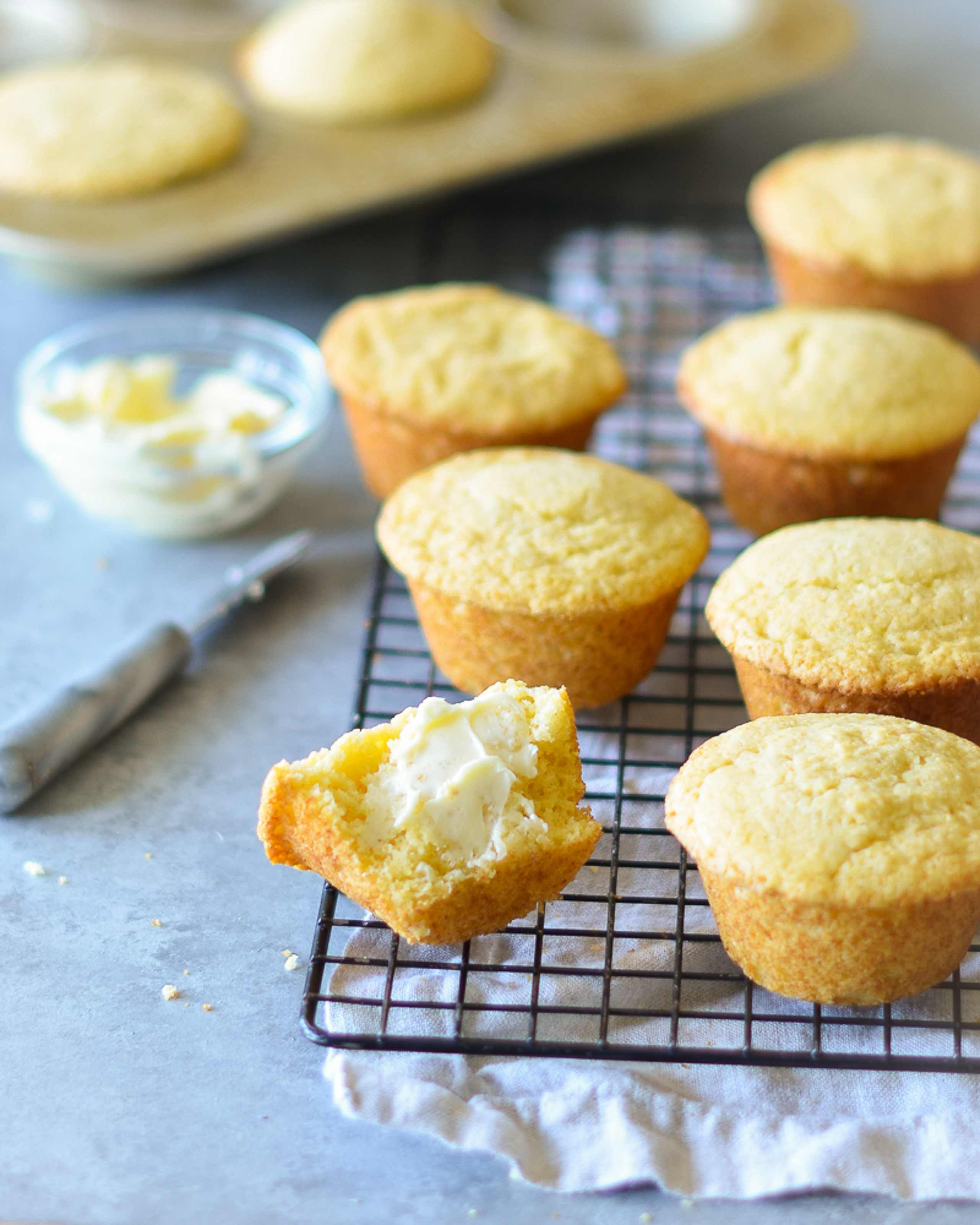
Cornbread Muffins
www.onceuponachef.com · 30 min

Classic Beef Chili
www.onceuponachef.com · 180 min

Cherry Cornmeal Upside-Down Cake
www.onceuponachef.com · 90 min

Pesto Pizza with Fresh Tomatoes & Mozzarella
www.onceuponachef.com

Cornmeal Cake (Bolo de Fubá)
www.skinnytaste.com

Homemade Artisan Bread
www.onceuponachef.com · 40 min

Margherita Pizza
www.onceuponachef.com · 30 min

Hush Puppies
www.onceuponachef.com · 25 min

Homemade Pizza Dough
www.onceuponachef.com · 20 min

Carnitas Tamale Pie
pinchofyum.com · 55 min
Related terms
- CornstarchCornstarch is the pure starch of corn, a fine white powder for thickening sauces and crisping coatings. In the UK, Ireland and Australia it is cornflour.
- NixtamalizationNixtamalization is cooking dried corn in an alkaline solution, usually lime. It loosens the hulls, adds nutrition and makes masa for tortillas and tamales.
- Gluten-freeGluten-free on a label means under 20 parts per million of gluten in the EU, UK and US. Here is what that covers and how to cook gluten-free at home.
- Cast ironCast iron is heavy iron cookware that holds heat for hard searing and turns nonstick when seasoned. Here is how to cook in it and clean it.
- FritterA fritter is a piece of food dipped in batter, or mixed into it, and deep- or shallow-fried until crisp. See the oil heat and how to avoid greasy ones.
- SkilletA skillet is a frying pan with low, sloped sides for searing, frying and sautéing. Here are the materials, sizes and how to choose the right one.