Fish allergy
A fish allergy is a reaction to proteins in finned fish such as salmon, cod and tuna. It is separate from shellfish allergy and labeled in the EU and US.
A fish allergy is a reaction of the immune system to proteins in fish with fins, such as salmon, cod, tuna, anchovy and trout. It is a different allergy from shellfish allergy: someone allergic to fish may be able to eat shrimp, and the other way around. Cooking does not remove the proteins. Some people react to only some kinds of fish, but only an allergist can tell you which, if any, are safe.
Substitutes
Fish often adds savory depth, or umami, to a dish. To replace that:
- Use kombu, a seaweed, to make a fish-free stock in place of a dashi made with bonito flakes.
- Use miso, mushrooms or a little soy sauce, if soy is safe for you.
- Use capers and olives in place of anchovies in pasta sauces and dressings.
Common mistakes
- Missing anchovies. They are in Caesar dressing, Worcestershire sauce, tapenade, many pizza toppings and some salsa verde recipes.
- Missing fish sauce, which seasons many Thai, Vietnamese and other Southeast Asian dishes and curry pastes.
- Forgetting fish stock in soups, risotto and seafood sauces, and the bonito flakes in Japanese dashi.
- Sharing frying oil, grills or pans with fish.
- Forgetting roe and caviar, surimi (imitation crab) and fish oil supplements.
In recipes
Both the EU and the US treat fish as a major allergen:
- In the EU and the UK, fish is one of the 14 allergens and must be emphasized in the ingredients list. Fish gelatin used to carry vitamins, and isinglass used to clear beer and wine, are exempt.
- In the US, fish is one of the nine major allergens, and the label must name the species, such as "cod" or "anchovy".
Shellfish are labeled separately. If you have a fish allergy, read labels every time you buy, ask restaurants how dishes are made, and talk to a doctor or dietitian about what you need to avoid.
Recipes free from it
3610 recipes from the sites we collect.
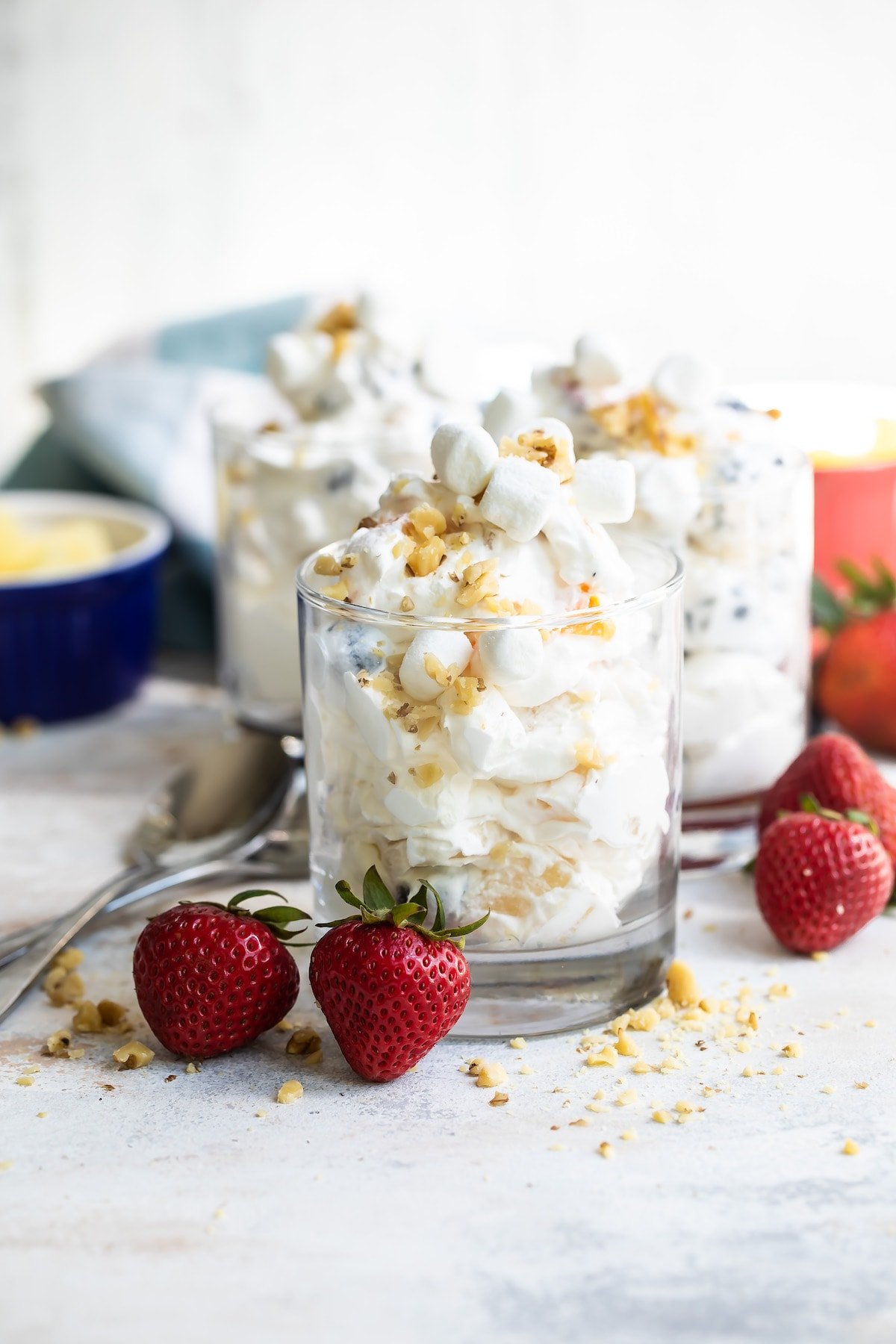
Ambrosia Salad
www.skinnytaste.com · 15 min

Hearty Vegetarian Pumpkin Chili
www.skinnytaste.com · 70 min
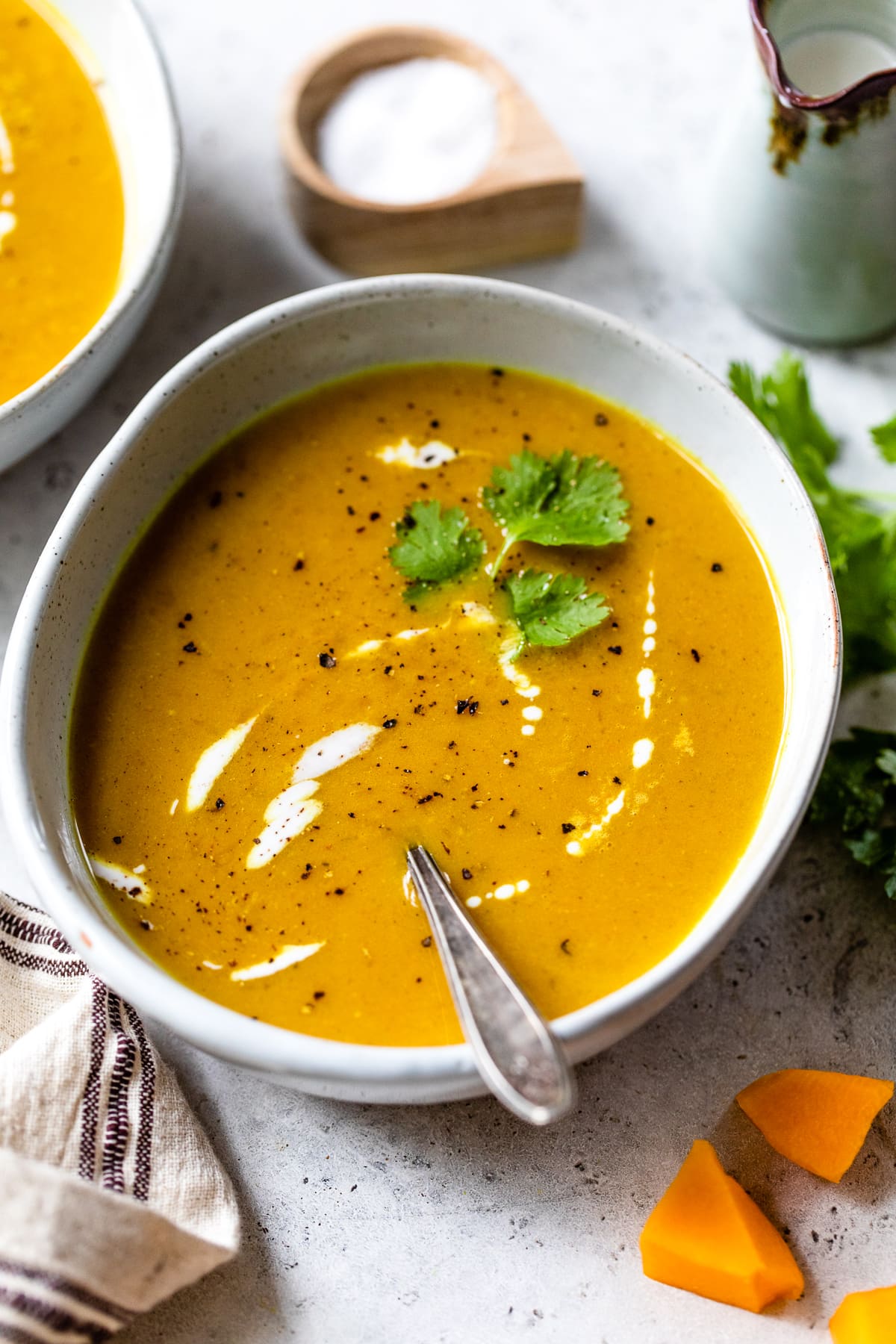
Coconut Curry Butternut Squash Soup
www.skinnytaste.com · 25 min

Italian Sub Salad
www.skinnytaste.com · 20 min

Chicken Rollatini with Spinach alla Parmigiana
www.skinnytaste.com · 45 min

Italian Sub Broccoli Salad
www.skinnytaste.com · 15 min

Chicken Club Lettuce Wrap Sandwich
www.skinnytaste.com · 10 min

BLT with Avocado
www.skinnytaste.com · 10 min

Yogurt Panna Cotta with Macerated Berries
www.skinnytaste.com · 385 min

Green Pea Soup Recipe with Fresh Herbs
www.skinnytaste.com · 15 min
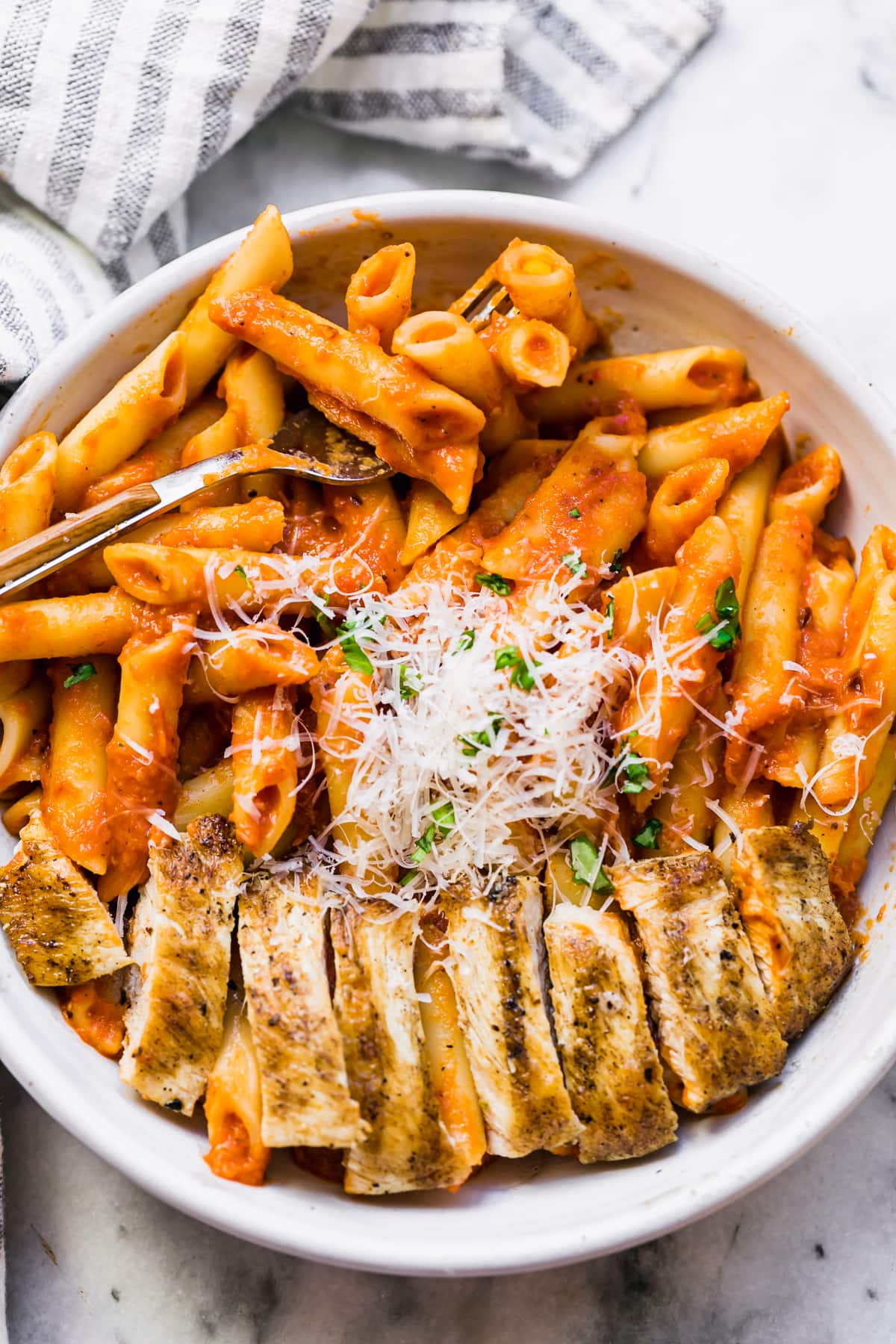
Penne alla Vodka with Chicken
www.skinnytaste.com · 60 min
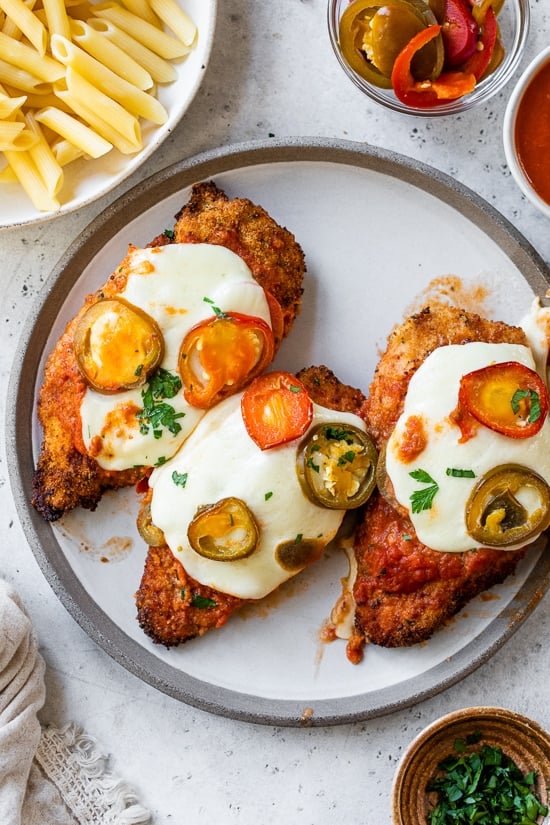
Spicy Vodka Chicken Parmesan
www.skinnytaste.com · 30 min
Related terms
- CrustaceansCrustaceans are shellfish with jointed shells, such as shrimp, crab, lobster and crayfish. They are a major allergen in both the EU and the US.
- MollusksMollusks are soft-bodied shellfish such as mussels, clams, oysters, squid and octopus. They are an EU allergen but not a major allergen in the US.
- AnchovyAnchovies are small salt-cured fish that melt into sauces and add deep savory flavor without tasting fishy. How to use, swap and store them.
- Fish sauceFish sauce is a salty, savory liquid made from fermented anchovies. It seasons Thai and Vietnamese food and adds depth to dressings and stews.
- DashiDashi is the light Japanese stock made from kombu and bonito flakes. It is the base of miso soup and many sauces, and takes under 30 minutes to make.
- KombuKombu is dried kelp, the seaweed behind Japanese dashi. It adds savory depth to stocks, beans and rice. How to soak it, cook it and swap it.