Grate
To grate is to rub food against a grater to turn it into fine shreds or a powder, as with cheese, carrots, ginger, garlic, nutmeg or citrus zest.
Also called Grated, Grating.
To grate means to rub food over a grater, a tool with small sharp holes or teeth, so it breaks into thin shreds or fine crumbs. Cooks grate cheese, carrots, potatoes, ginger, garlic, chocolate, nutmeg and citrus peel. The size of the holes decides whether you get coarse strands or a fluffy powder.
How to do it
- Pick the grater. A box grater has coarse holes for cheese and vegetables and smaller ones for hard cheese. A rasp-style microplane gives the finest result.
- Stand a box grater on a board or plate. Hold a rasp grater at an angle over the bowl.
- Hold the food firmly and press it against the grater with even pressure.
- Grate in one direction, usually downward, rather than back and forth.
- Stop when the piece gets small. Use the last bit in a soup or snack on it.
For a lot of cheese or vegetables, use the grating disk of a food processor.
How to use it
- Hard cheese such as Parmesan: finest holes or a rasp, for a fluffy pile that melts into hot pasta.
- Semi-hard cheese such as cheddar: coarse holes, for sauces and toppings. Chill it first so it does not smear.
- Carrots and zucchini (courgettes in the UK): coarse holes, for salads, fritters and cakes. Squeeze zucchini dry before using.
- Fresh ginger and garlic: a rasp, for a juicy paste. A thumb of ginger grates fastest from frozen.
- Nutmeg: a rasp, just before using.
Common mistakes
- Grating your knuckles. Stop when the piece is too small to hold safely.
- Grating soft cheese at room temperature. It clumps and smears. Chill it for 20 minutes first.
- Grating cheese far ahead. It dries out and loses flavor. Pre-grated cheese sold in bags also has starch added to stop it clumping, which can make sauces grainy.
- Using the coarse side when the recipe needs fine. Finely grated cheese melts into a sauce, coarse shreds may not.
In recipes
"Grated" usually means the fine side of the grater. "Shredded", as in "shredded cheddar", usually means the coarse side; see shred. "Grated zest" means only the colored outer layer of the peel, taken off with a rasp. See zest.
Recipes that use this technique
38 recipes from the sites we collect.
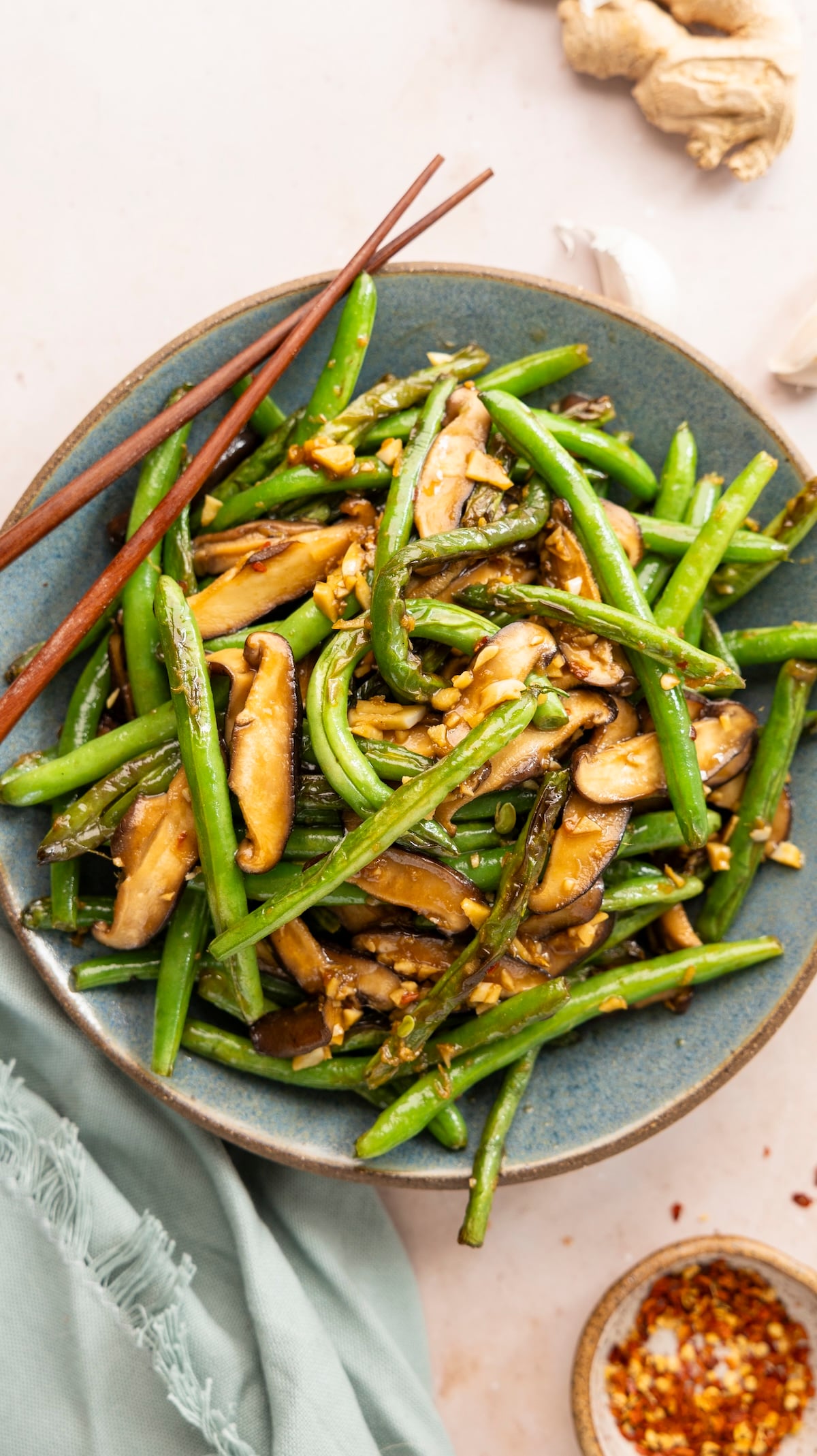
Szechuan Green Beans & Shiitake Mushrooms
www.onceuponachef.com · 30 min
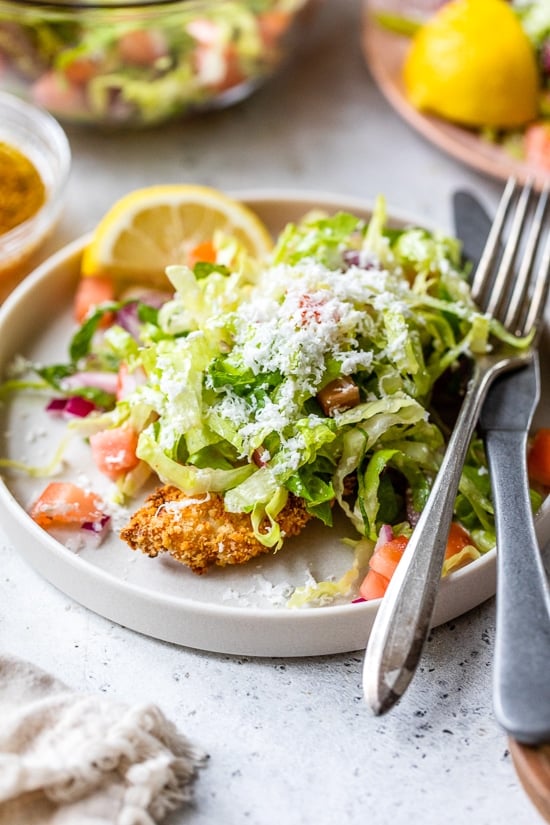
Air Fryer Chicken Milanese with Mediterranean Salad
www.skinnytaste.com · 30 min
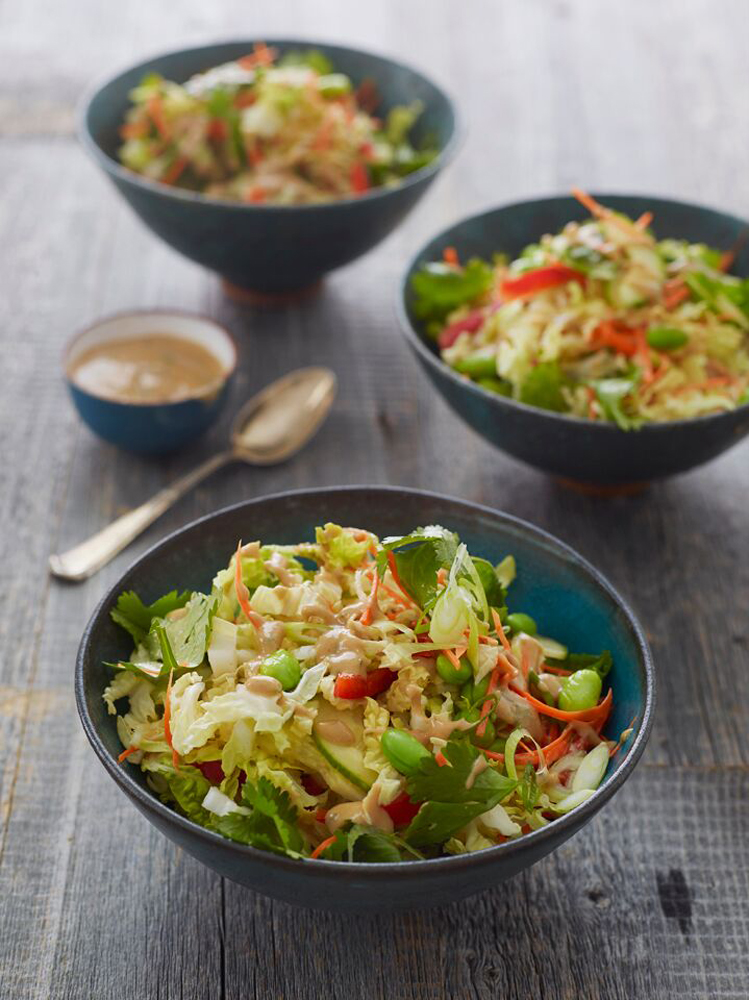
Thai Crunch Salad with Peanut Dressing
www.onceuponachef.com · 30 min

Pimento Cheese
www.onceuponachef.com · 15 min

DIY Natural Food Dye
minimalistbaker.com · 5 min

How to Make Cauliflower Rice
minimalistbaker.com · 5 min
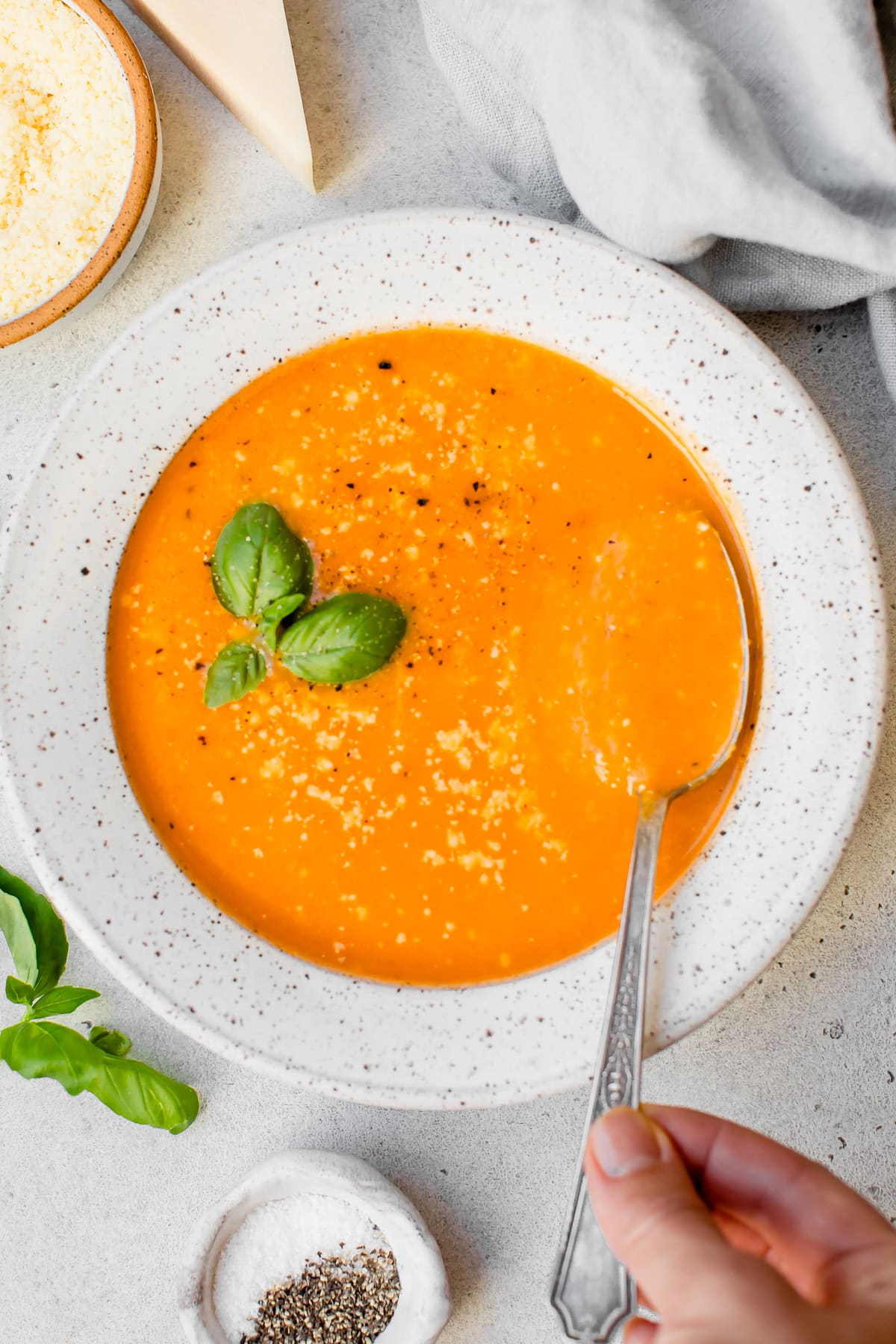
Tomato Bisque
www.skinnytaste.com · 70 min

Carrot Cake Coffee Cake
pinchofyum.com · 55 min

15 Minute Cauliflower Fried Rice
pinchofyum.com · 15 min

Vegan Gluten-Free Morning Glory Muffins
minimalistbaker.com · 35 min

Pumpkin Gnocchi with Sage Butter Sauce
pinchofyum.com · 35 min

6-Ingredient Vegan Tzatziki
minimalistbaker.com · 10 min
Related terms
- ShredTo shred is to cut, grate or pull food into long, thin strips, as with cabbage for slaw, cheese on a coarse grater or slow-cooked meat pulled with forks.
- ZestZest is the thin, colored outer layer of citrus peel, full of fragrant oils. To zest a lemon is to scrape off that layer and leave the bitter pith.
- MicroplaneA microplane is a long, fine rasp grater for citrus zest, hard cheese, garlic, ginger and nutmeg. Here is how to use one well.
- Food processorA food processor is an electric machine with a spinning blade and discs that chops, purees, slices and mixes dough in seconds. Here is how to use one well.
- Thumb of gingerA thumb of ginger is a piece of fresh ginger root about the size of your thumb, roughly 5 cm long and 15 to 25 g. Here is how to peel and use it.