Heavy cream
Heavy cream is rich cream with at least 36 percent fat that whips well and can boil without curdling. Here are its UK, Swedish and Australian names.
Also called Heavy whipping cream, Double cream, Vispgrädde, Thickened cream.
Heavy cream is the fat-rich part of milk that rises to the top. In the US it must have at least 36 percent milk fat. That much fat lets it whip into stable peaks, and lets you boil and reduce it into sauces without it curdling. It is used in whipped cream, ganache, ice cream, pan sauces, gratins and soups.
How to do it
To whip it:
- Chill the cream, the bowl and the whisk. Cold cream whips faster and holds better.
- Whisk by hand or with a mixer on medium-high speed.
- Stop at soft peaks, about 2 to 4 minutes with a mixer, for folding into desserts. Go a little further for piping.
- Add sugar near the end, about 1 tablespoon per 240 ml (1 cup).
One cup of liquid cream makes about 2 cups whipped.
Why it works
When you whisk cold cream, the fat droplets partly break open and stick together around the air bubbles, building a network that holds its shape. The more fat, the stronger that network. Fat also protects the milk proteins from heat and acid, which is why heavy cream can boil with wine or lemon while lighter creams split.
How to use it
The names and fat levels change by country:
- Heavy cream or heavy whipping cream in the US, at least 36 percent fat.
- Double cream in the UK and Ireland, about 48 percent fat. It is richer than heavy cream and whips faster, so whip it more gently. UK whipping cream, about 35 to 40 percent, is the closer match.
- Vispgrädde in Sweden, usually 36 to 40 percent. Use it one for one.
- Thickened cream in Australia, about 35 percent with a small amount of thickener added. It whips well. Australian pure cream has no thickener.
Substitutes
- Whipping cream works in most recipes, with slightly softer whipped cream.
- For cooking, not whipping, use 3 parts whole milk to 1 part melted butter, or thicken half-and-half with a little cornstarch.
How to store it
Keep it in the coldest part of the fridge and use it within about a week of opening. It can be frozen for cooking, but will not whip well after thawing.
Common mistakes
- Overwhipping. The cream turns grainy, then separates into butter. If it just starts to look grainy, fold in a splash of liquid cream.
- Swapping light cream in a sauce that boils. It curdles.
In recipes
You will see "1 cup heavy cream", "300 ml double cream" and "2 dl vispgrädde".
Recipes that use it
155 recipes from the sites we collect.

Pavlova
www.onceuponachef.com · 120 min
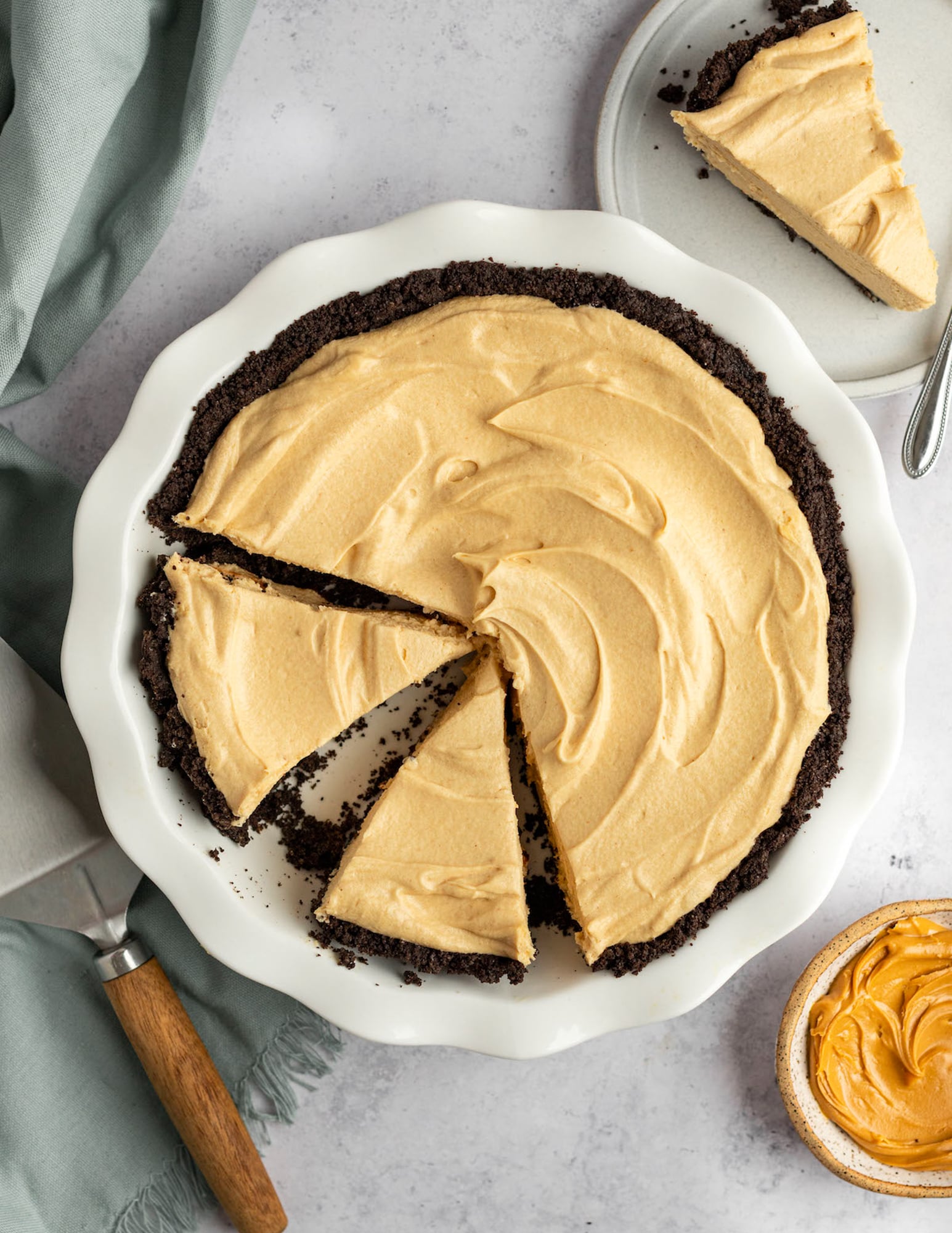
Peanut Butter Pie
www.onceuponachef.com · 45 min

Chocolate Chip Scones
www.onceuponachef.com · 30 min

Summer Berry Trifle
www.onceuponachef.com · 25 min

Shakshuka (Poached Eggs in Spicy Tomato Sauce)
www.onceuponachef.com · 50 min

Churros
www.onceuponachef.com · 45 min
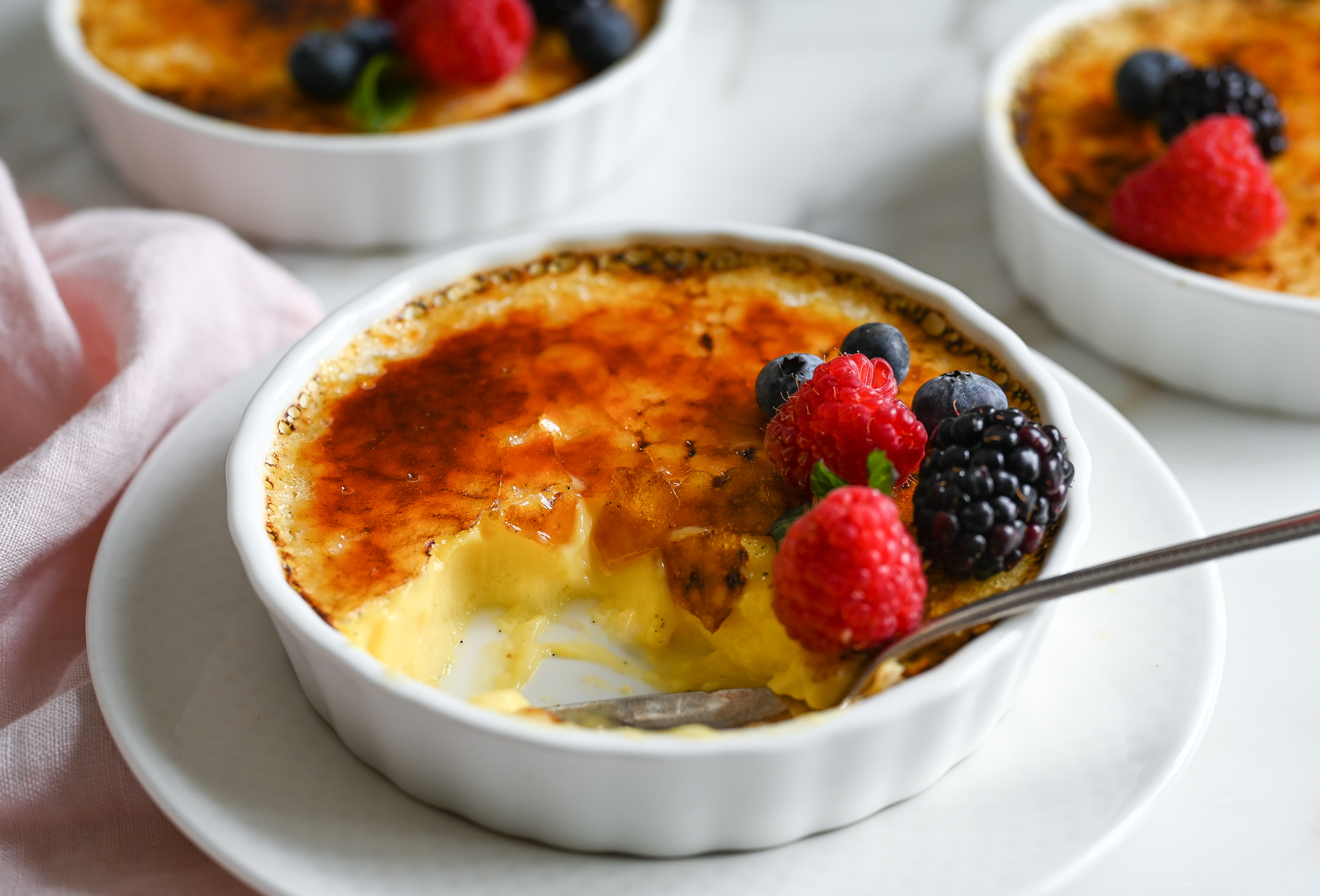
Crème Brûlée
www.onceuponachef.com · 60 min

No-Churn Vietnamese Coffee Ice Cream
www.onceuponachef.com · 10 min

Profiteroles
www.onceuponachef.com · 70 min
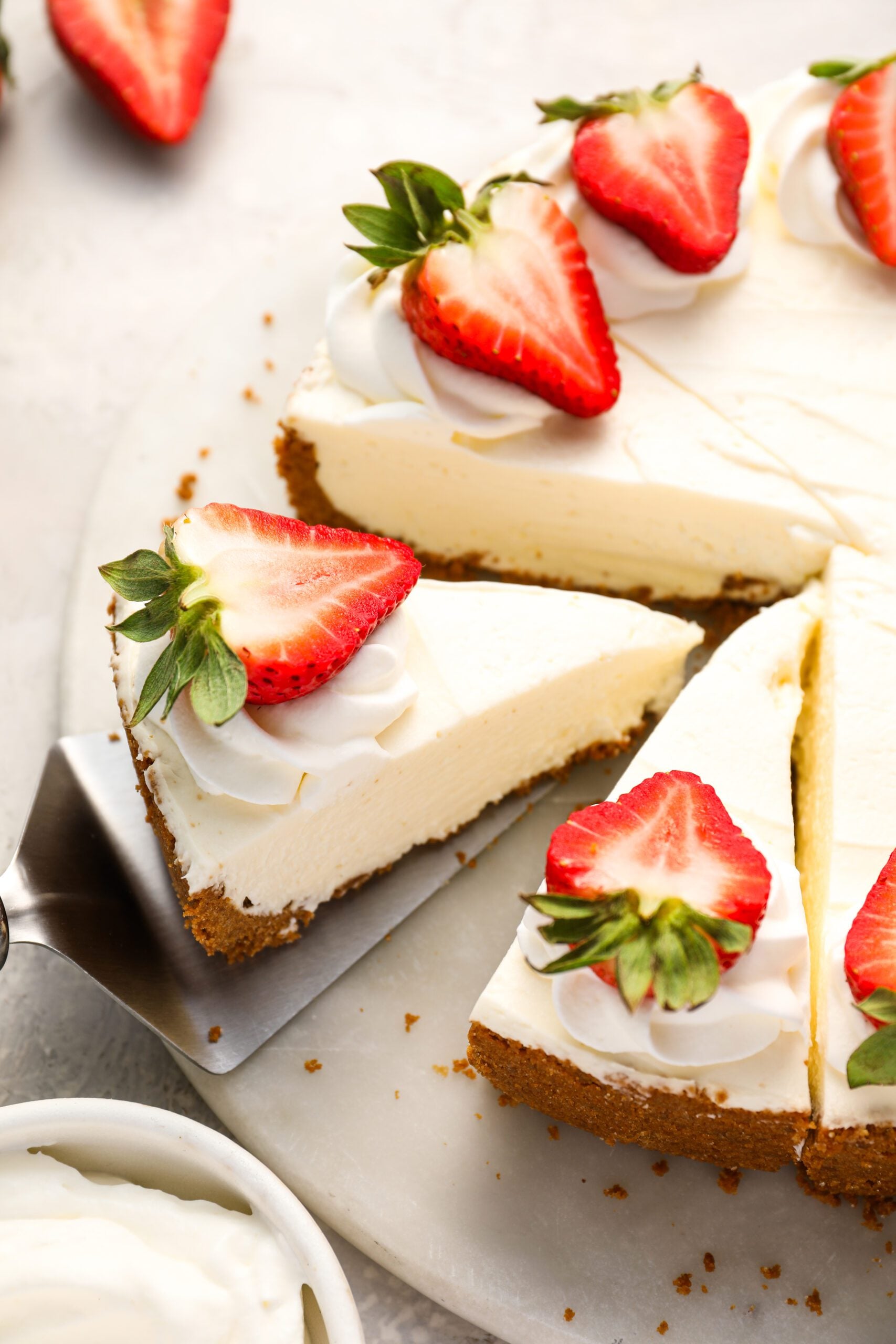
No-Bake Cheesecake
www.onceuponachef.com · 30 min

Chocolate Macarons
www.onceuponachef.com · 60 min

Chocolate Ganache
www.onceuponachef.com · 10 min
Related terms
- Whipping creamWhipping cream has about 30 to 36 percent fat in the US, enough to whip into soft, light peaks. Here is how it differs from heavy and double cream.
- Light creamLight cream is a pourable cream with about 18 to 30 percent fat, for coffee and finishing sauces. In the UK it is single cream. It will not whip.
- Half-and-halfHalf-and-half is a mix of whole milk and cream, about 10 to 18 percent fat, sold in the US and Canada. Here is what to use where you cannot buy it.
- Soft peaksSoft peaks are when whipped cream or egg whites form peaks that droop over at the tip. Here is how to spot the stage and why so many recipes stop there.
- GanacheGanache is chocolate melted into hot cream. Change the ratio and it becomes a glaze, a whipped frosting or firm truffles. Here are the ratios to use.
- ReduceTo reduce is to simmer or boil a liquid uncovered so water evaporates, leaving a smaller amount that is thicker and more intense in flavor.