Meringue
Meringue is egg whites whipped with sugar into a glossy foam, baked crisp or used soft on pies. Here are the French, Swiss and Italian methods and fixes.
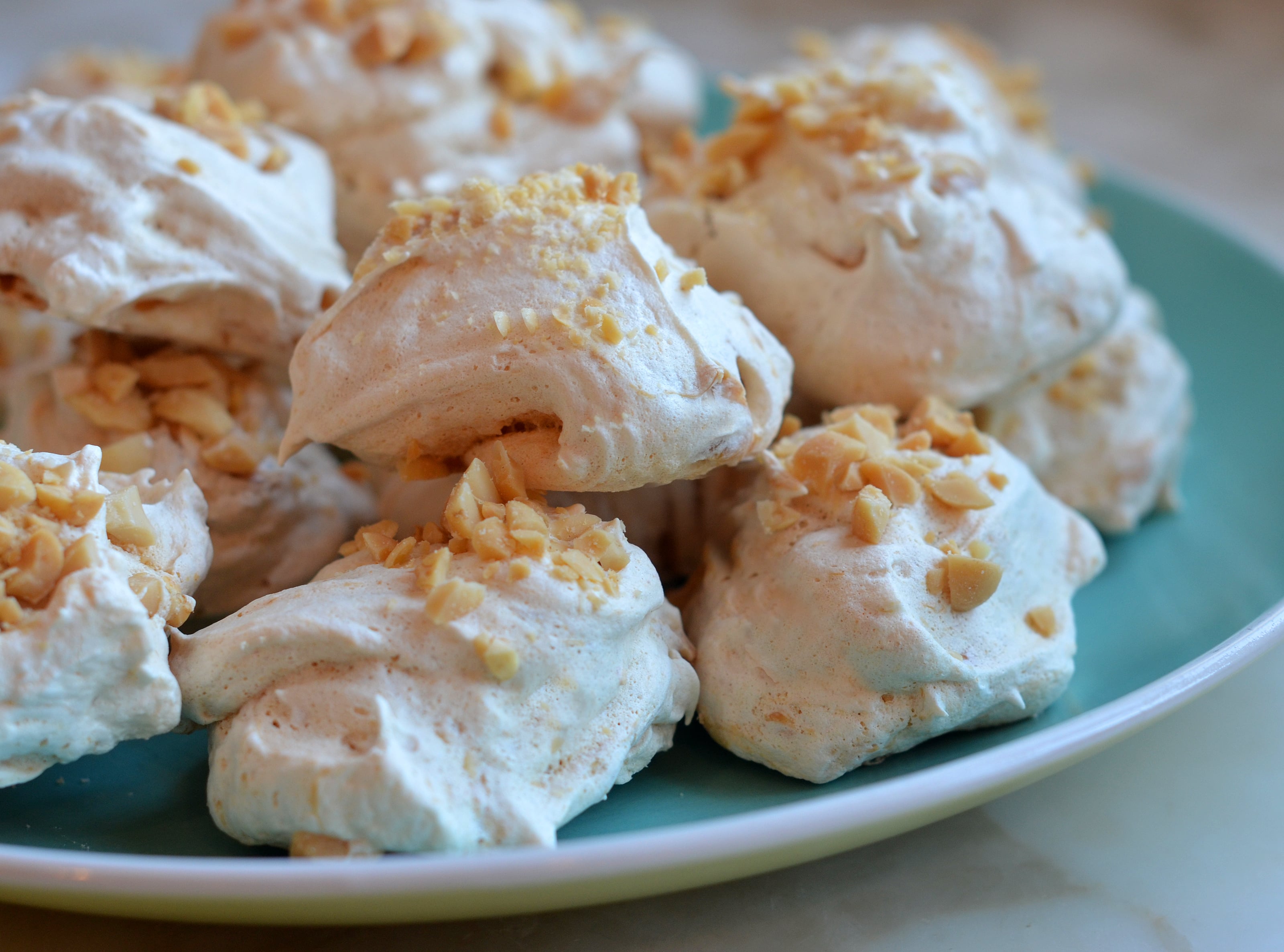
Meringue is a foam of egg whites and sugar whipped until thick and glossy. You can bake it slowly until crisp for pavlova and meringue cookies, spread it soft on lemon pie and toast it, or fold it into mousses and soufflés. There are three main kinds: French, Swiss and Italian.
How to do it
French meringue, the simplest:
- Use a spotless glass or metal bowl. Wipe it with a little lemon juice or vinegar to remove any grease.
- Whip 4 egg whites on medium speed until foamy.
- Add ¼ teaspoon cream of tartar or a few drops of lemon juice, if you have it.
- When the whites reach soft peaks, add 200 g (1 cup) superfine sugar (caster sugar in the UK), one spoonful at a time.
- Whip on high until the meringue is thick, glossy and at stiff peaks.
- Bake at 100 to 120°C (210 to 250°F) for 1 to 2 hours, depending on size, then cool in the turned-off oven.
For Swiss meringue, warm the whites and sugar over simmering water to 70°C (160°F), stirring, then whip until cool. For Italian, pour sugar syrup heated to 118°C (245°F) into whipping whites.
How to tell it is done
Rub a little between your fingers. It should feel smooth, not gritty. The meringue stands in stiff, shiny peaks. Baked meringues lift cleanly off the paper and sound hollow when tapped.
Why it works
Whipping unfolds the proteins in egg white so they wrap around air bubbles. Sugar dissolves into the thin film around each bubble and makes it thicker and more stable. Acid strengthens the proteins further. Heat in the oven or from hot syrup sets the foam.
How to store it
Store crisp meringues in an airtight container for up to 2 weeks. Do not refrigerate them, as they turn soft.
Common mistakes
- Any fat in the bowl or a trace of yolk. The whites will not foam.
- Adding sugar too early or too fast. You get a runny, low foam.
- Undissolved sugar. Baked meringues weep sticky beads of syrup.
- Baking too hot. They brown and crack instead of staying white and crisp.
- Making meringue on a humid day. It soaks up moisture and turns sticky.
Meringue recipes
16 recipes from the sites we collect.


Related terms
- Stiff peaksStiff peaks are when whipped egg whites or cream stand straight up off the whisk without bending. Here is how to reach the stage without overwhipping.
- Soft peaksSoft peaks are when whipped cream or egg whites form peaks that droop over at the tip. Here is how to spot the stage and why so many recipes stop there.
- WhipTo whip is to beat cream or egg whites fast to fill them with air until they thicken and hold peaks. Here is how to get there without overwhipping.
- Superfine sugarSuperfine sugar is white sugar with very fine crystals that dissolve fast, ideal for meringues and sponges. In the UK it is called caster sugar.
- PipeTo pipe is to squeeze frosting, cream, batter or dough through a bag and nozzle to make neat shapes. Here is how to fill the bag, hold it and press evenly.
- FoldTo fold is to combine a light mix, like whipped cream or egg whites, into a heavier one without losing air. It also means stretching dough in bread making.