Mustard allergy
A mustard allergy is a reaction to mustard seeds, powder, oil or prepared mustard. It is one of the EU 14 allergens but not a major allergen in the US.
A mustard allergy is a reaction of the immune system to proteins in mustard seeds. It covers whole and ground seeds, mustard powder, prepared mustard and mustard oil. Reactions can be severe. In the EU and the UK mustard is one of the 14 allergens, so it is easy to spot on European labels and harder to spot elsewhere.
Substitutes
- To hold a dressing together: honey, a little miso, or a spoon of yogurt if those are safe for you. Whisk the oil in slowly to help it emulsify.
- For tang: a little extra vinegar or lemon juice.
- For heat: a pinch of chili flakes or black pepper.
Horseradish and wasabi come from the same plant family as mustard, and some people with a mustard allergy react to them, or to related vegetables. Ask your doctor or a dietitian which swaps are safe for you.
Common mistakes
- Missing mustard in vinaigrette, mayonnaise, rémoulade and many salad dressings.
- Forgetting mustard seed in pickles, relishes, chutneys and pickling spice.
- Missing it in curry powders and Indian spice mixes, sausages, marinades, barbecue sauces and some ketchups.
- Expecting a US label to warn you. Mustard is not one of the US major allergens. It is listed by name when it is an ingredient, but mustard seed can be covered by the word "spices".
- Cooking with mustard oil without realizing it. It is common in Bengali, Punjabi and other South Asian cooking.
In recipes
Mustard is often a background ingredient rather than the main flavor. A spoon of mustard helps oil and vinegar stay mixed, adds sharpness to sauces and glazes, and goes into rubs for meat. Whole mustard seeds are fried in hot oil at the start of many Indian dishes. In the EU and the UK, prepacked food must emphasize mustard in the ingredients list, and restaurants must be able to tell you if a dish contains it.
If you have a mustard allergy, read the label every time you buy sauces, dressings and spice mixes, ask in restaurants, and talk to a doctor about a plan for eating out.
Recipes free from it
3468 recipes from the sites we collect.

Mushroom Toast Recipe
www.skinnytaste.com · 15 min

Chicken Gnocchi Soup Recipe
www.skinnytaste.com · 45 min
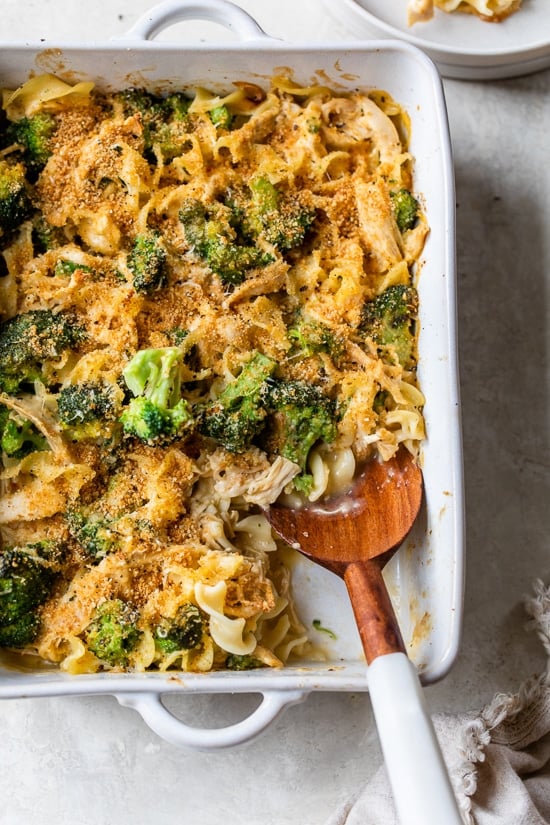
Chicken and Broccoli Noodle Casserole
www.skinnytaste.com · 50 min

Roasted Red Pepper Soup Recipe
www.skinnytaste.com · 55 min

Instant Pot Bolognese
www.skinnytaste.com · 60 min

Lentil Bolognese Recipe
www.skinnytaste.com · 70 min

Wild Mushroom and Farro Soup
www.skinnytaste.com · 75 min

Ranch Popcorn
www.skinnytaste.com · 15 min

Chicken Thighs with Shallots in Red Wine Vinegar (Poulet Au Vinaigre)
www.skinnytaste.com · 40 min

Baked Chicken Thighs with Brussels Sprouts and Sweet Potato
www.skinnytaste.com · 70 min

Chicken Thighs with Artichoke Hearts and Feta Cheese
www.skinnytaste.com · 30 min

Crock Pot Pork Roast with Mushrooms and Polenta
www.skinnytaste.com · 500 min
Related terms
- EU 14 allergensThe EU 14 allergens are the foods that EU and UK law says must be emphasized on food labels and declared by restaurants, from gluten to lupin.
- US major allergensThe US major food allergens are nine foods that must be named on US labels, from milk, eggs and peanuts to wheat, soy and, since 2023, sesame.
- Celery allergyA celery allergy is a reaction to celery stalks, leaves, seeds or celeriac. It is one of the EU 14 allergens but not a major allergen in the US.
- VinaigretteVinaigrette is a dressing of oil and vinegar, usually three parts oil to one part acid, with salt and mustard. It dresses salads, vegetables and grains.
- MayonnaiseMayonnaise is a thick, cold sauce made by whisking oil into egg yolk with lemon or vinegar. It takes five minutes by hand and is the base of many dips.
- PickleTo pickle is to preserve food in an acidic liquid, either vinegar or a salty brine that ferments. Quick fridge pickles are ready in an hour or less.