Parchment paper
Parchment paper is silicone-coated, heat-resistant paper that stops food sticking to pans. Here is how to line a pan and how it differs from wax paper.
Also called Baking paper, Baking parchment.
Parchment paper is paper treated with a thin silicone coating, which makes it nonstick, grease-resistant and safe in a hot oven. You use it to line pans so cakes and cookies come out clean, and you can fold it into a pouch to cook fish en papillote. In the UK it is called baking paper or baking parchment.
How to use it
To line a round cake pan:
- Set the pan on a sheet of paper and draw around the base.
- Cut just inside the line so the circle fits flat in the bottom.
- Grease the pan lightly. The grease holds the paper in place.
- For the sides, cut a strip a little taller than the pan and press it against the greased wall.
For a sheet pan or loaf pan, cut a piece that hangs over two sides. To make paper lie flat, crumple it into a ball first, then open it out.
Other jobs for it:
- Fill with dried beans or rice to blind bake a pastry case.
- Roll sticky dough between two sheets.
- Cover a braise as a cartouche, a paper lid laid on the surface to slow evaporation.
- Make a small piping cone for writing with melted chocolate.
Substitutes
A silicone baking mat works for flat trays. For greasing a cake pan without paper, butter it and dust with flour. Foil works for some jobs, but food sticks to it unless it is greased.
Common mistakes
- Using wax paper in the oven. The wax melts and can smoke. Wax paper is for wrapping and for the counter, not for baking.
- Going above the heat on the box. Many papers are rated to about 220 to 230°C (425 to 450°F). Above that the edges darken and can burn.
- Letting paper hang near the heating element or broiler (grill in the UK).
- Mixing it up with greaseproof paper in recipes from the UK. Greaseproof paper has no silicone coat, so it can stick to cakes and usually needs greasing.
In recipes
"Line with parchment" means cover the base, and sometimes the sides, of a pan with paper so the food releases easily.
Recipes made with it
447 recipes from the sites we collect.

Air Fryer Salmon Patties
www.skinnytaste.com · 25 min

Coconut Macaroons
www.skinnytaste.com · 80 min

Almond Cake
www.skinnytaste.com · 60 min
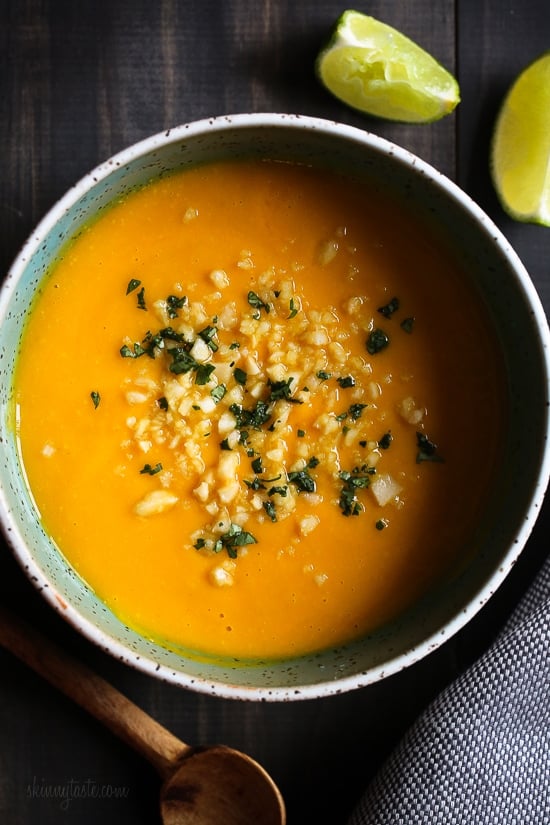
Turmeric Roasted Sweet Potato and Macadamia Soup
www.skinnytaste.com · 80 min

Chicken Club Lettuce Wrap Sandwich
www.skinnytaste.com · 10 min
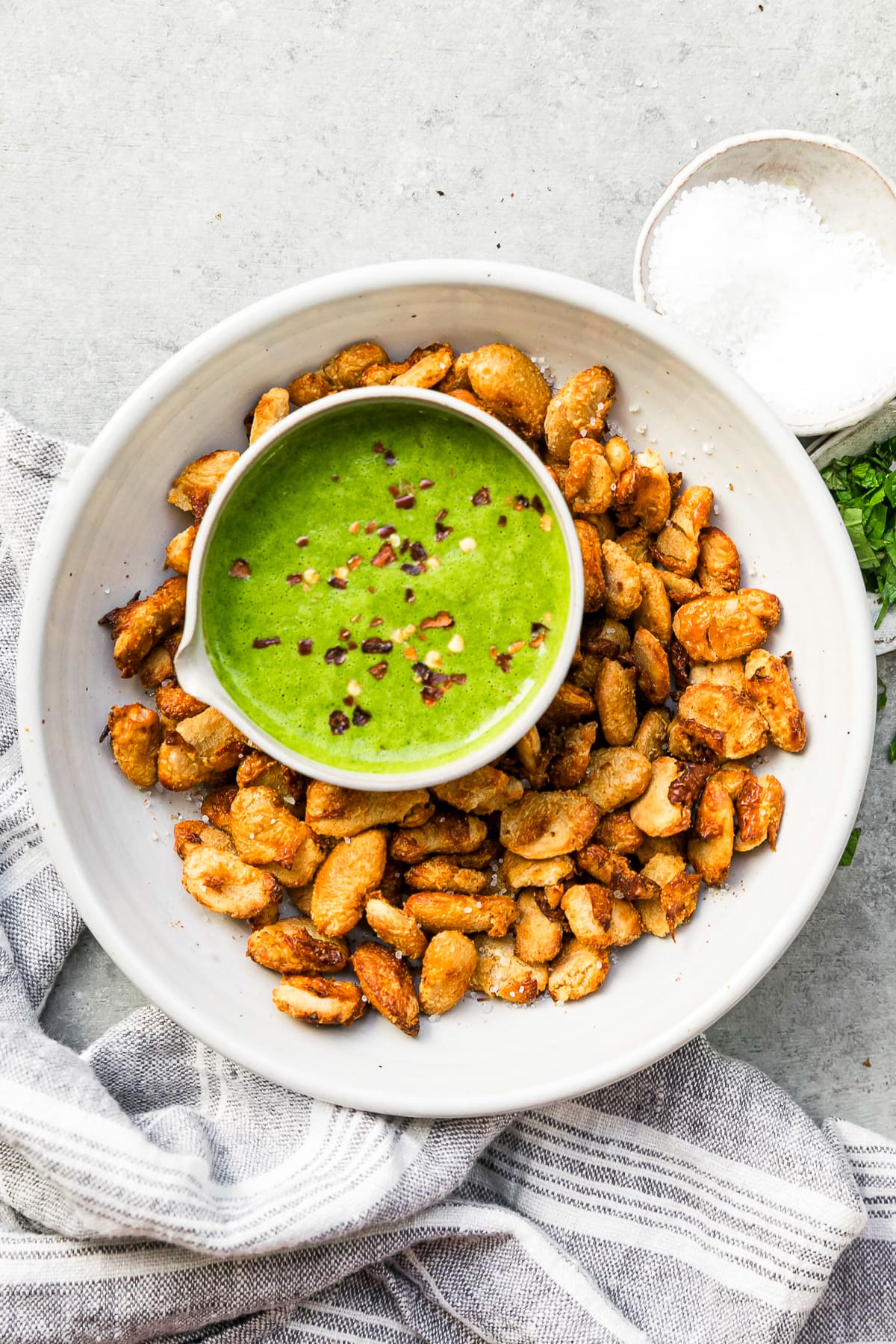
Crispy Butter Beans (Air Fryer or Oven)
www.skinnytaste.com · 20 min

Low Fat Irish Soda Bread
www.skinnytaste.com · 55 min

Chicken Piccata Recipe
www.skinnytaste.com · 20 min

Mustard & Herb Crusted Chicken Breasts
www.skinnytaste.com · 20 min

Pumpkin Roll
www.skinnytaste.com · 95 min

Slow Roasted Salmon Recipe
www.skinnytaste.com · 55 min

Snowman Chocolate Bark
www.skinnytaste.com · 45 min
Related terms
- Silicone baking matA silicone baking mat is a reusable nonstick sheet that lines baking trays in place of parchment paper. Here is what it does well, and when not to use it.
- Sheet panA sheet pan is a flat, rimmed metal baking tray for cookies, roasted vegetables and one-pan dinners. Here are the common sizes and how to use one well.
- En papilloteEn papillote means cooking food sealed in a parcel of parchment paper or foil, so it steams in its own juices. It is a gentle, quick way to cook fish.
- Blind bakeBlind baking is baking a pie or tart crust before the filling goes in, using weights to stop it puffing up. It keeps the base crisp, not soggy.
- Loaf panA loaf pan is a deep rectangular pan for sandwich bread, banana bread and pound cake. Here are the common sizes and how to swap one for another.