Silicone baking mat
A silicone baking mat is a reusable nonstick sheet that lines baking trays in place of parchment paper. Here is what it does well, and when not to use it.
Also called Silicone mat, Baking mat, Silicone liner.
A silicone baking mat is a thin, flexible sheet of food-grade silicone, usually with a layer of fiberglass mesh inside. You lay it on a sheet pan to stop food sticking. It replaces parchment paper for many jobs and lasts for years, so it cuts down on waste. Nothing sticks to it, not even caramel or melted sugar.
How to use it
- Lay it flat on a cool, rimmed sheet pan of the same size. It should not hang over the edges.
- Do not grease it. Food releases on its own.
- Bake as usual. Most mats are rated to about 250°C (480°F). Check the label for yours.
- Let cookies cool for a few minutes before moving them, then lift with a thin spatula.
Good jobs for it:
- Cookies, which spread evenly and brown less on the bottom.
- Meringue and macarons, which release cleanly.
- Pouring hot caramel, brittle or tempered chocolate to set.
- Kneading and rolling sticky dough on the counter.
- Some mats have printed circles that help you pipe shapes of the same size.
How to store it
Wash it in warm soapy water with a soft sponge and rinse well, since soap can leave a film. Dry it fully. Store it flat or loosely rolled, never folded or creased, which can crack the fiberglass inside.
Common mistakes
- Cutting on it with a knife or pizza cutter. A cut through the silicone exposes the fiberglass, and the mat should then be thrown out.
- Using it for crisp roasted vegetables. It browns less than a bare pan, so they stay softer.
- Putting it under the broiler (grill in the UK) or on a hot stovetop. Direct heat can damage it.
- Using one smaller or larger than the tray, so it curls up at the edges.
- Expecting the same dark, crisp bottom as on parchment. Bake a little longer if you want that.
- Scrubbing with an abrasive pad. It wears off the surface and food starts to stick.
In recipes
"Line a baking sheet with parchment or a silicone mat" means either will do. For recipes that need a very crisp, browned base, parchment or a bare greased pan gives better results.
Recipes made with it
11 recipes from the sites we collect.

Low Fat Irish Soda Bread
www.skinnytaste.com · 55 min

Cacio e Pepe Cheese Crisps
www.skinnytaste.com · 30 min
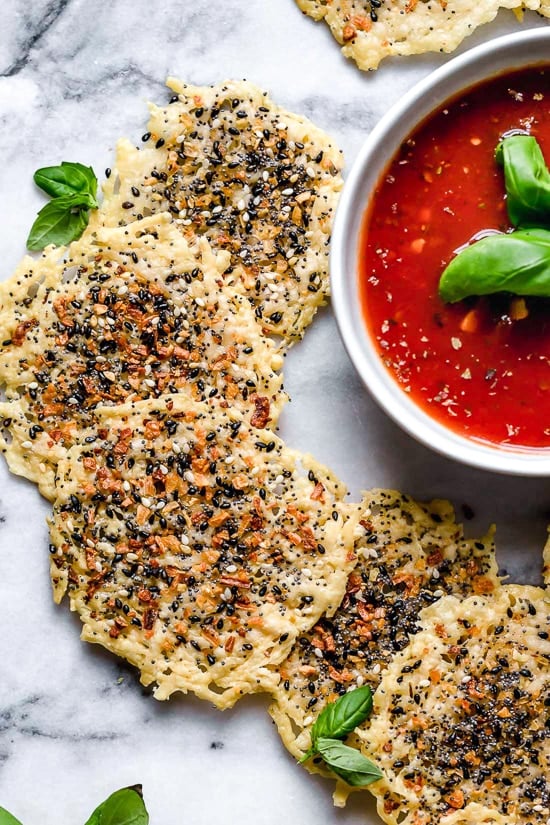
Everything Parmesan Crisps
www.skinnytaste.com · 30 min

Pumpkin Spice Quinoa Breakfast Cookies
www.skinnytaste.com · 75 min

Mummy Hot Dog Recipe
www.skinnytaste.com · 52 min
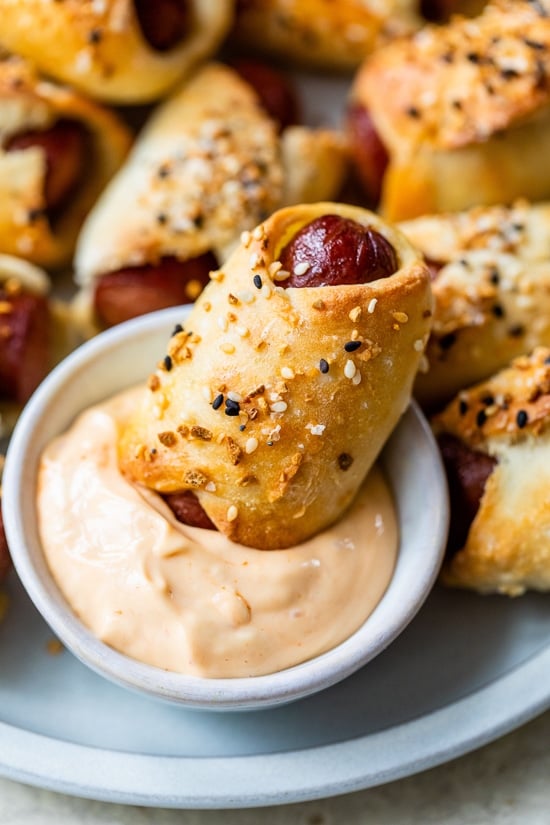
Everything Bagel Pigs in a Blanket
www.skinnytaste.com · 55 min

Caramelized Onion Empanadas (Chilean PEQUENES)
www.skinnytaste.com · 75 min
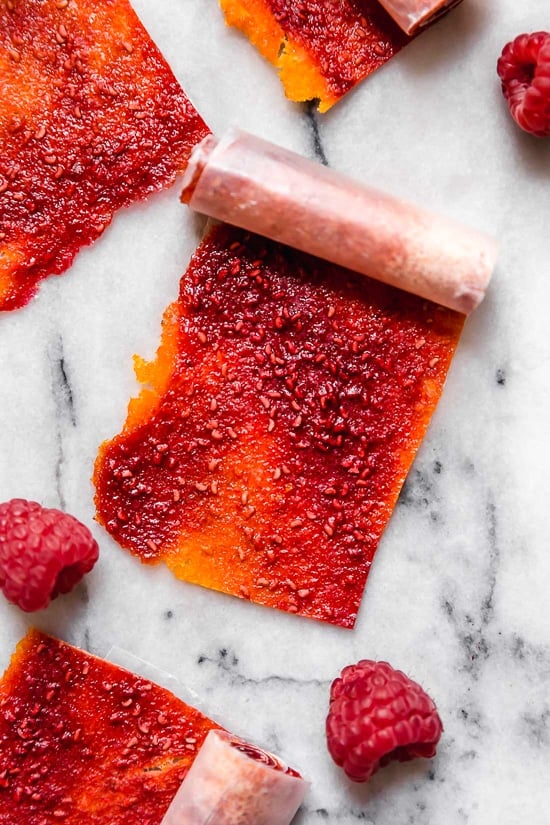
Mango-Raspberry Fruit Roll Ups
www.skinnytaste.com · 155 min

Pumpkin Cookie Dough Pops
minimalistbaker.com · 120 min

Pumpkin Scones with Maple and Molasses Glaze
minimalistbaker.com · 30 min

Chocolate Chip Banana Bread Bites
minimalistbaker.com · 35 min
Related terms
- Parchment paperParchment paper is silicone-coated, heat-resistant paper that stops food sticking to pans. Here is how to line a pan and how it differs from wax paper.
- Sheet panA sheet pan is a flat, rimmed metal baking tray for cookies, roasted vegetables and one-pan dinners. Here are the common sizes and how to use one well.
- MeringueMeringue is egg whites whipped with sugar into a glossy foam, baked crisp or used soft on pies. Here are the French, Swiss and Italian methods and fixes.
- PipeTo pipe is to squeeze frosting, cream, batter or dough through a bag and nozzle to make neat shapes. Here is how to fill the bag, hold it and press evenly.
- Temper chocolateTempering chocolate is melting and cooling it to set temperatures so it sets glossy and snaps cleanly. Here are the temperatures for dark, milk and white.