Peanuts
Peanuts are legumes, not tree nuts, and a common cause of severe allergic reactions. EU, UK and US law all require them to be labeled.
Also called Groundnuts, Peanut allergy, Monkey nuts, Arachis.
Peanuts (groundnuts or monkey nuts in the UK) grow underground and are legumes, related to beans, peas and soy, not to nuts that grow on trees. A peanut allergy is one of the most common food allergies and a frequent cause of severe reactions. Tiny amounts can cause a reaction in some people, and cooking does not make peanuts safe. A doctor should diagnose a peanut allergy and give you a plan.
Substitutes
- Peanut butter: sunflower seed butter or another seed butter, if seeds are safe for you.
- Satay and peanut sauces: a sauce of coconut milk, sunflower seed butter, lime, soy sauce and chili.
- Crunch on top of a dish: toasted pumpkin or sunflower seeds, or crisp-fried shallots.
People with a peanut allergy may or may not also react to tree nuts, and some react to lupin, a related legume. Ask an allergist which foods you can eat.
Common mistakes
- Missing peanuts in satay, Thai and Indonesian curries and salads, West African groundnut stew, Chinese stir-fries such as kung pao chicken, Mexican mole, chili, granola, cookies and chocolate.
- Missing peanut oil. The UK name on labels is arachis oil.
- Sharing utensils, boards, jars of spread or frying oil with peanut foods. Cross-contamination is a real risk.
- Cleaning hands with sanitizer gel alone. Wash hands and surfaces with soap and water, which removes peanut protein.
In recipes
Peanuts are labeled in both the EU and the US, with one difference worth knowing:
- In the EU and the UK, peanuts are one of the 14 allergens. Peanut oil must be labeled, however refined it is.
- In the US, peanuts are one of the nine major allergens. Highly refined peanut oil is exempt from allergen labeling. Cold-pressed, expelled or extruded peanut oil is not.
"May contain peanuts" and "made in a factory that handles peanuts" are voluntary statements in both places. A product without one is not guaranteed to be peanut-free.
If you have a peanut allergy, read labels every time you buy, tell restaurant staff clearly, and talk to your doctor about what to do if you eat peanut by accident.
Recipes free from it
3678 recipes from the sites we collect.

Italian Sub Salad
www.skinnytaste.com · 20 min

Chicken Rollatini with Spinach alla Parmigiana
www.skinnytaste.com · 45 min

Italian Sub Broccoli Salad
www.skinnytaste.com · 15 min

Chicken Club Lettuce Wrap Sandwich
www.skinnytaste.com · 10 min

BLT with Avocado
www.skinnytaste.com · 10 min

Yogurt Panna Cotta with Macerated Berries
www.skinnytaste.com · 385 min

Green Pea Soup Recipe with Fresh Herbs
www.skinnytaste.com · 15 min
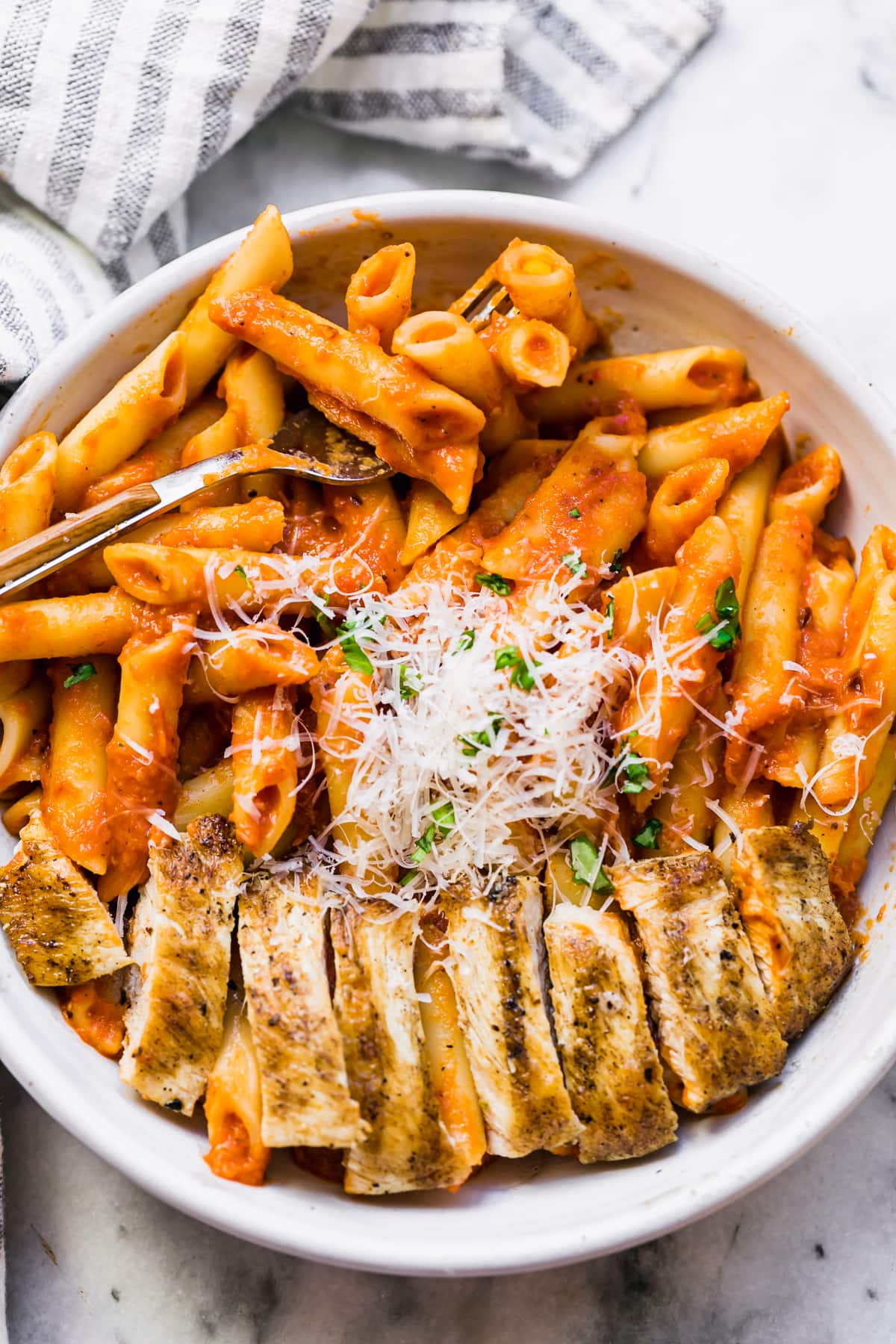
Penne alla Vodka with Chicken
www.skinnytaste.com · 60 min
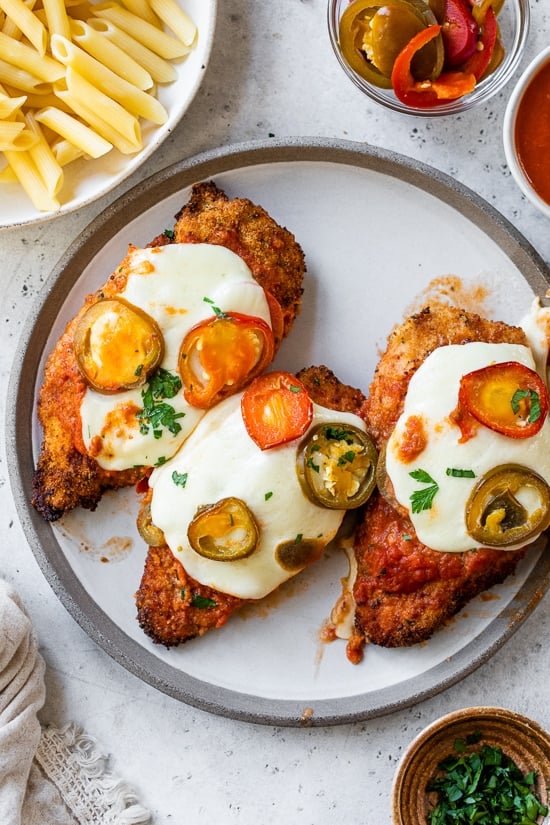
Spicy Vodka Chicken Parmesan
www.skinnytaste.com · 30 min

Baked Honey-Mustard Ham
www.skinnytaste.com · 135 min

Lemon Poppy Seed Cupcakes
www.skinnytaste.com · 50 min

Easter Egg Cake Pops
www.skinnytaste.com · 120 min
Related terms
- Tree nutsTree nuts include almonds, walnuts, cashews and hazelnuts. The EU and the US define the group differently, so their labels can name different nuts.
- LupinLupin is a legume whose seeds and flour turn up in some European breads, pastries and gluten-free foods. It is one of the EU 14 allergens.
- Cross-contaminationCross-contamination is when germs or allergens spread from one food, surface or hand to another. Separate raw meat, and wash hands, boards and knives.
- EU 14 allergensThe EU 14 allergens are the foods that EU and UK law says must be emphasized on food labels and declared by restaurants, from gluten to lupin.
- US major allergensThe US major food allergens are nine foods that must be named on US labels, from milk, eggs and peanuts to wheat, soy and, since 2023, sesame.