Pressure-cook
Pressure-cooking cooks food in a sealed pot where trapped steam raises the boiling point to about 120°C (250°F), cutting cooking times by half or more.
Also called Pressure cooking, Pressure-cooked.
To pressure-cook is to cook food in a sealed pot, a pressure cooker, that traps steam. The pressure raises the boiling point of water from 100°C (212°F) to about 115 to 121°C (240 to 250°F). Food cooks much faster at that heat: dried beans in under an hour without soaking, tough cuts of beef in about an hour, and stock in less time than on the stove. Stovetop and electric multi-cookers both work this way.
How to do it
- Brown meat or soften aromatics first, using the pot on the stove or the sauté setting.
- Add at least the minimum liquid your cooker's manual asks for, often 250 ml (1 cup). It needs water to make steam.
- Never fill more than two thirds full, or half full for beans, grains and other foods that foam.
- Lock the lid, set the valve to sealing, and bring it up to pressure.
- Cook for the time in your recipe, counted from when it reaches pressure.
- Release the pressure: natural release (wait for the pin to drop, 10 to 30 minutes) for meat, beans and foamy foods; quick release (open the valve) for vegetables and delicate food.
- Open the lid away from you only when the pressure is fully down.
How to tell it is done
Check the food after releasing. Meat should be fork-tender, beans creamy all the way through. If not, lock the lid and cook a few minutes more.
Why it works
Water boils at a higher temperature under pressure, and food cooks faster in hotter water and steam. The sealed pot also loses almost no liquid, so you need less of it than for a braise on the stove.
Common mistakes
- Too little liquid. The cooker shows a burn warning or scorches the bottom.
- Overfilling. Foam can block the valve.
- Thickening before cooking. Flour and cornstarch can stick and scorch. Thicken after.
- Quick release with beans or soup. Hot liquid can spray out of the valve.
- Using it for canning when it is not rated for that. Pressure canning needs a canner tested to hold a known pressure.
Recipes that use this technique
103 recipes from the sites we collect.

Instant Pot Kidney Beans (Fast, Tender, No Soaking!)
minimalistbaker.com · 63 min

Braised Cubed Steak with Peppers and Olives Recipe (Instant Pot, Slow Cooker and Stove-Top)
www.skinnytaste.com · 40 min

Honey Teriyaki Drumsticks
www.skinnytaste.com · 55 min

Pressure Cooker Stewed Chicken with Corn (Pollo Guisado con Maiz)
www.skinnytaste.com · 30 min

Instant Pot Chipotle Chicken Bowls with Cilantro Lime Quinoa
www.skinnytaste.com · 35 min

Instant Pot Chicken Cacciatore
www.skinnytaste.com · 45 min
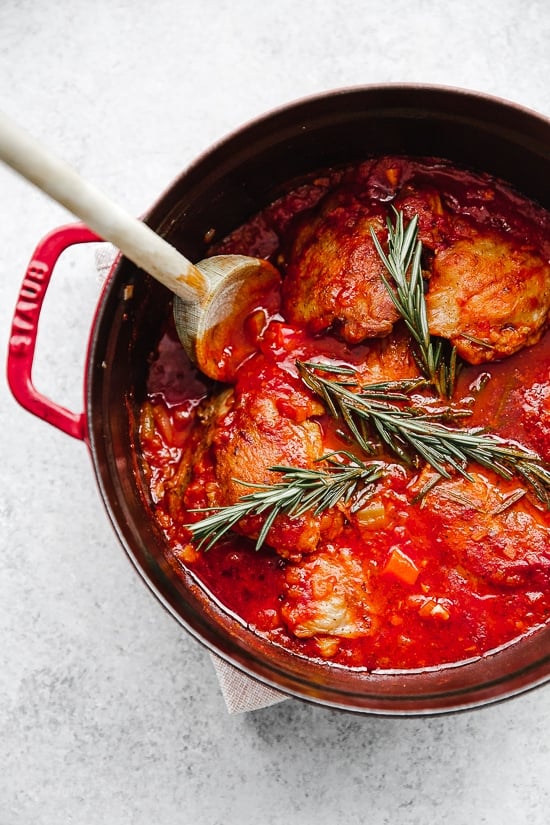
Pollo in Potacchio (Braised Chicken with Tomatoes and Rosemary)
www.skinnytaste.com · 100 min

Instant Pot Brown Rice (Perfect Every Time!)
minimalistbaker.com · 28 min

Instant Pot Millet (Fast, Fluffy, Perfect!)
minimalistbaker.com · 28 min

Buffalo Chicken Egg Rolls
www.skinnytaste.com · 45 min

Instant Pot Quinoa (Fluffy, Perfect, No Soaking!)
minimalistbaker.com · 21 min

Instant Pot Black Eyed Peas (Fast, Perfect, No Soaking!)
minimalistbaker.com · 33 min
Related terms
- Pressure cookerA pressure cooker is a sealed pot that traps steam and cooks above boiling point, so beans, stews and stock are done in a fraction of the time.
- BraiseBraising browns meat, then cooks it slowly, covered, in a small amount of liquid until tough cuts turn tender and the liquid becomes a rich sauce.
- Slow-cookSlow-cooking simmers food for hours at a low, steady heat, usually in an electric slow cooker or low oven, until tough meat and dried beans turn tender.
- SteamSteaming cooks food over, not in, boiling water, using the hot vapor that rises from it. Vegetables, fish and dumplings stay tender, moist and bright.
- Pressure canningPressure canning heats sealed jars to about 116°C (240°F) under steam pressure. It is the only safe home method for low-acid foods such as vegetables.